At first glance, Destin and Sanibel Island could pass for the same category of trip: a famous Florida Gulf Coast beach with warm water, white sand, and a laid-back pace. Look closer and they're nearly opposite experiences. Destin is a full-scale beach resort destination with 26 miles of sugar-white quartz sand, emerald-green water that belongs on a screensaver, active watersports, a harbor full of charter boats, and enough restaurants to eat somewhere different every night for a week. Sanibel is a barrier island with no chain hotels, no buildings taller than the tallest palm tree, a National Wildlife Refuge occupying a third of its land mass, and beaches so loaded with shells that locals have named the posture of searching for them u2014 the "Sanibel Stoop."
Both are genuinely excellent Gulf Coast destinations. But they're built for different travelers, different moods, and different kinds of trips. This guide breaks down what each actually delivers u2014 beaches, water, activities, cost, logistics u2014 so you can decide which is right for yours.
The Beaches: Emerald Gulf vs. World-Class Shelling Shores
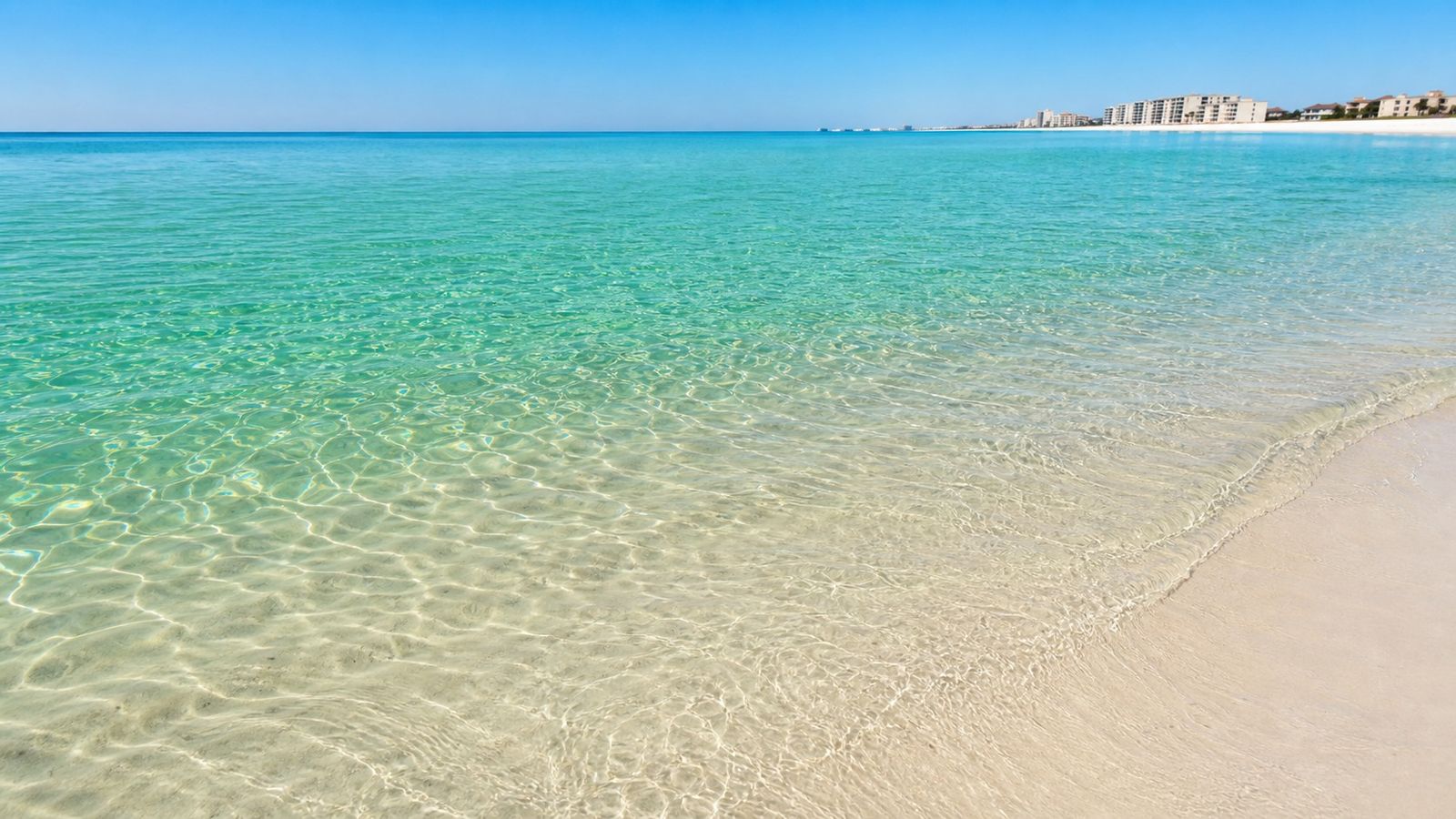
Destin's beaches are built around one thing: the water. The quartz sand u2014 geologically unusual on the Gulf coast, ground down from the Appalachian Mountains and deposited here over thousands of years u2014 is blindingly white and so fine it squeaks underfoot. Combined with the shallow offshore shelf and a clear, calm Gulf, the result is that distinctive emerald-to-turquoise color that shows up on every Destin photo. Miles of maintained, lifeguarded public beach stretch from Crystal Beach through Henderson Beach State Park. Public beach access points line US-98, and HarborWalk Village provides free beach access for visitors. The beach is wide, flat, and deep enough to accommodate the summer crowds without feeling impossibly packed on either side.
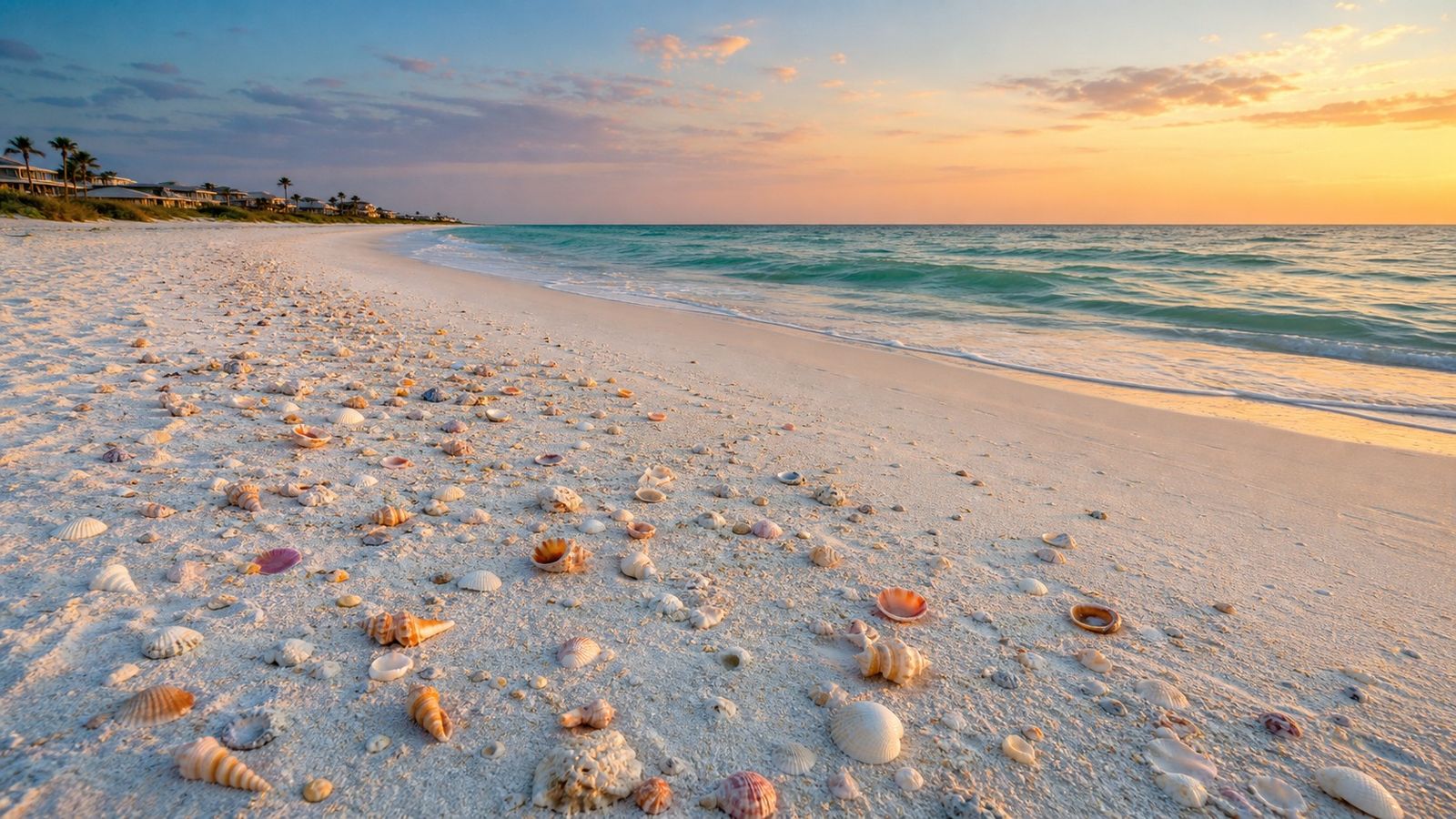
Sanibel's beach is built around discovery. The island's orientation u2014 running east-west perpendicular to the Florida coast rather than parallel u2014 means it acts as a natural trap for shells washing in from across the Gulf. More than 250 species of shells wash up on Sanibel's beaches regularly, including prized lightning whelks, junonia volutes (rare enough that local papers publish photos of people who find them), and horse conchs. Bowman's Beach at the west end of the island has the best shelling concentration. Gulfside City Park and Lighthouse Beach are more accessible. The beach itself is narrower than Destin's, with a mix of sand and shell debris, and the Gulf here isn't the same electric emerald u2014 it's clear and pleasant but affected by proximity to Charlotte Harbor and the Caloosahatchee River, which drain nutrient-rich freshwater into Lee County coastal waters. After rain events, visibility can drop significantly.
- Destin beach width and maintenance: Wide, regularly groomed by county services, easily accessible from vacation rentals along US-98 and Miramar Beach. Multiple public restrooms, beach chair rental operations, food vendors.
- Sanibel shelling windows: The best shelling happens at low tide, especially on mornings following stormy nights offshore. The incoming tide deposits fresh material; low tide exposes what's been left. Arrive at the beach at sunrise with a mesh bag and join dozens of like-minded people already hunched over in what the locals call the "Sanibel Stoop."
- Crowds on the beach: Destin is significantly more crowded in summer u2014 July beach sections near public access points can feel shoulder-to-shoulder. Sanibel is busy December through April (snowbird season) but quieter in summer. Post-Hurricane Ian, Sanibel's tourist volume was reduced for two years while the island rebuilt; by 2026 the island has largely recovered but some renovation projects remain ongoing.
- Verdict: For swimming, sunbathing, and classic beach vacation feel, Destin's beaches are superior. For shelling, wildlife observation, and a quieter, more natural beach experience, Sanibel wins without contest.
Swimming, Water Clarity, and Beach Safety
Water clarity is where Destin's reputation is most deserved and most distinctive. On a clean, calm day u2014 which describes most of May through October u2014 you can see the bottom clearly in 8 to 10 feet of water. Offshore in 30u201340 feet of water, visibility often exceeds 30 feet. The white quartz sand reflects light rather than absorbing it, amplifying the emerald and turquoise color range that photographers come specifically to capture. The Gulf at Destin is warm from late April through early November, peaking at 82u201384u00b0F in July and August, dropping to the mid-60su00b0F by January.
Sanibel's Gulf water is warm year-round u2014 the southwestern Florida location means even January water temperatures stay in the mid-60su00b0F, with summer highs similar to Destin's. But the clarity is generally less dramatic. Sanibel faces the Gulf on its south shore and is near the outflow zone of the Caloosahatchee River and Charlotte Harbor, which introduce tannin-stained freshwater and particulate matter during rain events. On most days, Sanibel's water is clear and pleasant for swimming; after heavy rain, it can turn murky for days. The shelling beaches also tend to have more debris u2014 broken shell fragments, sea grass wrack u2014 on the shoreline than Destin's maintained beaches.
- Destin beach flag system: Okaloosa County flies colored flags at beach access points indicating water safety conditions. Green and blue are typical in calm summer weather. Yellow (high hazard, swim with caution) and red (dangerous surf/rip currents) occur with approaching storms or strong offshore winds. Rip currents are the primary hazard u2014 swim in front of lifeguard stations when flags are anything other than green or blue.
- Sanibel water safety: The island's orientation provides some protection from open Gulf swells. Calusa Pass and the shallower bay-side waters around Sanibel are extremely calm and popular for kayaking and family swimming. Gulf-side swimming is safe on most days with standard rip current awareness.
- Jellyfish: Both destinations have seasonal jellyfish u2014 cannonball jellyfish and moon jellyfish are common in summer and fall. Destin's jellyfish season generally runs August through October. Sanibel sees similar patterns, with man-o-war sightings possible after strong onshore winds.
- Water temperature by season: Destin Gulf temps peak in July-August at 83u00b0F and drop to 57u201362u00b0F in winter u2014 too cold for most casual swimming December through February. Sanibel's water is consistently warmer in winter, staying in the mid-60su00b0F even in January, which partly explains its popularity with snowbirds. Neither is a warm-water winter destination for swimming without a wetsuit.
- Verdict on water: Destin wins on clarity and color u2014 there's nothing on the Gulf Coast that looks quite like it. Sanibel's water is comfortable and pleasant but not visually dramatic. If water clarity is a deciding factor, Destin is the easy choice.
Activities, Dining, and Nightlife: Two Very Different Vibes
This is the sharpest difference between the two destinations. Destin is an activity-dense resort town. Sanibel is intentionally quiet. Neither is bad u2014 they serve fundamentally different travel moods.
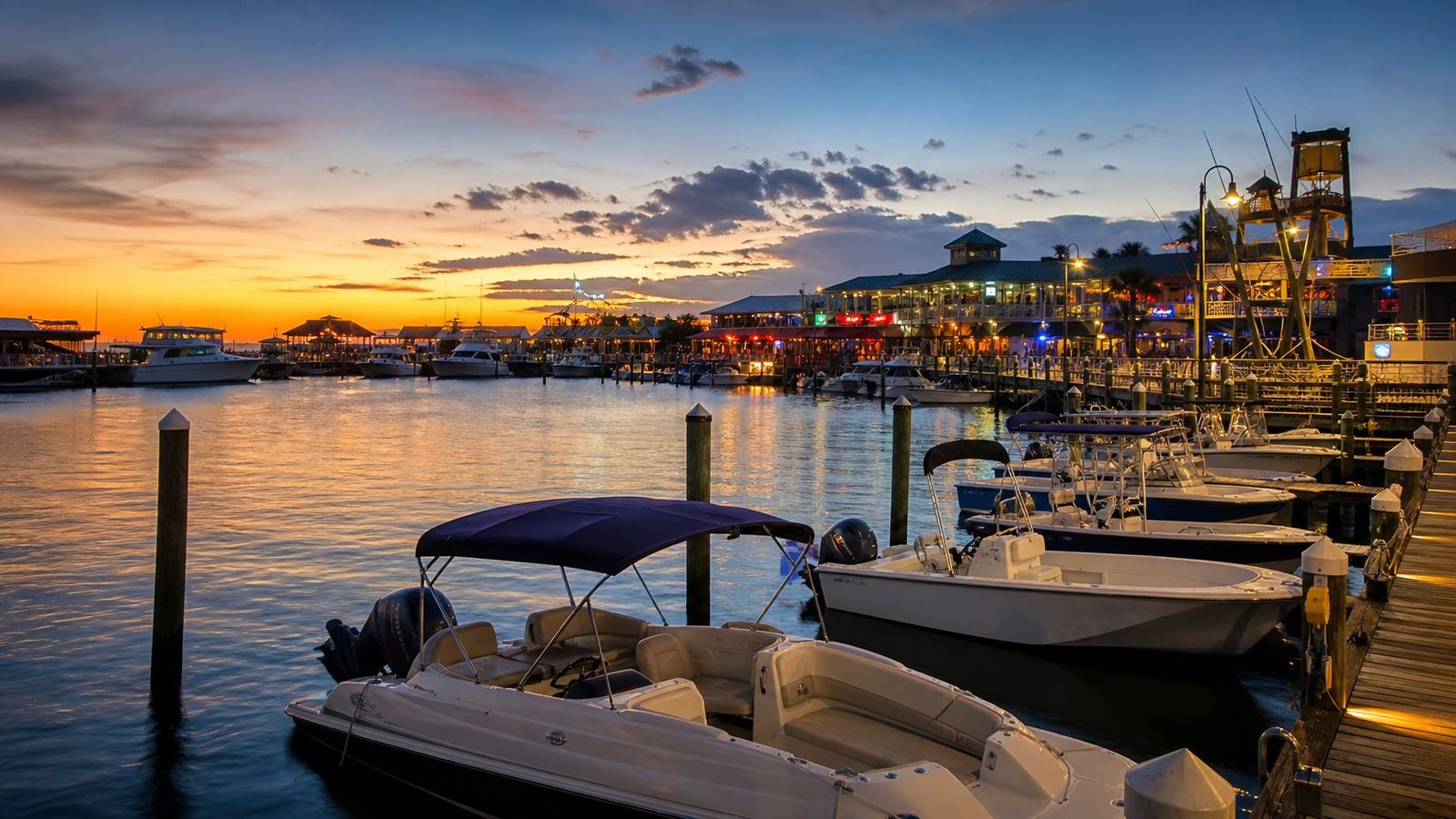
In Destin, on any given summer day you can: rent a pontoon boat and anchor at Crab Island, go parasailing above the Gulf, take a dolphin cruise at sunset, join a deep-sea fishing charter, explore Baytowne Wharf's outdoor shopping and entertainment district, catch live music at HarborWalk Village, and end the night at one of dozens of beach bars. The watersport options alone are extraordinary u2014 parasailing, jet skis, kayaking, paddleboards, flyboards, boat rentals, snorkeling charters, scuba diving. The dining scene has more than 100 restaurants with genuine variety: fresh grouper sandwich shacks, upscale waterfront dining at The Back Porch and Harbor Docks, world-class seafood, good breakfast spots, everything in between.
In Sanibel, the activity list is much shorter and much quieter. Biking is genuinely excellent u2014 16 miles of dedicated paved bike paths run the length of the island, and most vacation rentals provide bikes or have them for rent nearby. Kayaking and canoeing through the Ding Darling refuge is a real highlight. Charter fishing and dolphin watching tours are available. Shelling itself becomes an activity that can absorb hours. There are two golf courses. A handful of nature boat tours operate from the marina. That's largely it. The dining scene is smaller u2014 roughly 30u201335 restaurants, mostly mid-range, with standouts like The Mad Hatter (upscale, Gulf views), Lazy Flamingo (casual seafood), and Sweet Melissa's Cafu00e9 (bistro-style). No big nightlife scene, no clubs, no beach bars serving frozen drinks to a crowd until midnight.
- For groups with varied interests: Destin's width of activity options makes it much easier to keep everyone happy. One person wants to fish, another wants to parasail, someone else wants to spend all day on the beach u2014 all possible without conflict.
- For couples or individuals who want to decompress: Sanibel's pace is part of the product. The island is explicitly not built for a party atmosphere, and the ordinances that prevent chain development and multi-story hotels are intentional. It feels like a different era of beach vacation.
- Shopping: Destin has Destin Commons (outdoor lifestyle mall) and Silver Sands Premium Outlets. Sanibel has independent galleries, shell shops, and gift boutiques u2014 no malls, no chains.
- Family activities: Destin has arcades, mini golf, water parks, and endless kid-friendly options. Sanibel is quieter for kids but the wildlife refuge and shelling genuinely captivate many children u2014 it depends on what your kids are into.
- Verdict: Destin is dramatically more activity-rich. If you want things to do, Destin is the clear choice. Sanibel is the right choice if the activity you want is quiet, nature-based, and self-directed.
Nature, Wildlife, and the Outdoor Experience
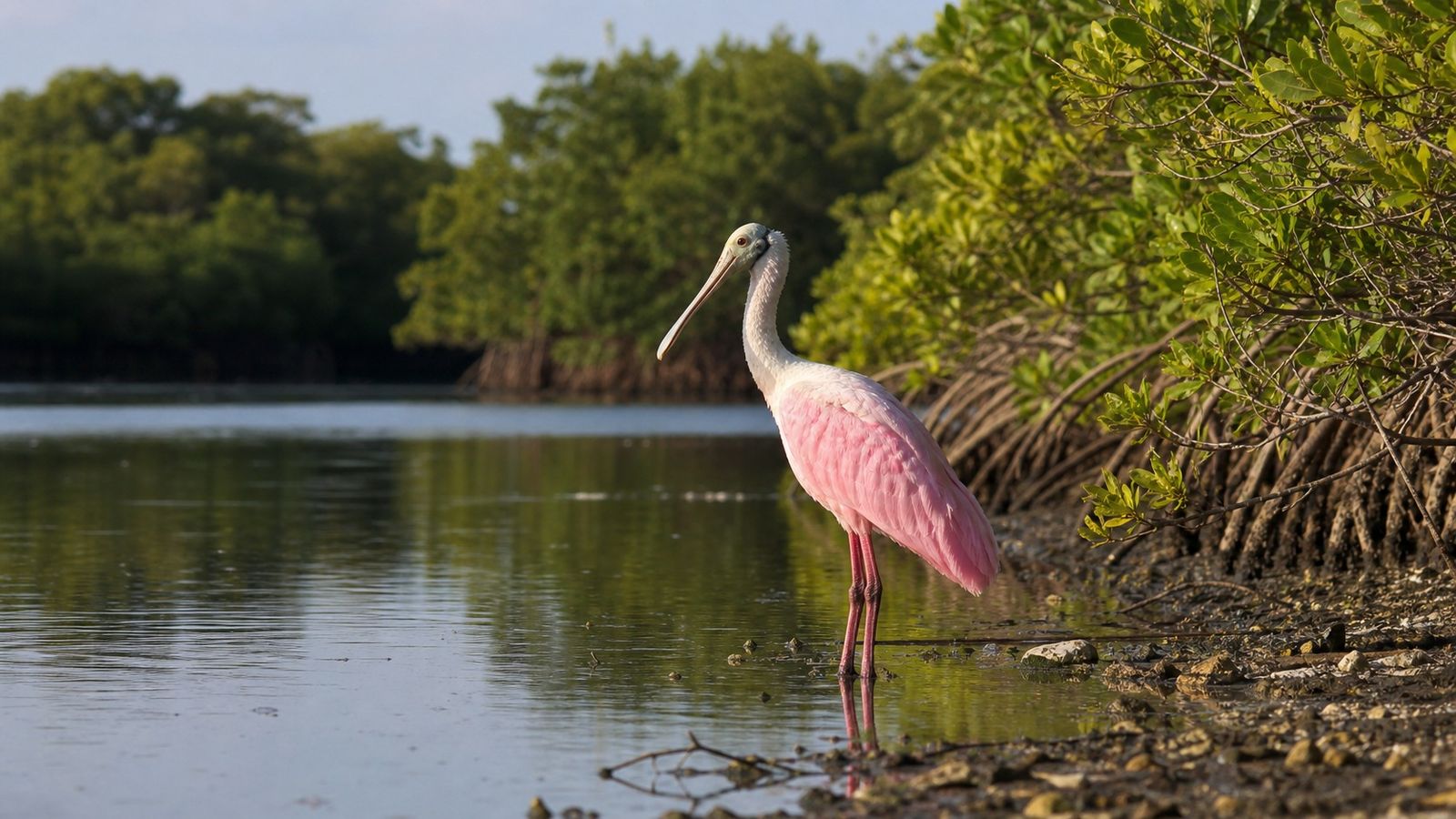
This is where Sanibel is genuinely world-class. The J.N. "Ding" Darling National Wildlife Refuge covers 6,400 acres of the island's interior and mangrove coastline u2014 one of the largest undeveloped mangrove ecosystems in the United States. The 4-mile one-way Wildlife Drive gives you access by car, bicycle, or on foot. What you'll see: roseate spoonbills in brilliant pink, white pelicans gathering in winter, ospreys nesting on almost every dead snag, anhingas drying their wings on exposed branches, great blue and tricolored herons wading in the shallows, ibis probing the mudflats. The refuge sees over one million visitors annually, and for good reason u2014 the density of easily observed wildlife is extraordinary. Come at low tide in the early morning for peak activity. The refuge closes on Fridays. Admission is $10 per vehicle.
Destin has its own nature strengths, though at a smaller scale. Henderson Beach State Park preserves 208 acres of coastal scrub along Destin's Gulf shore, with 6,000 feet of protected beach and a nature trail through ancient dune ridges. Topsail Hill Preserve, 30 minutes east, is one of the most ecologically significant beaches in Florida with undisturbed coastal dune habitat, rare scrub plants, and excellent birding in the pines and scrub. Choctawhatchee Bay behind Destin holds an excellent estuary system for kayak-based birding. Sea turtles nest on Destin beaches from May through October, with organized walks to observe nests. Bottlenose dolphins are reliably common in the harbor and nearshore Gulf.
- Shelling as an activity: On Sanibel, shelling is genuinely absorbing for people who enjoy it. The right sunrise low tide at Bowman's Beach with a mesh bag can yield junonia, lightning whelks, horse conchs, banded tulips, and dozens of smaller species in an hour or two. Destin has shells but in much lower density and variety u2014 the beach orientation doesn't trap them the way Sanibel's does.
- Birding comparison: Ding Darling is one of the top birding spots in the United States by ABA rating. The Panhandle's Choctawhatchee Bay and the state parks offer good but not exceptional birding by comparison. If birding is a specific goal of the trip, Sanibel wins decisively.
- Post-Hurricane Ian status (2026): Ding Darling reopened after significant repair work following Hurricane Ian's September 2022 landfall. As of 2026, the refuge is fully operational, Wildlife Drive is open, and the mangrove ecosystem u2014 while impacted u2014 is actively recovering. Many of the refuge's birds never left; the recovery timeline for mangroves is measured in years, not decades. The wildlife experience remains excellent.
- Captiva Island: Adjacent to Sanibel and accessible by road across Blind Pass Bridge, Captiva is even quieter. South Seas Island Resort, largely destroyed by Ian, is in ongoing reconstruction as of 2026. The north end of Captiva and the ferry to Cabbage Key (famous for its dollar bill-covered walls) remain accessible from Jensen's Marina.
- Verdict: Sanibel wins nature overwhelmingly. If your ideal vacation involves wildlife encounters, serious birding, kayaking through mangroves, or spending hours shelling at sunrise, Sanibel is the right choice. Destin's nature is pleasant but plays a supporting role to its beach and activity scene.
Getting There, Cost, and When to Visit
For most visitors driving or flying from the Southeast and Midwest, Destin is significantly easier to get to than Sanibel. That practical gap matters when you're planning a 5- or 7-night trip.
Getting to Destin: Fly into Destin-Fort Walton Beach Airport (VPS), 20 minutes from Miramar Beach. Or fly into Pensacola Regional (PNS), about 45 minutes west. Direct flights operate from Atlanta (1 hr), Nashville (1.5 hrs), Dallas/Fort Worth, Charlotte, Houston, and Chicago. Southwest, American, Delta, and United all serve VPS or PNS with seasonal direct routes. Driving: 5.5 hours from Atlanta, 7 hours from Nashville, 6 hours from Birmingham, 8 hours from Charlotte. See the Atlanta to Destin and Nashville to Destin guides for specifics.
Getting to Sanibel: Fly into Southwest Florida International Airport (RSW) in Fort Myers u2014 about 30 minutes from the Sanibel Causeway. RSW is a larger airport with more direct flight options than VPS, including nonstop service from New York, Chicago, Detroit, and other Northeast/Midwest cities that may not have direct Destin routes. Once at RSW, cross the Sanibel Causeway (toll: approximately $6 per vehicle). Driving from Atlanta is 8.5 hours; from Nashville, 11 hours. The additional distance from the Southeast significantly changes the calculus for road trippers.
- Rental car requirements: Both destinations require a car u2014 Destin has no meaningful public transit, and Sanibel, though bikeable for the island itself, requires driving to get there from Fort Myers and for grocery runs. Budget for a rental if you're flying.
- Cost comparison: Vacation rental costs in Destin range from around $150/night for small condos in the off-season to $600u2013$1,200/night for large beachfront houses in peak summer. Sanibel vacation rentals tend to be smaller (cottages, 2u20133 bedroom homes) and have run $300u2013$800/night post-Ian, with reduced supply keeping prices elevated compared to pre-2022 levels. On a per-bedroom basis, both destinations are comparable, but Sanibel's smaller rental inventory can make finding the right property harder on short notice.
- Best time to visit Destin: May and Septemberu2013October offer the best value u2014 warm Gulf water (still 78u201381u00b0F), manageable crowds, and significantly lower rental prices than July. Summer (Juneu2013August) is peak season with the highest prices and most activity options running full schedules. Full seasonal breakdown here.
- Best time to visit Sanibel: November through April is peak season u2014 the classic snowbird window, when Midwest and Northeast visitors escape cold winters. Weather is perfect (70su00b0F), shelling is excellent, and Ding Darling has peak bird populations including winter visitors. Summer is hot, humid, and slower, with hurricane season risk (Juneu2013November). The shoulder periods of October and May offer value if you can work around the school year.
- Hurricane consideration: Sanibel's September 2022 near-direct hit from Hurricane Ian at Category 4 strength was a stark reminder of Southwest Florida's vulnerability. The Panhandle has its own hurricane history (Ivan 2004, Sally 2020), but Sanibel's rebuilding experience u2014 the causeway destroyed, the entire island inaccessible for weeks u2014 is a different scale of disruption. Travel insurance is strongly recommended for either destination during hurricane season.
Which Destination Should You Choose?
There's no bad answer here u2014 both are exceptional Gulf Coast destinations that have earned their reputations. The right choice depends entirely on what you're actually looking for.
| Category | Destin | Sanibel |
|---|---|---|
| Water clarity | ★★★★★ | ★★★ |
| Shelling | ★★ | ★★★★★ |
| Watersports & activities | ★★★★★ | ★★ |
| Wildlife & nature | ★★★ | ★★★★★ |
| Dining variety | ★★★★★ | ★★★ |
| Ease of access (SE/Midwest) | ★★★★★ | ★★★ |
| Quietness / seclusion | ★★ | ★★★★★ |
| Value (activities + rental cost) | ★★★★ | ★★★ |
Choose Destin if: You're drawn to that specific emerald-water look, you want a full menu of watersports and charter options, you're traveling with a group that has diverse interests, you want variety in restaurants and nightlife, you're driving from the Southeast and want a reasonable drive, or this is your first Gulf Coast trip and you want the most iconic version of it.
Choose Sanibel if: Wildlife, shelling, or birding is your primary purpose, you want a quieter and more intimate setting without resort-town noise, you prefer character over convenience, you're flying from the Northeast or Midwest and RSW serves your home airport well, or you want the trip to feel genuinely different from any beach vacation you've taken before.
One honest note: if you've been to other popular Florida beaches u2014 Clearwater, Cocoa Beach, Panama City Beach u2014 Destin will still feel meaningfully different because of the water quality. The emerald color isn't marketing; it's geology. First-time visitors who chose Destin on a recommendation consistently cite the water as the thing that exceeded their expectations. Sanibel's surprise, for those who haven't been, is how good the shelling is in practice u2014 it sounds like a niche hobby until you're up at 6am with a mesh bag and can't stop because you just found a perfect lightning whelk.
Base Camp for Destin's Emerald Coast
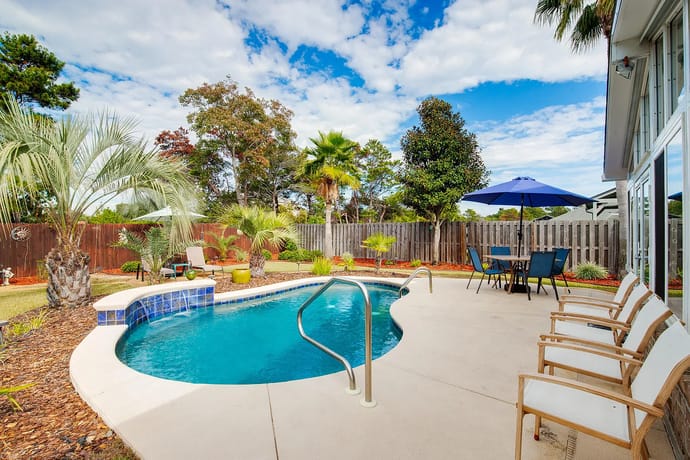
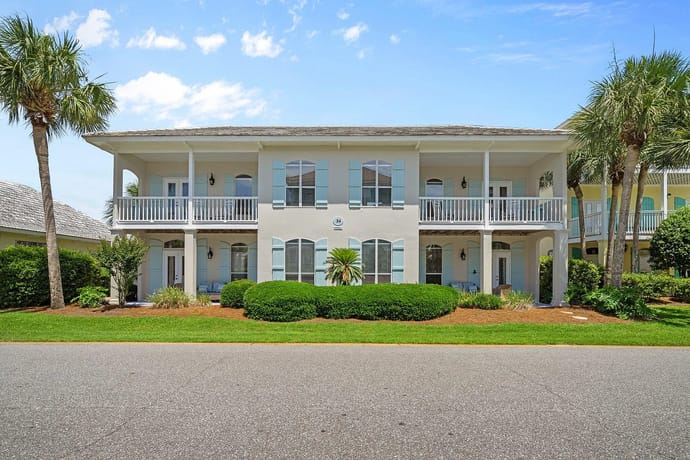
If Destin is your choice, both of our properties put you close to the beach, the harbor, and everything that makes this stretch of the Gulf Coast worth the trip. Our Miramar Beach rental has a private pool, 4 bedrooms, sleeps 8, and starts from $225/night u2014 the pool matters when you've been in the sun all day and want to keep swimming without driving back to a public beach. Our Destin rental is pet-friendly, sleeps 12 across 3 bedrooms plus a bunk room, and starts from $110/night u2014 great for larger groups who want to keep costs reasonable without sacrificing space.