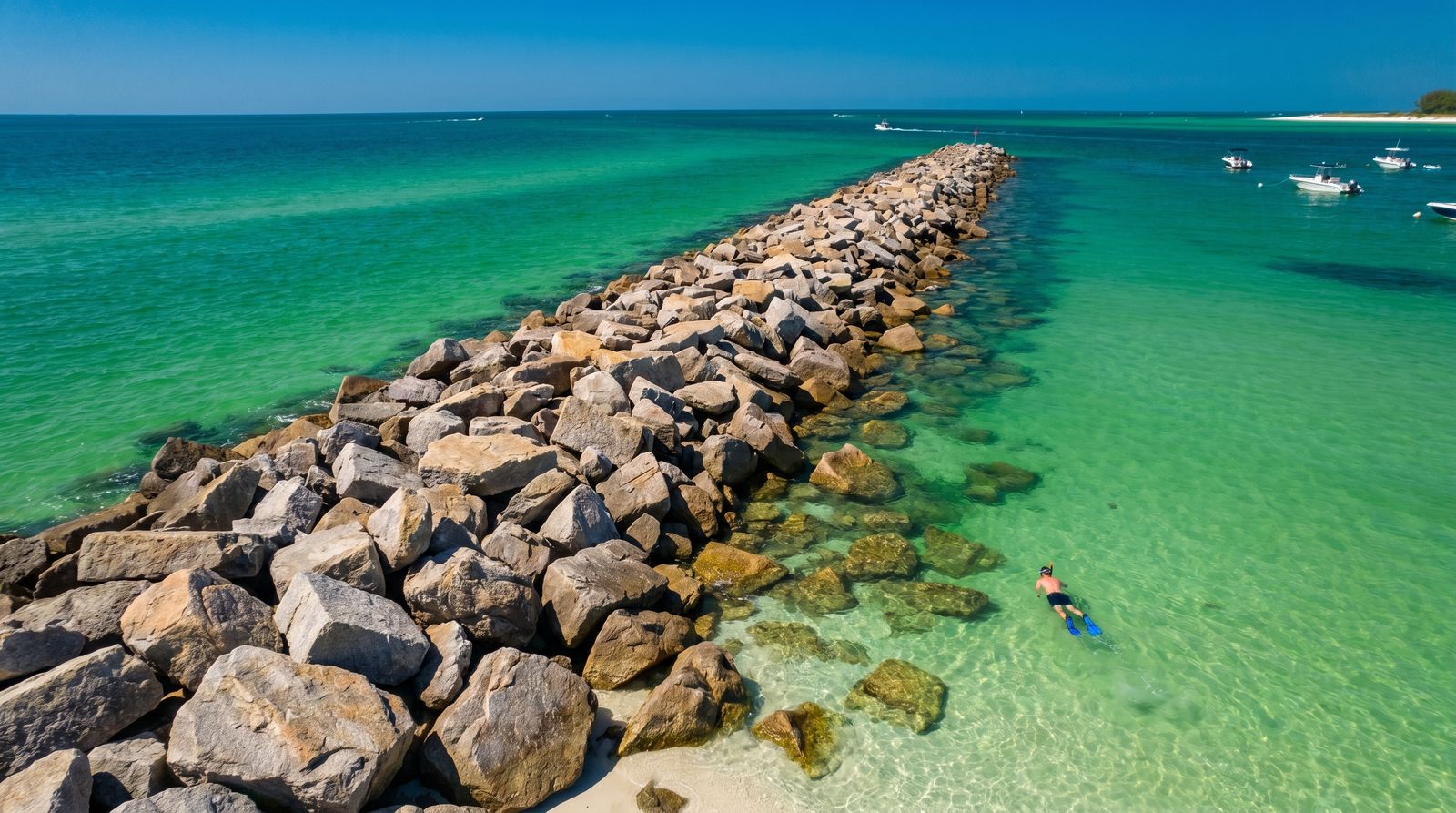
Destin doesn’t have the elaborate reef systems of the Florida Keys or the Caribbean, and the honest thing to say upfront is that most of the Gulf bottom near shore is sandy and relatively flat. But the water clarity here — the same phenomenon that gives it that electric emerald-green color you see in photos — makes for genuinely enjoyable snorkeling if you know where the structure is. Limestone ledges, artificial reefs, the concrete rubble near the East Jetty, and even the pilings under Destin Bridge all hold fish in surprising numbers.
The key is not to expect tropical reef snorkeling. Expect clear, warm Gulf water, a solid variety of reef fish, sea fans, and the occasional surprise encounter. That framing holds up — and plenty of first-timers come up from the water grinning wider than they expected.
The Best Snorkeling Spots Near Destin
Here’s where the underwater action actually is, ranked roughly from most accessible to most adventurous:
East Jetty — The rocks lining the jetty at the mouth of Destin Harbor are the single most reliably productive snorkeling spot accessible without a boat. You can wade in from shore (access via Crystal Beach Drive) and the water gets interesting within 20–30 feet of the jetty wall. The rocks are encrusted with barnacles and small corals, and they shelter sheepshead, spadefish, pinfish, and various wrasses. Water is typically 6–12 feet deep along the jetty face. Caution: the tidal current at the jetty mouth is real — snorkel on the inside (harbor side) of the jetty during an incoming tide, or pick a slack tide window. Don’t fight the current.
Destin Bridge Pilings — The old bridge pilings south of the Mid-Bay Bridge on the Choctawhatchee Bay side hold fish year-round. Less visibility than Gulf spots on a good day, but the fish concentration is impressive — sheepshead stacked on top of each other on the pilings, sometimes large redfish and flounder in the sandy areas between. Better for experienced snorkelers who don’t mind some boat traffic above them. Kayak access works well here.
Nearshore Limestone Ledges (boat access) — The most rewarding snorkeling near Destin requires a short boat ride to the nearshore ledge systems 1–3 miles offshore. These limestone outcroppings sit in 15–30 feet of water and are what the guided snorkel tours are built around. You’ll find gag grouper, red snapper, amberjack, sergeant majors, and angelfish on a good day. Visibility on these ledges in summer (June–September) regularly hits 30–50 feet — that’s when the water is at its most Caribbean-like. This is where Destin snorkeling genuinely impresses.
Henderson Beach State Park Shore — Worth a mention, though the sandy bottom here doesn’t hold much marine life. The water is consistently clear and shallow — good for beginners or kids getting comfortable with a mask and fins for the first time. After heavy rainfall, give it a day or two for visibility to recover.
Crab Island — The shallow sandbar in Destin Harbor (2–4 feet of water) isn’t a snorkeling destination per se, but it’s worth bringing a mask. There’s always sea grass, small crabs, and the occasional stingray resting in the sand nearby. Kids love it for the novelty of peering underwater in calm, manageable depth.
Guided Snorkel Tours — What to Expect
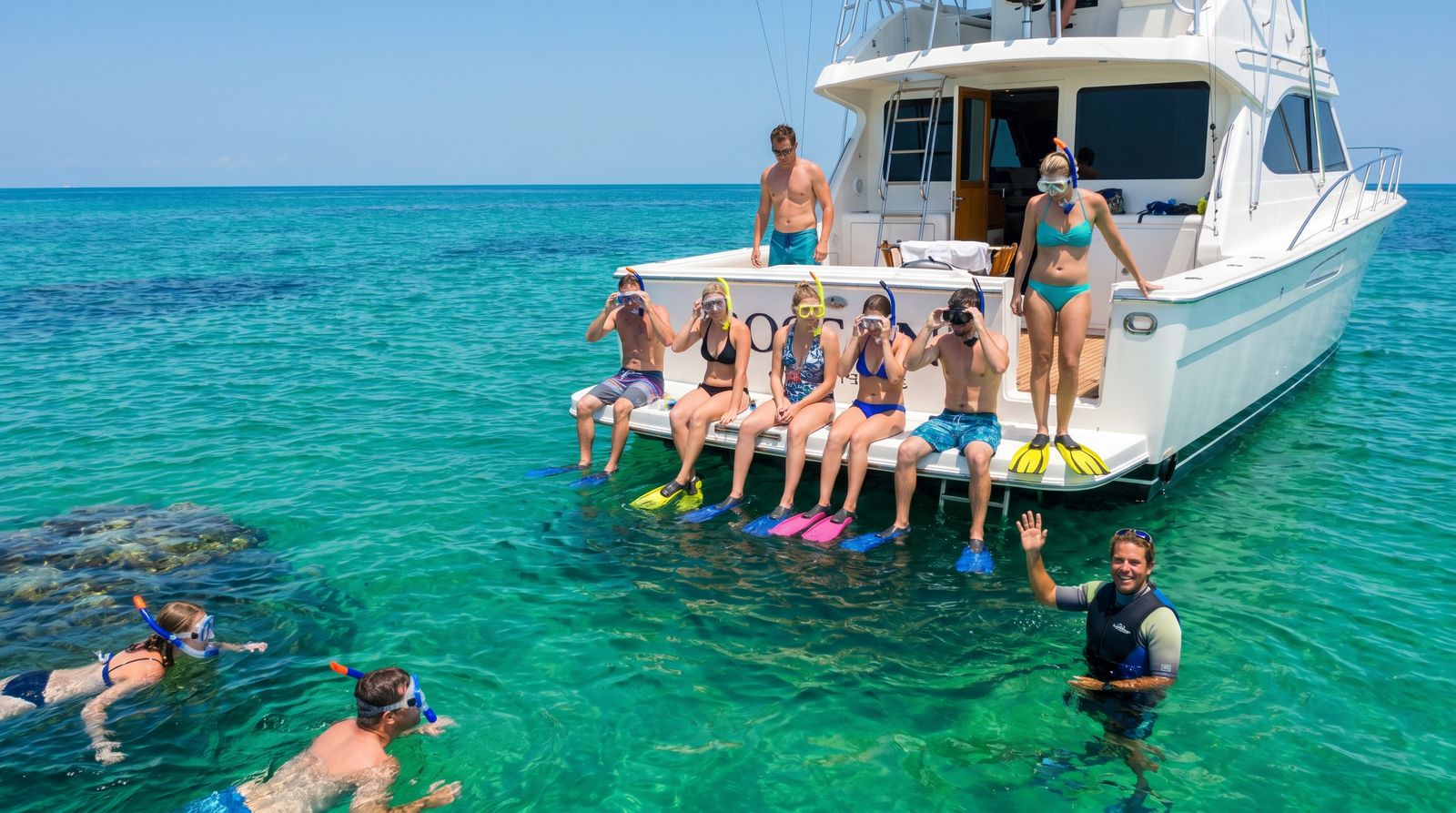
If you’ve never snorkeled before, or you want to maximize your chances of seeing something impressive, a guided tour is the right call. Destin has several operators running half-day snorkel trips that take you directly to the nearshore ledges — spots you can’t easily reach from shore.
Typical format: A 30–40 foot boat departs from Destin Harbor (usually HarborWalk Village), runs 2–4 miles offshore to a ledge or artificial reef, and anchors while guests snorkel for 45–75 minutes. Most trips make two stops. Gear (mask, fins, snorkel, life vest) is included. Staff are in the water and on deck — they’ll point out fish and help less-confident swimmers feel secure. Groups run 8–20 people typically.
What it costs: Shared snorkel tours run $45–75/person for a half-day (3–4 hours). Private charters are available for groups willing to pay $400–700 for a half-day — worth it if you have 6+ people who want to call your own shots. Check operators at HarborWalk Village; some bundle snorkeling with dolphin watching on the same trip.
What you’ll actually see: On a clear summer day on a ledge in 15–25 feet of water — sergeant majors, spadefish, sheepshead, the occasional grouper or amberjack hovering near the bottom, sea fans, encrusted limestone. Not a coral reef in the Keys sense, but a legitimately living underwater environment with real fish behavior. Some trips luck into encounters with sea turtles; dolphins are frequently spotted on the ride out or back.
Booking tip: Morning departures offer better underwater visibility (calmer seas, less afternoon boat traffic stirring up sediment) and cooler surface temperatures. In summer, book at least a week ahead — weekend slots fill quickly.
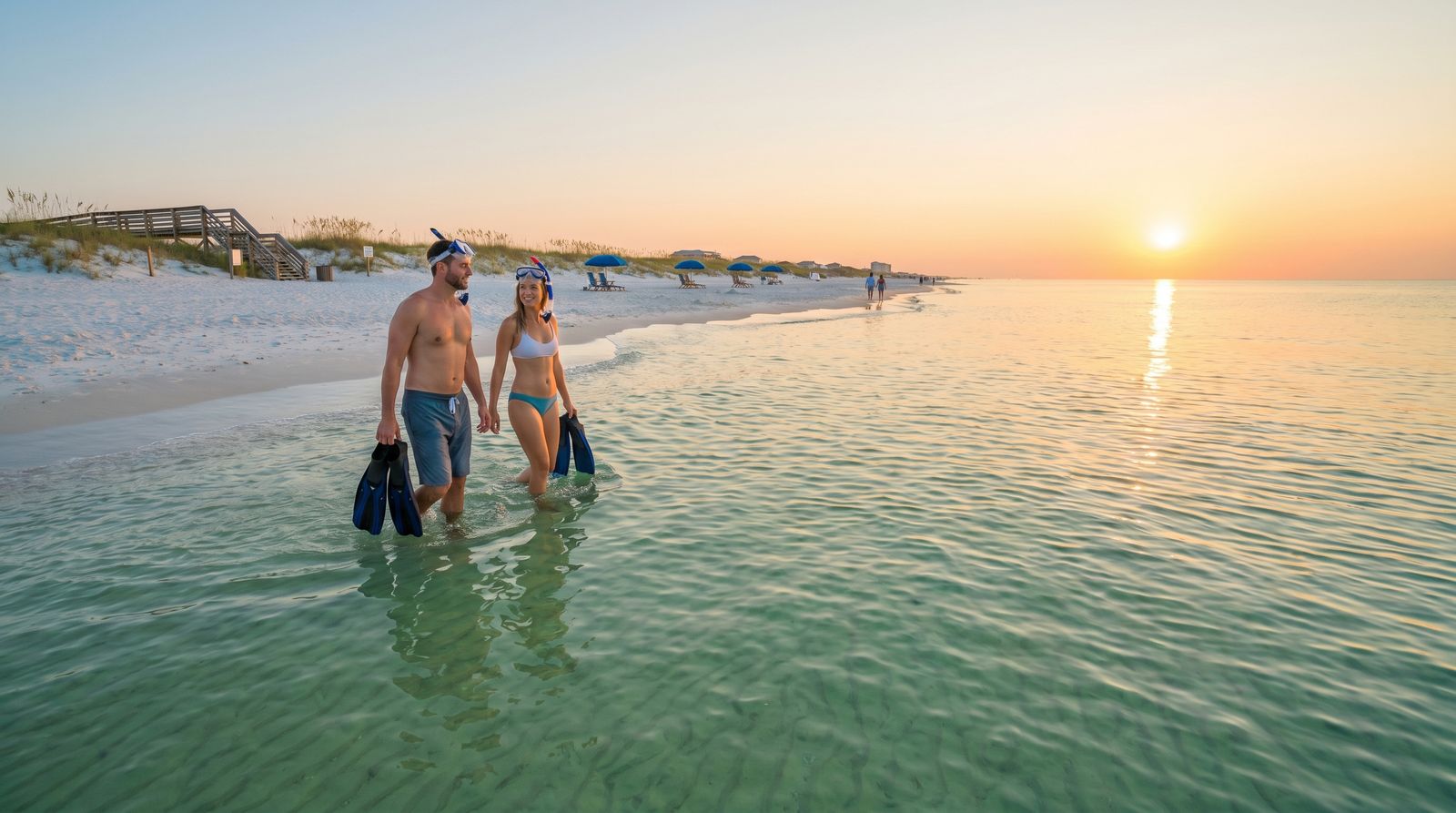
DIY Snorkeling — Gear, Conditions & Access
Going independent is easy if you have gear or are willing to rent it. A few logistics:
Gear rental & purchase: Snorkel sets (mask, fins, snorkel) are available at most watersports rental shops along the harbor and on Scenic Gulf Drive. Rental runs around $15–25/set per day. If you’re planning to snorkel more than two or three times, buying a mid-quality set at Walmart or Publix for $30–50 is cheaper and you keep it. A quality full-face mask makes a significant difference for comfort if you’re snorkeling for more than 20 minutes at a stretch.
Checking conditions: Visibility is the critical factor. After storms or heavy rain, Gulf water near shore can cloud up for 24–48 hours. Wind over 15 mph chops the surface and reduces visibility. The best DIY snorkeling windows in Destin are calm summer mornings (June–September) after at least two dry days. Check the Destin harbor webcam or local surf reports for a quick read on current conditions before driving out.
East Jetty access: Park near the east end of Crystal Beach Drive or at the public access point near the jetty base. The rocks are accessible by wading in from the sandy shore. The jetty face drops off gradually — start in shallower water and work your way along the rocks. Wear water shoes or fins for the rocky entry. The best snorkeling is within the first 100 feet of jetty wall closest to the Gulf entrance.
Safety notes: Always snorkel with a buddy. A bright orange dive flag on a float is courteous and keeps you visible to boats — especially near the jetty where small vessels pass regularly. Don’t touch the marine life or the rocks. The Gulf flag system applies to snorkelers as well as swimmers: no snorkeling on double red flag days, and use real caution on yellow flag days when currents are elevated. A mild rip current that a swimmer can navigate standing up is hard to manage while wearing fins.
Best Time of Year to Snorkel in Destin
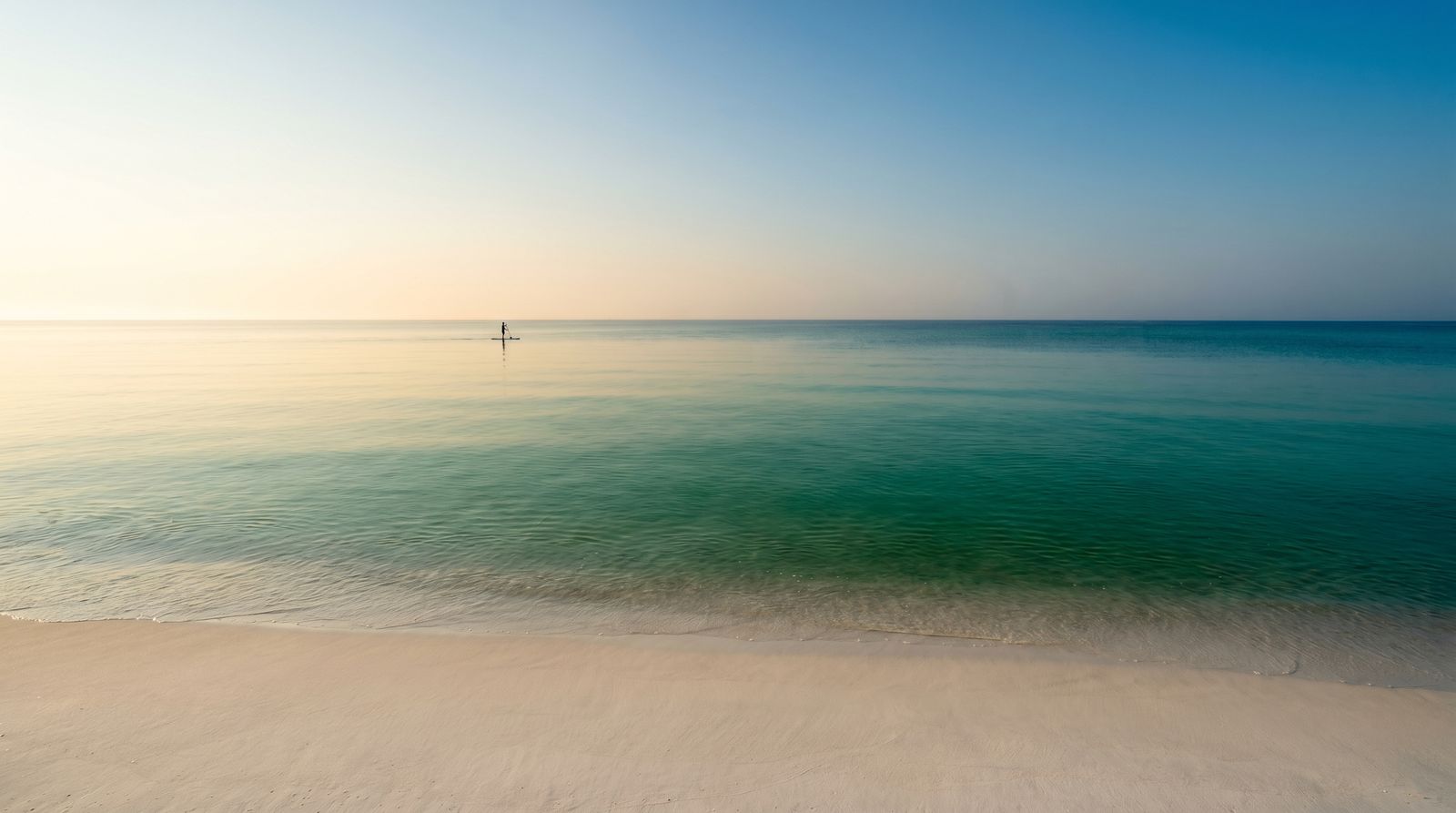
Water temperature and clarity both matter for snorkeling, and they peak at different times:
- June–September: Peak snorkeling season. Water temps hit 78–84°F — no wetsuit needed. Gulf visibility at its best, frequently 30–50 feet offshore. The catch is afternoon thunderstorm season (June–August), so morning outings are ideal. Jellyfish are present in mid-to-late summer, most commonly the small moon jellyfish — a mild sting, not a reason to skip it.
- April–May: Water is warming (68–76°F), and the shoulder season means far fewer people competing for the best snorkel spots. Spring water clarity can rival summer on calm days. Wetsuits or rash guards are comfortable for longer sessions.
- October: Underrated month for snorkeling. Water is still 72–76°F from summer warming, summer crowds are gone, and Gulf conditions are frequently calm and clear. The light has a beautiful October quality that makes the emerald color even more vivid.
- November–March: Water cools to 56–68°F. Snorkeling is still technically possible with a full wetsuit, but most people give it a pass. Visibility can be excellent on calm winter days, and the jetty fish don’t migrate far — but the cold is real, and most rental operators close for the season.
The sweet spot: Late May through early October offers the best combination of warm water, good visibility, and manageable crowds. If you’re choosing a week specifically for snorkeling, aim for June or the last week of September into early October — those windows hit peak conditions with less summer chaos.
What You’ll See Underwater in Destin
Managing expectations here is actually a gift — because the real experience often beats the pre-trip mental image. The most commonly encountered species in Destin snorkeling:
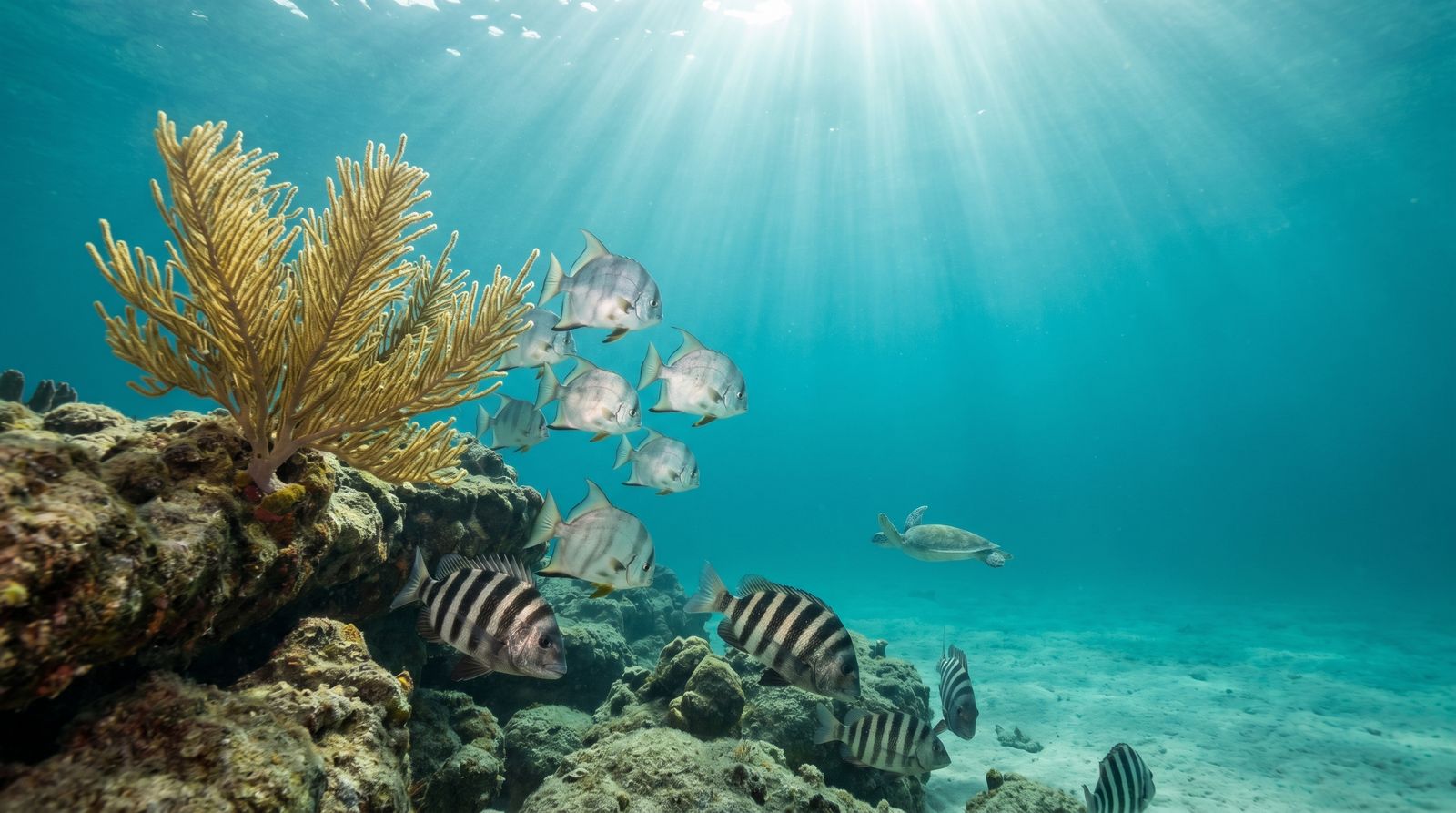
- Sheepshead — Striped, almost comically beautiful fish that cluster around any hard structure. The jetty rocks are stacked with them. Look for the vertical black-and-white stripes and the impressive teeth.
- Spadefish — Large, disc-shaped fish that school near offshore structure. Seeing a school of 20–30 spadefish is one of the most visually striking underwater moments Destin offers.
- Sergeant Majors — Small, vibrant reef fish with yellow-and-blue striping found in numbers near any encrusted structure. They’re curious and will come close if you stay still.
- Grouper & Snapper — More common on offshore ledges than the jetty, but small gag grouper and lane snapper regularly appear on nearshore structure. Red snapper in particular hover just above the sandy bottom near ledge edges.
- Flounder — A Destin specialty. They camouflage perfectly on sandy patches between rocks — look for the slight oval shape disrupting an otherwise flat bottom.
- Stingrays — Frequently seen resting or gliding over the sandy bottom. Beautiful to watch; give them a wide berth and do the shuffle walk if wading on sand to avoid stepping on one.
- Sea Turtles — Not guaranteed but genuinely possible on offshore trips from May through October. Loggerheads and green turtles are both in these Gulf waters.
- Jellyfish — Moon jellies are common June–August and have mild stings. The large, darker cannonball jellyfish are non-stinging. Portuguese man-o-war (rare but possible) look like a blue bubble on the surface — don’t touch it.
On the structure side: the nearshore limestone ledges are covered in encrusting sponges, small soft corals, and sea fans. It’s not a rainbow reef, but the color of the life on the rock against Destin’s signature green-blue water is genuinely striking on a clear day.
Base Camp for Your Snorkel Trip
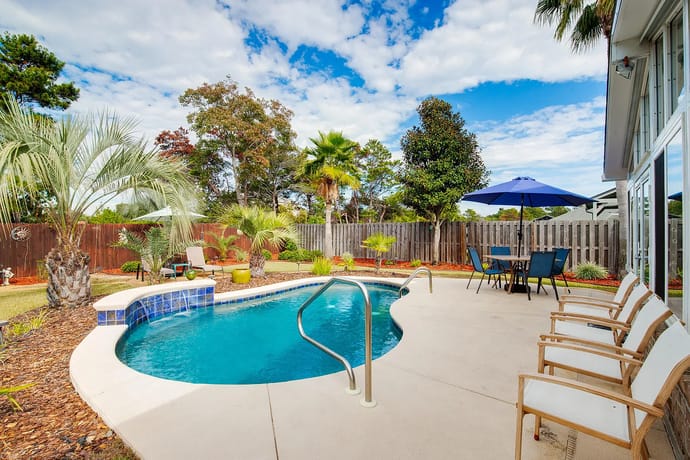
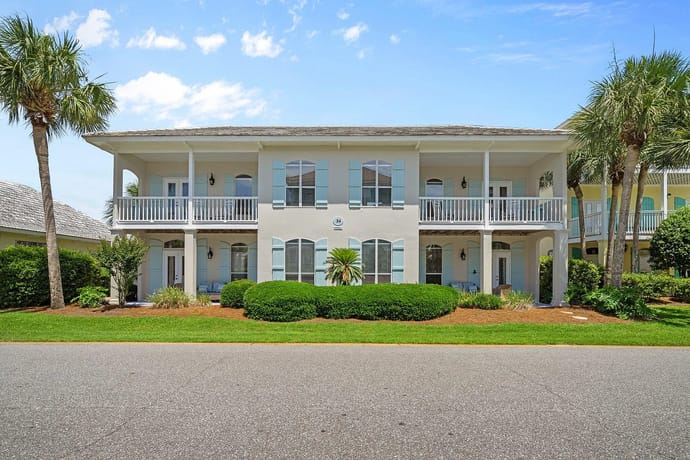
Both of our properties give you a great home base for snorkeling days on the Emerald Coast. The Destin harbor is a 10-minute drive from our Miramar Beach rental — close enough for early morning tour departures without the alarm-clock scramble. Our Destin rental puts you even closer to the East Jetty and the harbor tour operators.
Our Miramar Beach rental has a private pool (great for rinsing off salt and cooling down after a snorkel session), 4 bedrooms, and sleeps 8 from $225/night. Our Destin rental is pet-friendly, sleeps up to 12 across 3 bedrooms plus a bunk room, and starts from $110/night.