Most people come to Destin for the sugar-white sand and that otherworldly emerald water. What surprises them is how much life is in that water. Bottlenose dolphins work the harbor every morning. Loggerhead sea turtles crawl up the beach to nest from May through October — sometimes right in front of beachfront rentals. Manatees appear in the Choctawhatchee Bay with almost no warning. Brown pelicans dive-bomb the East Pass within reach of kayakers. And the Gulf floor under a foot of clear turquoise water holds stingrays, cownose rays, and more species of fish than most people expect from what looks like a typical beach town.
This guide covers every creature you're likely to encounter on a Destin trip — what it is, when and where to find it, whether you need a guided tour, and how to handle it responsibly when it happens.

Bottlenose Dolphins — Your Most Likely Wild Encounter
Destin's resident bottlenose dolphin population is one of the largest and most reliable on the Gulf Coast. These aren't seasonal visitors — they live here year-round in the harbor, the East Pass, and the sheltered waters of Choctawhatchee Bay. Local guides can identify individual animals by their distinctive dorsal fin markings and have tracked the same family pods for over a decade.
You don't need a tour to see them. From late March through October, it's common to spot fins from the Destin Harbor Boardwalk in early morning, from the East Pass bridge overlook on Hwy 98, or from a paddleboard on the calm bay. What a tour gets you is reliable close-up access — dolphins here are used to tour boats and often approach on their own terms, bow-riding at eye level 10 feet away.
- Best month for calves: April through June. Mothers with new calves are common from spring onward, and the calves stay tight to their mother's flank in shallow bay water.
- Best time of day: Early morning (before 10am) when dolphins are actively feeding the harbor channel. Dusk is a close second.
- Free viewing spots: The Destin Harbor Boardwalk (especially near the AJ's dock), the East Pass bridge overlook on Hwy 98, and John Beasley Park shoreline on Okaloosa Island.
- Guided option: The dolphin cruise guide covers the full operator breakdown — typical prices run $22–28/adult for a 75–90 minute harbor tour from HarborWalk Village.
Important: Dolphins are protected under the Marine Mammal Protection Act. Don't approach within 50 yards by boat, don't feed them, and don't enter the water near a pod. Any operator who encourages feeding or "swim with dolphins" in open water is violating federal law. The best encounters are the ones where the dolphin chose to approach you.

Sea Turtle Nesting Season — May Through October
If you're visiting Destin from May through October, there is a real possibility you'll wake up one morning to find a sea turtle nest roped off 20 feet from your beach access. The Emerald Coast is an active nesting corridor for loggerhead sea turtles (Caretta caretta), with smaller numbers of green sea turtles and, occasionally, Kemp's ridley turtles using the same beaches.
Female loggerheads come ashore at night — typically between 9pm and 5am — to dig a nest in the dry sand above the tide line. A single nest can contain 80–120 eggs. Nests incubate for 50–60 days before the hatchlings emerge and orient toward the Gulf using natural light. Bright artificial lights disorient them, which is why Okaloosa County enforces strict beach lighting ordinances during nesting season.
Our full sea turtle guide goes deeper on nesting biology, but the key practical notes for visitors:
- Peak nesting activity: June and July. Hatching typically runs July through September.
- How to find nests: Look for the "crawl" track (parallel flipper marks in the sand) at dawn before beach crews arrive. Nests are roped off with orange stakes and flagging tape within hours of discovery by Okaloosa County Sea Turtle Survey volunteers.
- Watching a boil: Possible but rare. Signs are a collapsed depression where the nest was, or small hatchling tracks leading to the water. The boil typically happens pre-dawn.
- Night beach rules: Stay behind the dune line after dark. No bright lights, no beach fires near nests. If you see a nesting turtle, observe silently from a distance and call the FWC Wildlife Alert hotline (888-404-3922). No flash photography.
- Best beaches for nest markers: Henderson Beach State Park, the stretch from Inlet Beach through Miramar Beach, and public access points along Holiday Isle.

Manatees: The Surprise Sighting You Won't Forget
Manatees aren't guaranteed on a Destin trip — but they show up far more often than most visitors expect. West Indian manatees (Trichechus manatus) use the warm, protected waters of Choctawhatchee Bay as a seasonal feeding ground, moving in as water temperatures climb in spring and lingering through October. Unlike dolphins, they're slow, surface every 3–5 minutes to breathe, and spend most time in shallow sea-grass beds near freshwater outflows.
Spots where people regularly report manatee sightings near Destin and Miramar Beach:
- Rocky Bayou at Fred Gannon State Park: About 20 minutes east of Destin off Hwy 20. This sheltered bayou off Choctawhatchee Bay is one of the most consistent manatee-viewing spots in Okaloosa County. Kayakers encounter them here regularly from April through October.
- Indian Bayou area (Destin): Shallow, sea-grass-rich bay habitat that manatees work slowly during early morning hours. Accessible by kayak from the Indian Bayou Trail boat ramp.
- Destin Harbor canal system: Manatees are drawn to warmer water near residential canals and will occasionally appear near the harbor inlet itself.
- Crystal Beach Pier area: Occasional sightings from the pier in calm weather when bay visibility is high.
Manatee rules: Manatees are federally protected. You cannot feed, chase, or pursue them. If a manatee surfaces near you while swimming, you may allow it — but you cannot initiate contact. Violations carry fines up to $50,000 and potential prison time under federal law.
Practical tip: Once you spot a manatee surfacing, hold still and watch — they often surface in roughly the same area multiple times before moving on. A slow, quiet kayak approach is the best way to observe one without disturbing it.

Birds of the Emerald Coast: Pelicans, Ospreys & Great Egrets
Coastal Destin is exceptional for birdwatching even if you've never picked up binoculars. The convergence of Gulf, bay, and freshwater wetland habitats concentrates shorebirds, waders, raptors, and seabirds in a way that's hard to match on the Florida panhandle. What you'll most likely see:
- Brown Pelicans: Year-round residents and impossible to miss. Watch them plunge-dive the East Pass channel from the Hwy 98 bridge walkway — a 40-foot drop from 50 feet up that lands with a dramatic splash. Along the harbor boardwalk they perch on pilings and follow charter boats back to the dock for scraps.
- Ospreys: Everywhere from April through October, nesting on channel markers, dock pilings, and utility poles throughout the harbor. Their hover-pause-plunge hunting sequence over calm water is one of the most watchable moments in Destin birding. Population has boomed over the last 20 years.
- Great Blue Herons & Great Egrets: Patient waders working the shallow bay margins and rocky shorelines. Great egrets in breeding plumage (spring and summer) are spectacularly white with fine lacy plumes. Find them at Fred Gannon State Park and along the Indian Bayou shoreline.
- Royal Terns & Least Terns: Terns nest in ground colonies on the same beaches where sea turtles nest — look for the protective flagging tape from May through August. Least terns are tiny, comically aggressive, and will divebomb anyone who walks too close to their colony.
- American Bald Eagles: Year-round residents along the Choctawhatchee Bay shoreline near Eglin AFB. Not a guarantee, but a real possibility — especially in winter when they're more visible in bare trees along the bay edge.
Best birding spots: Henderson Beach State Park (dune scrub + beach mix), Fred Gannon Rocky Bayou State Park (bay margin + mixed forest), the Destin Harbor Boardwalk, and the shallow bayou flats accessible by kayak from Indian Bayou Trail.

What's Below the Surface: Stingrays, Fish & Sharks
The emerald water near Destin is transparent in calm conditions — and if you wade out knee-deep or hop on a paddleboard, you'll see things. More than most people expect.
Southern Stingrays & Cownose Rays: The most common surprise encounter in Destin's nearshore water. Southern stingrays bury themselves in the sand in knee-deep water — they look like sandy halos until they startle and glide away. Always do the "stingray shuffle" (drag your feet rather than lift and step) when wading, especially on the bay side. Cownose rays migrate through in enormous schools in spring and fall — watching a school of 50 rays moving through 3 feet of clear water is surreal and one of the underrated wildlife moments on the Emerald Coast.
Fish: The nearshore Gulf hosts abundant ladyfish, pompano, Spanish mackerel, and redfish visible in the shallows. For bigger encounters, snorkeling trips to the artificial reefs and natural limestone ledges 1–3 miles offshore put you in range of massive schools of snapper, grouper, amberjack, and sea bass. Some of the artificial reefs sunk within the last several years hold concentrations of marine life that rival anything in the Caribbean at comparable depths.
Sharks: Present year-round in Destin's coastal waters. The Destin sharks guide covers the full picture — the short version: nurse sharks, Atlantic sharpnose, and blacktip reef sharks are common inshore. Bull sharks work the East Pass and harbor inlet, particularly during low tide when baitfish concentrate near the channel edges. Risk to swimmers is real but low; no fatal attacks have occurred at Destin beaches. Practical rules: swim in groups, avoid dawn and dusk, stay away from active fishing activity, and never ignore red or double-red flag warnings.
For the best underwater access, a guided snorkel trip runs about $40–55/person from HarborWalk Village and includes all gear. It's the easiest way to experience Destin's reef ecosystem without scuba certification — and it's genuinely impressive even if you've snorkeled in the Caribbean.
Stay Close to the Wildlife
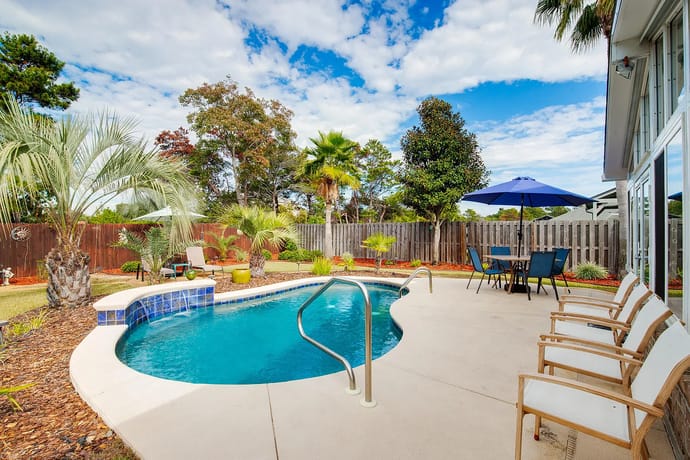
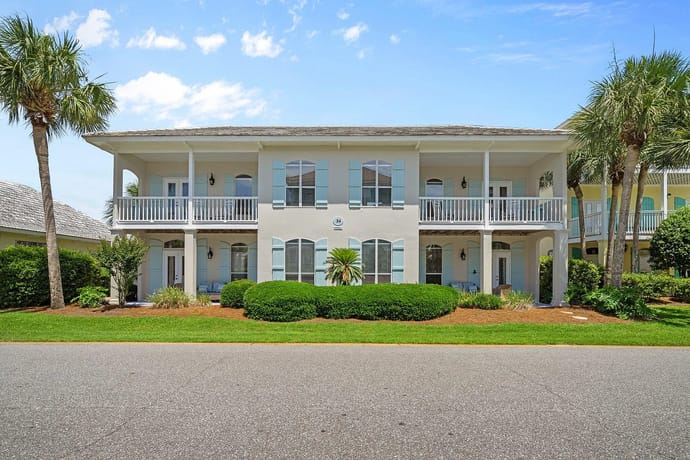
Both of our rentals put you within minutes of Destin's best wildlife-watching — dolphin cruise departures at the harbor, sea turtle nest monitoring along the beach, kayak launches into the bay, and sunrise bird walks at Henderson Beach State Park. Our Miramar Beach rental has 4 bedrooms, a private pool, and sleeps 8 from $225/night — right along the beach corridor where sea turtles nest most heavily each summer. Our Destin rental is pet-friendly, sleeps up to 12 across 3 bedrooms plus a bunk room, and starts from $110/night — close to the harbor and easy access to the East Pass.