The Gulfarium Marine Adventure Park has been on Okaloosa Island since 1955 — long before Destin became the beach-vacation powerhouse it is today. It's not a flashy new attraction built around a single Instagram moment. It's a working marine park with genuine animal care programs: resident bottlenose dolphins, rehabilitated sea turtles, northern river otters, stingrays, shore birds, and a solid indoor aquarium of Gulf and Atlantic species. The heritage shows in how the place operates — less theme park, more legitimate marine wildlife experience with decades of animal knowledge behind it.
Plan 2–3 hours for a thorough visit. Go early on weekdays to beat the heat and the crowd. Budget extra time if your group wants a dolphin encounter or stingray feeding add-on. The park is walkable, mostly shaded along the main path, and genuinely among the best things families with kids under 12 can do on the Emerald Coast.

What's Inside: Animals, Exhibits, and Marine Life
The Gulfarium isn't a single tank behind glass. It's a sprawling outdoor facility with a series of habitats, pools, and indoor aquarium areas spread across several acres on Okaloosa Island's Gulf side. The main draws are the marine mammal shows and encounter programs, but the supporting exhibits give the visit genuine depth:
- Atlantic Bottlenose Dolphins — The cornerstone of the Gulfarium's program. Multiple resident dolphins participate in daily shows and the paid encounter programs. The amphitheater show is included in general admission and runs multiple times daily in season. It demonstrates trained behaviors through positive reinforcement — real trainer commentary on dolphin biology and conservation, not a theatrical performance built purely for crowd noise.
- Sea Turtles — The rehabilitation pool houses loggerhead and green sea turtles, some of which have been in the Gulfarium's care for years after stranding or injury. Interpretive signage explains each animal's history. For most families, this becomes the unexpected emotional anchor of the visit — the individual turtle backstories are specific and affecting. More on sea turtle sightings in the wild here.
- Northern River Otters — Consistently the crowd favorite for young kids. Active, playful, and indifferent to being watched, the otter habitat has underwater viewing panels where you can watch them tumble and swim. People routinely spend more time here than they planned.
- Living Seas Aquarium — The indoor aquarium building is air-conditioned and dim — a natural rest stop during the hottest part of a Florida summer afternoon. Tanks house moray eels, nurse sharks, lionfish, porcupine fish, and a wide range of Gulf and Atlantic reef species. The display tracing the Gulf food chain from plankton to apex predator is particularly good for school-age kids.
- Shore Birds and Native Species — Brown pelicans, double-crested cormorants, and other shorebirds occupy an open-air aviary. Several are permanent residents due to injury sustained before they arrived. Eye-level viewing from the walkway, and the framing — these are animals that can't go back to the wild — tends to shift how quietly kids approach them.
- Tropical Fish Collection — Additional saltwater tanks with clownfish, tangs, triggerfish, and reef species are distributed throughout the facility. These fill the connective tissue between the bigger habitats and give the path a sense of continuous discovery rather than walking between widely spaced main events.
Walking the park: The main path forms a rough loop. Budget 45–60 minutes just for walking it and reading the interpretive panels — not counting show attendance or interactive programs. In peak summer heat, the air-conditioned aquarium building and shaded sections near the otter habitat are pace-breaks worth planning around.

Dolphin Shows and Encounters: What to Expect
There are two separate dolphin experiences at the Gulfarium and understanding the difference before you arrive saves confusion and disappointment at the gate:
Dolphin Show (included in admission) — The amphitheater show runs 3–4 times daily in peak season, typically at 10am, 1pm, and 3:30pm. Confirm the schedule at the entrance on arrival since it shifts slightly by season and day. Shows run 20–25 minutes and demonstrate natural behaviors through positive reinforcement training, with trainer commentary on bottlenose dolphin biology. The bleachers are uncovered concrete — bring a hat and find whatever shade exists. Front rows get splashed, which most kids treat as a bonus rather than a problem.
Dolphin Encounter (paid add-on) — A small-group program — typically 6–8 people — where guests enter the shallow wading area with a trainer and interact directly with one of the resident dolphins. You'll touch, feed, and receive trained behaviors: the dolphin presses its rostrum into your open palm, rolls for a belly scratch, and waves a pectoral fin on cue under trainer coaching. Cost runs approximately $80–$120 per person depending on the season. Minimum age and weight requirements apply — check the Gulfarium's booking page before assuming all ages qualify. Book this when you book your rental, not the week before your trip — summer sessions sell out 2–3 weeks in advance.
Swim with Dolphins — A deeper-water program involving actual swimming alongside a dolphin. Higher age and weight minimums, higher cost, and fewer available slots. Not necessary for a memorable experience — the wading encounter delivers most of what families are looking for at a lower barrier to entry.
For most families, the right move is to book the dolphin encounter and attend the included amphitheater show on the same visit. The show gives context for what you'll experience in the encounter, and the encounter itself — that direct, supervised physical contact with an animal this intelligent — is the thing families still discuss a year later. Also consider a wild dolphin cruise for a different experience on the harbor.

Stingray Touch Pool, Sea Turtles, and Other Interactive Experiences
Beyond the dolphin programs, the Gulfarium has several other hands-on experiences that are included in general admission or available as modest add-ons. These are the ones worth knowing about:
- Stingray Touch Pool — A shallow circular tank where Southern stingrays glide in slow loops through calf-deep water. You run two fingers lightly along their wings as they pass — the sensation is distinctly like wet velvet, which surprises most visitors. Staff are present to demonstrate the correct two-finger technique and ensure the animals aren't grabbed. The barbs are blunted as a standard safety measure, and these animals are well-conditioned to gentle human contact. Works for kids as young as 3–4 with a patient adult alongside. Easy to spend 20 minutes here without realizing it.
- Stingray Feeding (small add-on) — For roughly $5–8, you can buy a tray of squid pieces to hand-feed the rays. Optional — the free touch experience satisfies most visitors — but worthwhile if you have kids who want the full sensory experience. The ray will gently suction the food from your open palm without biting.
- Sea Turtle Observation — The rehabilitation pool is always open and sits on the main path. No scheduled program — just a clear, well-maintained tank with interpretive panels explaining each animal's individual history. Sea turtles move on their own schedule, but there's almost always one near the surface during the day and the water is clear enough to follow them when they descend.
- Keeper Talks — Several exhibits have informal keeper talks on a rotating daily schedule. The otter and sea turtle talks tend to be the most engaging — the staff know these specific animals as individuals, and that personal knowledge comes through in the telling. Check the schedule board at the entrance when you arrive and build your path around the ones you want to catch.
- Animal Ambassador Appearances — Seasonally, keepers walk penguins or other animals along the main path as part of an ambassador program. Not every visit includes this, but when it happens it stops the crowd. Ask at the front desk whether this is scheduled during your visit.
Photography notes: All touch and viewing experiences allow photography. For the stingray pool, shoot from slightly above the water surface with the ray in the foreground. For the otter underwater panels, hold your phone flush against the glass in the dim interior and skip flash — it reflects badly. The dolphin show amphitheater allows photos throughout.

Tips for Visiting with Kids: Ages, Timing, and What to Skip
The Gulfarium works best for families with children roughly between 3 and 13. Below 3, the exhibits are visually interesting but the interactive programs are difficult to manage safely. Above 13, many teens have outgrown the marine park format and may get more out of a dolphin cruise, a fishing charter, or a snorkeling trip on the open Gulf.
- Best age range: 4–12. The stingray pool, otter exhibits, and dolphin encounter are genuinely thrilling for this group. The educational components are substantive enough for older elementary kids without being alienating for younger ones. A well-run marine park at this age does more to build real environmental curiosity than most classroom hours — the Gulfarium has been doing this for 70 years and it shows.
- Arrive at opening: In July and August, arriving at 9am versus 11am is the difference between a comfortable morning and an exhausting slog through peak Florida heat. The park is largely outdoors; the 9am–noon window is the comfortable one. Get your stingray pool and otter time in early, attend the 10am dolphin show, and retreat to the indoor aquarium as your midday cool-down before heading out to lunch.
- What to bring: Water bottles (in-park beverages are priced high), reef-safe non-spray sunscreen applied before entry (aerosol is restricted near marine animals), closed-toe water shoes if you're doing a dolphin encounter, and a small dry bag for phones and wallets near splash zones. The main path is stroller-accessible throughout.
- What to skip: Some premium photo packages add $20–40 per person without meaningfully improving the experience — your phone produces equivalent memories in the touch pool and encounter. Backstage tours are worth considering for animal-obsessed kids who want to see how the facility actually operates, but for most families the main path is complete on its own.
- Food: The on-site concessions are theme-park standard — hot dogs, nachos, sandwiches, bottled drinks. Fine for a quick snack but not a meal. Have a real breakfast before you arrive and plan to grab food afterward at one of the Okaloosa Island restaurants (Back Porch Seafood or Fudpucker's, both 5 minutes away). Don't skip breakfast expecting to eat well at the park.

Tickets, Hours, and Practical Logistics
What to know before you pull into the parking lot:
- General admission: Approximately $25–$30 for adults, $18–$22 for children ages 3–12, and free for children under 3. Military discounts available with ID. Buy tickets online in advance — it typically saves $3–5 per ticket and guarantees your spot in add-on programs. Walk-up availability for dolphin encounters in summer is unreliable.
- Add-on programs: Dolphin Encounter runs approximately $80–$120 per person; Stingray Feeding tray approximately $5–8. Swim-with-Dolphins pricing is higher and varies by season. Book encounters at least two weeks before your visit in June, July, and August — these slots are genuinely limited and do fill.
- Hours: Typically 9am–5pm daily in summer with last admission at 4pm. Off-season hours contract to approximately 10am–4pm. Always verify directly on the Gulfarium's website before your trip — holiday schedules and periodic maintenance closures aren't always posted far in advance.
- Location: 1010 Miracle Strip Pkwy SE, Fort Walton Beach, FL 32548 — on Okaloosa Island, the narrow barrier island between Fort Walton Beach and Destin. From central Destin near HarborWalk: approximately 10–15 minutes west on US-98 across the Marler Bridge. From Miramar Beach or Sandestin: approximately 20–25 minutes west via US-98 through Destin.
- Parking: Free dedicated lot at the entrance — no competition, no fee. A meaningful contrast to the summer beach-access parking situation across the rest of the coast. You'll be parked and through the gate within minutes of arriving.
- Accessibility: The main path is paved and manageable for strollers and wheelchairs. Minor elevation changes near some viewing platforms but generally flat and navigable. Call ahead for specific accommodation needs — the staff are responsive and prepared.
Is it worth it? For families with children under 12, yes — clearly. The dolphin encounter is what makes it exceptional: $80–$120 per person is real money, but that direct, supervised contact with a bottlenose dolphin in shallow water is the experience families reference for years. Without the encounter, general admission is solid and delivers genuine value for a 2-hour morning. With it, the Gulfarium earns a spot among the most memorable things you'll do on an Emerald Coast vacation — regardless of how many other trips you've taken to Florida.

What Else Is on Okaloosa Island: Making a Full Day of It
Okaloosa Island rewards knowing about it beyond the Gulfarium. The barrier island has a concentration of worthwhile stops within short driving distance of the park, which makes a Gulfarium morning easy to extend into a full day without backtracking to the crowded main Destin corridor at midday:
- Okaloosa Island Pier — A 1,261-foot public fishing pier extending over the Gulf, free to walk (fishing fee applies if you're casting). One of the better elevated vantage points on the Panhandle for watching the Gulf — the water color out toward deeper blue is exceptional on clear days. Worth a 15-minute walk even if you're not fishing. Kids who've outgrown the marine park format often prefer spending their afternoon here watching the pelicans and pier fishing action instead.
- Fudpucker's Beachside Bar & Grill — The most famous beach bar on Okaloosa Island, with direct Gulf frontage and a live alligator viewing pen out back — no extra charge to look, and it's legitimately impressive for kids who've just spent a morning at the marine park. Large outdoor deck, solid frozen drinks, live music most summer evenings, and a lunch menu that covers everyone in the group. Post-Gulfarium lunch here is a natural sequence. Expect waits on summer weekends. More on Destin's bar scene here.
- Back Porch Seafood & Oyster Bar — Open since 1974, this is the original Destin-area beach institution. Excellent raw bar, chargrilled oysters, and a grouper sandwich with a genuine local following. Outdoor tables face the Gulf; the crowd skews local even in tourist season. Slightly lower-key than Fudpucker's and more consistently excellent on the food side. Worth prioritizing if anyone in the group cares about the quality of their grouper over the size of the frozen cocktail menu.
- Okaloosa Island Public Beach — A public park beach with restrooms, outdoor showers, and free parking on the Gulf side. After a Gulfarium morning and lunch, the beach here runs noticeably less crowded than most Destin accesses with the same emerald water. Chair rental vendors operate on weekends. Natural third stop for a full island day.
- Fort Walton Beach Boardwalk — Five minutes by car across the bridge on the mainland, the bayfront boardwalk has a free children's splash pad and wide views across Choctawhatchee Bay. Right move if you're traveling with toddlers who need space to run between structured activities without another queue or a screen.
Full day sequence: Gulfarium at 9am opening → 10am dolphin show → stingray pool and otters → indoor aquarium as midday cool-down → lunch at Back Porch or Fudpucker's (12:30pm) → Okaloosa Island beach afternoon → drive back to the rental for dinner. Round trip from Miramar Beach: about 45–50 minutes driving total. You've covered a morning of genuine marine education, good food, and an uncrowded beach afternoon without touching the main Destin corridor at peak midday. That sequencing alone — knowing there's a full day worth of things to do on this island that most tourists drive past — is worth planning around.
Stay Close to the Whole Emerald Coast
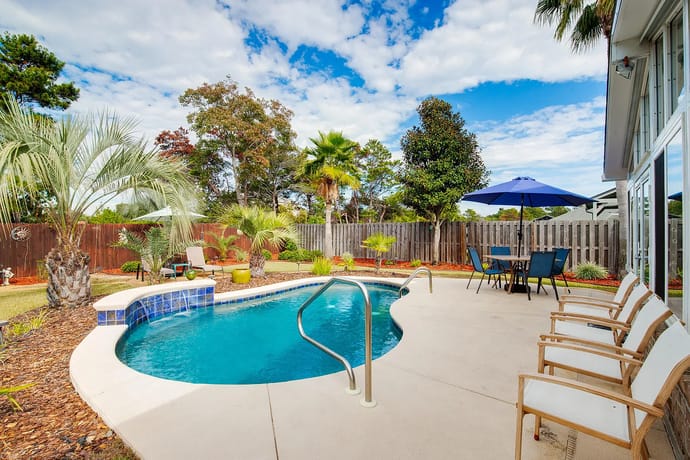
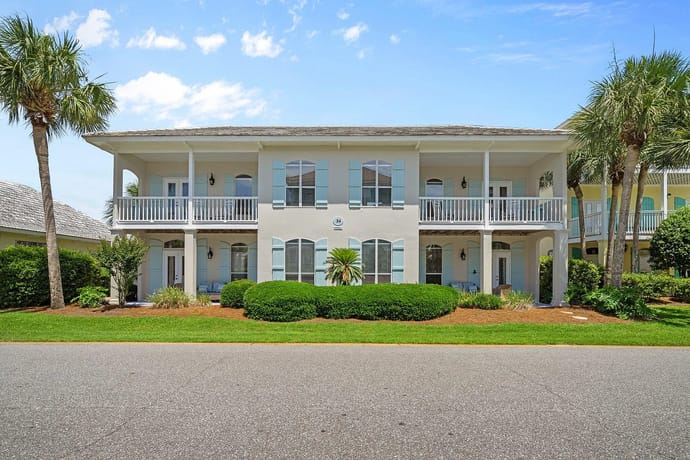
Both of our vacation rentals put you within easy reach of the Gulfarium, Crab Island, Henderson Beach State Park, and everything else across the Destin and Miramar Beach corridor. Our Miramar Beach property has 4 bedrooms, a private pool, and sleeps 8 from $225/night. Our Destin property has 3 bedrooms plus a bunk room, is pet-friendly, sleeps up to 12, and starts from $110/night. Both sit 20–25 minutes from Okaloosa Island via US-98.