Stand-up paddleboarding has quietly become one of the signature water activities on the Emerald Coast — and Destin earns its reputation. The Gulf water near Destin is genuinely exceptional for paddleboarding: unusually clear (you can see the sandy bottom from 8 feet up on your board), and calm enough most mornings to feel like paddling on glass. Behind Destin, Choctawhatchee Bay adds a protected inland water option that beginners find less intimidating and experienced paddlers use for longer expeditions. The result is a destination that works for everyone, from first-timers renting a board for an hour to people who travel specifically for the water.
This guide covers everything: the best spots for different skill levels, what to expect from rental operators, guided tours worth booking, and the practical details — flag checks, wind timing, what to wear in Florida heat — that make the difference between a great paddle and a frustrating one.

Why Destin Is a Stand-Up Paddleboarder's Dream
Most beach destinations offer paddleboarding the way they offer everything else — as a checkbox activity, available but not exceptional. Destin is different, and for specific reasons:
The water clarity is extraordinary. The Gulf near Destin gets its color from pure Appalachian quartz sand that washed down river systems over millennia. That same quartz gives the water its transparency — standing on a paddleboard in 8 feet of water, you can watch your shadow move across the sandy bottom below you. In calmer sections of the backbay, the water can be glass-clear in just 2–3 feet and every fish is visible beneath your board.
Conditions favor beginners without boring experienced paddlers. The Gulf near Destin is typically calmer than Atlantic surf beaches — particularly in summer, when prevailing winds are light and the morning Gulf is often perfectly flat until around 10–11am. Choctawhatchee Bay, the wide protected bay on the inland side of Destin, is calmer still, with almost no swell and minimal boat wake early in the morning. A beginner who can stand up on calm water can enjoy both; someone with experience can push further out into more open water or explore miles of undeveloped shoreline.
The season is long. Gulf water temperatures in Destin range from 62–65°F in January (cold but manageable with a wetsuit) to 84–87°F in August. The shoulder months — April through May and September through October — hit the sweet spot: water in the mid-70s, fewer crowds, and typically less wind than midsummer. Many paddlers specifically prefer October, when crowds drop after Labor Day and the Gulf still holds summer warmth from three months of sun. Destin water temperatures by month break down what to expect throughout the year.

Best Spots to Paddleboard Near Destin and Miramar Beach
Destin and Miramar Beach offer two very different paddling environments: the Gulf (more open, can get choppy) and the bay and backwaters (protected, calm, better for beginners and wildlife watching). Both are worth exploring.
Gulf-front paddling
- Miramar Beach and Scenic Gulf Drive — The beach in Miramar Beach west of Henderson Beach State Park tends to be less congested than the main Destin corridor, with lower motorboat traffic offshore. The water is just as clear, and on a calm morning before 9am you can paddle parallel to the shore in perfectly flat conditions. Public access points off Scenic Gulf Drive have parking and are ideal for a Gulf-front launch.
- Crystal Beach (Destin) — A quieter residential neighborhood with several public beach access points that see less boat wake than the areas near the Harbor. Good for paddling parallel to the shoreline, with easy entry from the sand. Head east or west from any of the small access ramps to cover a section of beach at your own pace.
- Henderson Beach State Park — The $6/vehicle entry fee buys you a significantly less crowded beach and slightly more protected water. Launch from the beach and paddle west or east — the water is cleaner and calmer here than near the high-rise condo stretches. Also a good choice if you want to beach your board for a swim break mid-paddle. More on Henderson Beach State Park.
Backbay and protected water paddling
- Choctawhatchee Bay (Destin back bay) — Where most local paddlers and guided tour operators go. Early morning — before 9am — the water is frequently glassy and wildlife activity peaks. Osprey, great blue herons, jumping mullet, and occasional dolphins are all common. This is the best beginner option in the area: no ocean swell, no surf zone to contend with, predictable calm conditions.
- Near Crab Island — Paddling to Crab Island from harbor-area launch points is a popular route, especially early before motorboat traffic picks up. It's roughly a 15–20 minute paddle from the harbor. Once there, you can anchor your board in 2–3 feet of crystal-clear water, wade around, and head back. Go on a weekday to avoid heavy motorboat traffic that churns up the water.
- Rocky Bayou (east of Niceville) — About 25 minutes east of Destin via US-20, Rocky Bayou off the Choctawhatchee Bay system is a quieter option for exploring secluded coastal habitat. Rocky Bayou State Park has a launch area and paddle-friendly shoreline. The mangrove-lined coves here are excellent for wildlife watching and feel genuinely remote even on busy weekends.
- Santa Rosa Sound — The narrow sound running between Santa Rosa Island and the mainland west of Fort Walton Beach is exceptionally calm and protected. More of a local route than a tourist-facing option, but if you have a car rack and want something off the beaten path, this stretch offers miles of undeveloped shoreline paddling with very little boat traffic compared to the main bay.

Renting a Paddleboard in Destin: Prices, Operators, and What's Included
Rental operators are scattered throughout the Destin and Miramar Beach corridor. Most work off the beach or out of the Harbor area; a few operate bay-side for guests who specifically want protected water. Here's what to expect:
Typical rental pricing in 2026
| Duration | Price Range |
|---|---|
| 1 hour | $25–$45 |
| 2 hours | $45–$80 |
| Half day (4 hours) | $75–$120 |
| Full day (8 hours) | $120–$180 |
Most rental packages include the board, paddle, and a Personal Flotation Device. Some include ankle leashes; ask specifically if you're paddling in the Gulf, where a leash is strongly recommended. Operators provide a brief orientation for first-timers on technique for standing up — a good one takes 5 minutes and makes the first hour much more enjoyable.
Where to find rentals
- Beachfront vendors — Multiple vendors operate directly on the beach along US-98 in Destin and Scenic Gulf Drive in Miramar Beach. You can walk from your beach towel to a board in minutes. Prices are slightly higher at peak morning hours; arriving early sometimes gets you a better rate and guaranteed availability.
- HarborWalk Village operators — Several watersports operators at the Destin Harbor rent boards and can direct you to the best bay-side launch points. Convenient if you're staying near the harbor or planning a paddle out toward Crab Island.
- Delivery and mobile rentals — A growing number of operators deliver boards to vacation rentals for a $20–40 additional fee, particularly for half-day and full-day bookings. Worth considering if your rental has beach or bay access — you avoid loading and transporting a 10-foot board in your car.
- Kayak and paddleboard outfitters — A few outfitters near the bay offer both kayaks and SUP boards. These often have better equipment quality and more duration flexibility than beachfront vendors. Also the best option if you want a stand-up-paddleboard specific experience rather than a general watersports rental.
Booking tip: Walk-up availability is fine for midweek sessions, but weekend morning slots at popular beachfront vendors fill quickly in July and August. A quick call the day before or morning of is worth it for a specific departure time in peak season.

Guided SUP Tours and Unique Experiences
If you're coming to Destin specifically for paddleboarding — or want to see more than a self-guided rental session covers — the guided tour options here are genuinely worth it. A good guide takes you to spots you'd never find independently, times the trip for peak wildlife activity, and handles logistics so you can focus on the experience.
- Backbay eco tours — The most popular guided SUP option in the Destin area. These 90-minute to 2-hour tours launch from bay-side access points and wind through mangrove waterways and undeveloped Choctawhatchee Bay shoreline. Departure is almost always at sunrise or early morning (7–9am) when water is flattest and wildlife is active. Osprey, herons, jumping mullet, and dolphin sightings are common. Prices run $45–75/person for a guided group tour, typically 6–10 people.
- Dolphin paddleboard tours — Destin Harbor has a resident bottlenose dolphin population, and some operators run morning SUP tours specifically designed to find them on the bay side. The experience is different from a motorboat dolphin cruise — you're at water level, quiet, and the dolphins sometimes approach the group. Sightings aren't guaranteed, but operators who run these tours know the feeding patterns and have good success rates. Budget $50–80/person. See our dolphin cruise guide for context on Destin's dolphin population.
- SUP yoga — Several instructors in the Destin area run paddleboard yoga sessions on the calm bay, typically at sunrise. You practice on an anchored board in 3–4 feet of water. Falling in is part of the experience and basically unavoidable. Classes run 60–75 minutes, typically $40–65/person including the board rental. Worth trying at least once if you practice yoga — the balance challenge completely changes the practice.
- Sunset tours — An evening version of the eco tour, running from roughly an hour before sunset. The light is extraordinary, temperatures have dropped from midday peaks, and the bay activity shifts as herons and egrets begin their evening hunting. Prices are similar to morning tours. Check wind conditions before booking — Destin afternoons can be windier than mornings, and a choppy bay at sunset is less enjoyable than a glassy one.
- Crab Island paddle excursions — Some operators run guided group paddles to Crab Island. Paddling out rather than boating out is a different experience — quieter, more physical, and you arrive with a sense of having earned it. Usually 2–3 hours total including time at the sandbar. These sell out on summer weekends; book a day or two ahead.

Conditions, Safety, and Beginner Tips
The Destin area is generally forgiving for beginners, but a few things separate a great SUP session from a frustrating or unsafe one:
Check conditions before you launch
- Check the beach flag system before paddling the Gulf. Double red means the water is closed — no exceptions. Single red means high surf and currents; stay on the bay side. Purple flag means dangerous marine life in the water. The flags update throughout the day and are posted at every beach access point. Destin beach safety guide covers the full system.
- Check the wind forecast. Wind is the bigger enemy for paddleboarders than waves. An offshore wind (blowing from shore toward the Gulf) can push you out faster than you can paddle back in — this is how paddlers get into trouble. Even 10–15 mph that feels manageable on shore can be powerful once you're out of the lee of the beach. Check Weather.gov or Windy.com for the Destin area before you go. When wind exceeds 10 mph, move to the bay or stay close to shore.
- Go early. Both the Gulf and the bay are calmest from sunrise to about 10am. Summer afternoon sea breezes in Destin typically kick in around noon–2pm, making conditions noticeably choppier. An 8am paddle can be glass; a 3pm paddle on the same day can be difficult enough to make standing up frustrating.
For first-timers
- Start on the bay, not the Gulf. No surf zone, no swell, no worrying about waves. Choctawhatchee Bay gives beginners a true flat-water experience to practice standing, balance, and turning without any ocean variables introduced.
- Start kneeling. Getting your balance and paddle technique sorted while kneeling before standing is far more efficient than trying to pop straight to your feet. The board is more stable than it looks once you stop rushing to stand.
- Choose the right board. Wide foam soft-top boards (10’6”–11’, 32–34” wide) are significantly more stable for beginners than narrow inflatable performance boards. When renting, ask for the widest, most stable board available. Most beachfront rental fleets stock beginner-friendly boards, but it's worth asking specifically.
- Wear a leash on the Gulf. An ankle leash keeps your board attached if you fall. Without one, a wave can carry a 10-foot board 30 yards in seconds — away from you, and potentially into other swimmers. Most operators include leashes; double-check before you launch.
What to wear
In Florida's heat, the primary concern is sun exposure, not cold. May through September: board shorts and a rash guard (protects shoulders and back from sun far better than sunscreen alone on reflective water), water shoes optional but useful for bay-side launches where the bottom can be muddy or rocky. September through November: the water stays warm but a rash guard is still smart. December through February: a 2mm wetsuit top is worth having when Gulf temps drop below 65°F. Apply and reapply SPF 50+ sunscreen — at water level with reflective Gulf water, sun exposure is significantly higher than it feels in the air.
Stay at Our Rentals — Your Paddleboarding Base Camp
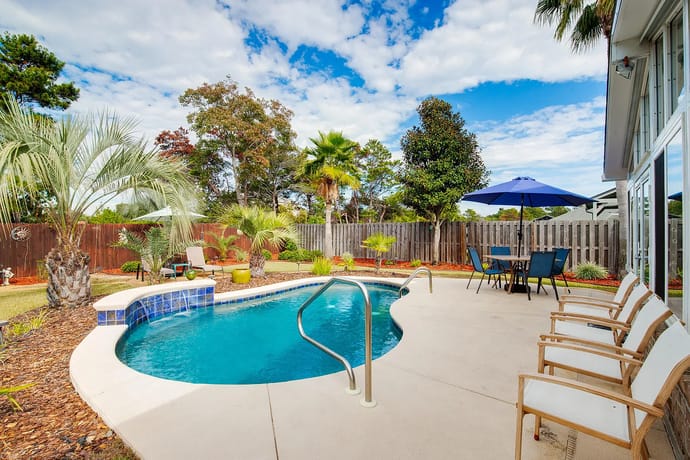
Our Miramar Beach property sleeps 8 across 4 bedrooms and includes a private pool — a short walk from Gulf beach access points along Scenic Gulf Drive, and convenient to bay-side launch spots for early morning paddles. Starting from $225/night.
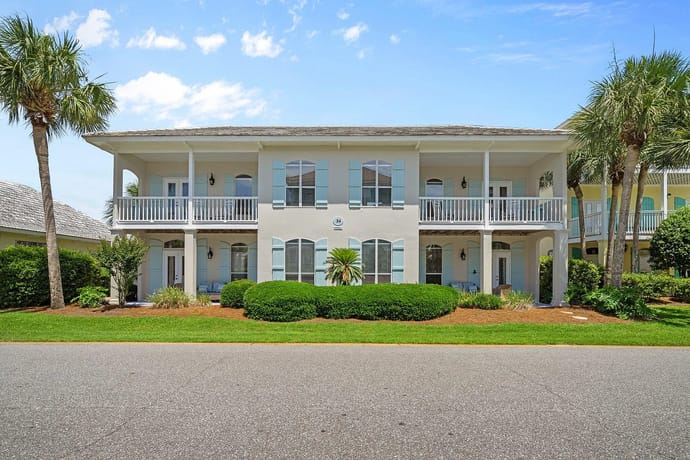
Our Destin property sleeps up to 12 and is pet-friendly, with easy access to both the HarborWalk area and Crystal Beach Gulf launches. Priced from $110/night — especially good value for groups of 6 or more splitting one or two half-day board rentals.