It happens to almost everyone who visits Destin. By day three, you're quietly calculating mortgage payments instead of finishing your book on the beach. The emerald water, the relaxed pace, the sunsets over the harbor — it all starts to feel like a place you could actually belong to, not just borrow for a week.
The honest truth: people do live here permanently, and many of them love it deeply. But full-time Destin looks completely different from vacation Destin. This guide covers the real picture — what the cost of living actually runs, which neighborhoods work for year-round residents, what the job market looks like, and what the downsides are that no real estate listing will tell you.
Year-Round Destin vs. Vacation Destin
The Destin most visitors see exists roughly from Memorial Day through Labor Day — packed beaches, 45-minute waits at dinner, $30 beach chair rentals, and US-98 moving at 8mph. That version of Destin is real, but it's not the version people who actually live here inhabit most of the year.
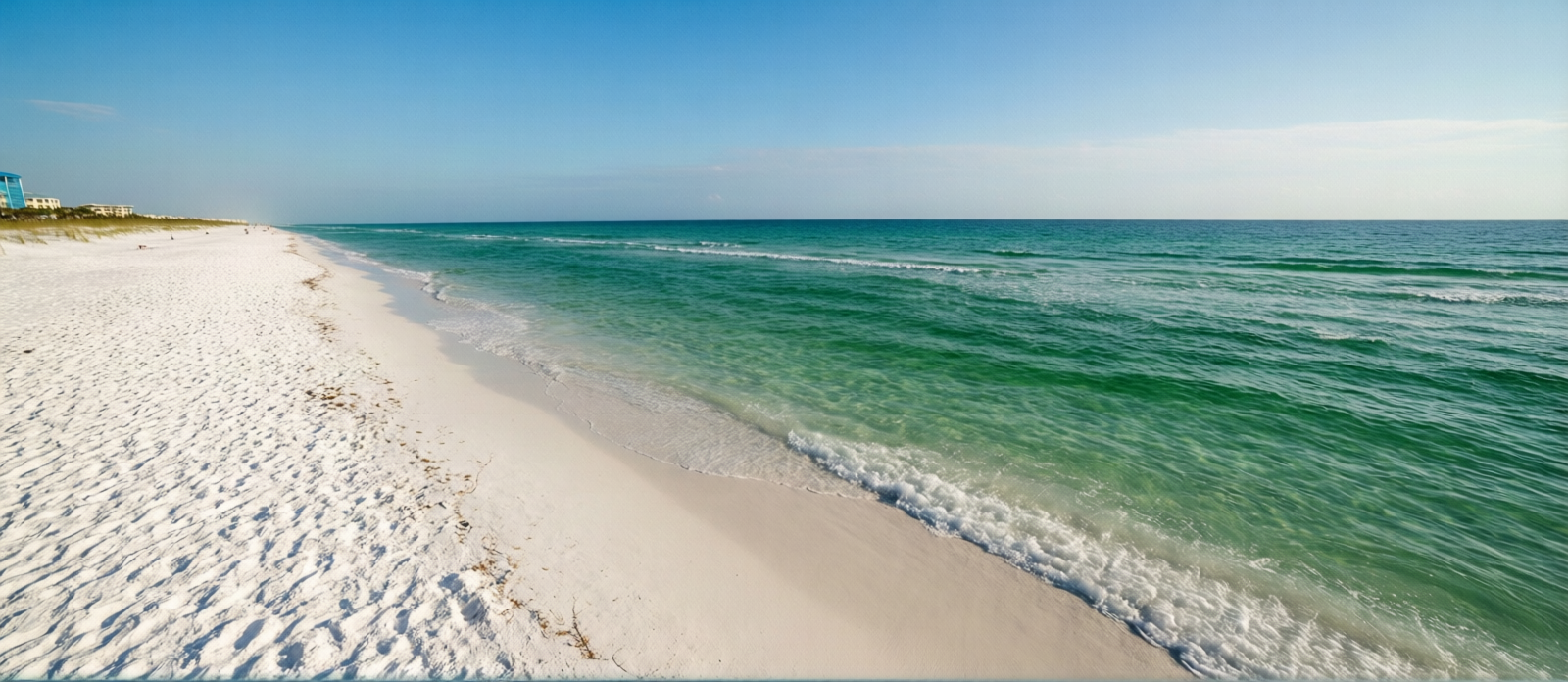
From October through April, the Emerald Coast transforms. The beaches clear out — sometimes genuinely empty on a Tuesday in January. Restaurants are easy to walk into, locals reclaim their regular tables, and the Gulf turns a deeper blue-green as the water cools into the 60s. The weather from October through May is arguably the area's best-kept secret: highs in the 60s and 70s, low humidity, clear skies, the occasional cold front that makes it feel like a real season change. Zero tourists.
Locals call it "second season" — and it's the real reason so many people who visited once end up staying. You get the scenery without the chaos, and the community that emerges when the rental crowds leave is genuinely warm. Neighbors actually know each other. Restaurants run locals-only specials. Charter captains who were booked solid in July have open dates in November and will actually have a conversation with you.
That said: some businesses close or cut hours significantly between November and February. A restaurant you loved on vacation might be shuttered in January. The smaller, more local-focused places tend to stay open year-round; the bigger tourist-facing operations don't always. Learning which is which takes a season or two.
The Real Cost of Living in Destin
Destin is not cheap to live in — let's get that out of the way up front. But the financial picture is more nuanced than the sticker shock suggests, and there are real offsets that make it more viable than it first appears.
Housing: A modest 3-bedroom single-family home in Destin proper or Miramar Beach runs $500,000–$750,000. Condos start lower — $300,000–$500,000 — but HOA fees in larger complexes run $500–$1,200/month. Move inland or east toward Fort Walton Beach (about 20 minutes) and prices drop substantially: 3-bedrooms start in the $275,000–$375,000 range. In Niceville, mid-$200,000s are realistic for a solid home near good schools.
Flood insurance: If your property sits in a FEMA Special Flood Hazard Area — and a lot of coastal Destin and Miramar Beach does — budget $1,500–$4,000/year for flood insurance on top of homeowner's coverage. Get the flood zone designation and an insurance quote before you fall in love with a property.
No state income tax: Florida's biggest financial advantage. Coming from California (13.3% top rate), New York (10.9%), or Illinois (4.95%), the savings are substantial — enough to meaningfully offset higher housing costs over time. This is a real number, not marketing language.
Utilities: Electric bills in summer are significant. Running central AC from May through October in a Florida house costs real money — budget $200–$350/month for a typical home in peak cooling season. Most homes are all-electric, and water bills are modest.
Groceries & everyday costs: Publix is the dominant grocery chain and priced reasonably. There's a Trader Joe's in Fort Walton Beach and a Whole Foods in Miramar Beach. Dining out is roughly comparable to a mid-sized metro — a good waterfront seafood dinner runs $20–$35 an entree. Happy hour deals October through April at local spots can be excellent value.
Best Neighborhoods for Full-Time Residents
Not all of greater Destin is equal for year-round living. Here's an honest breakdown of the main areas and who each suits:
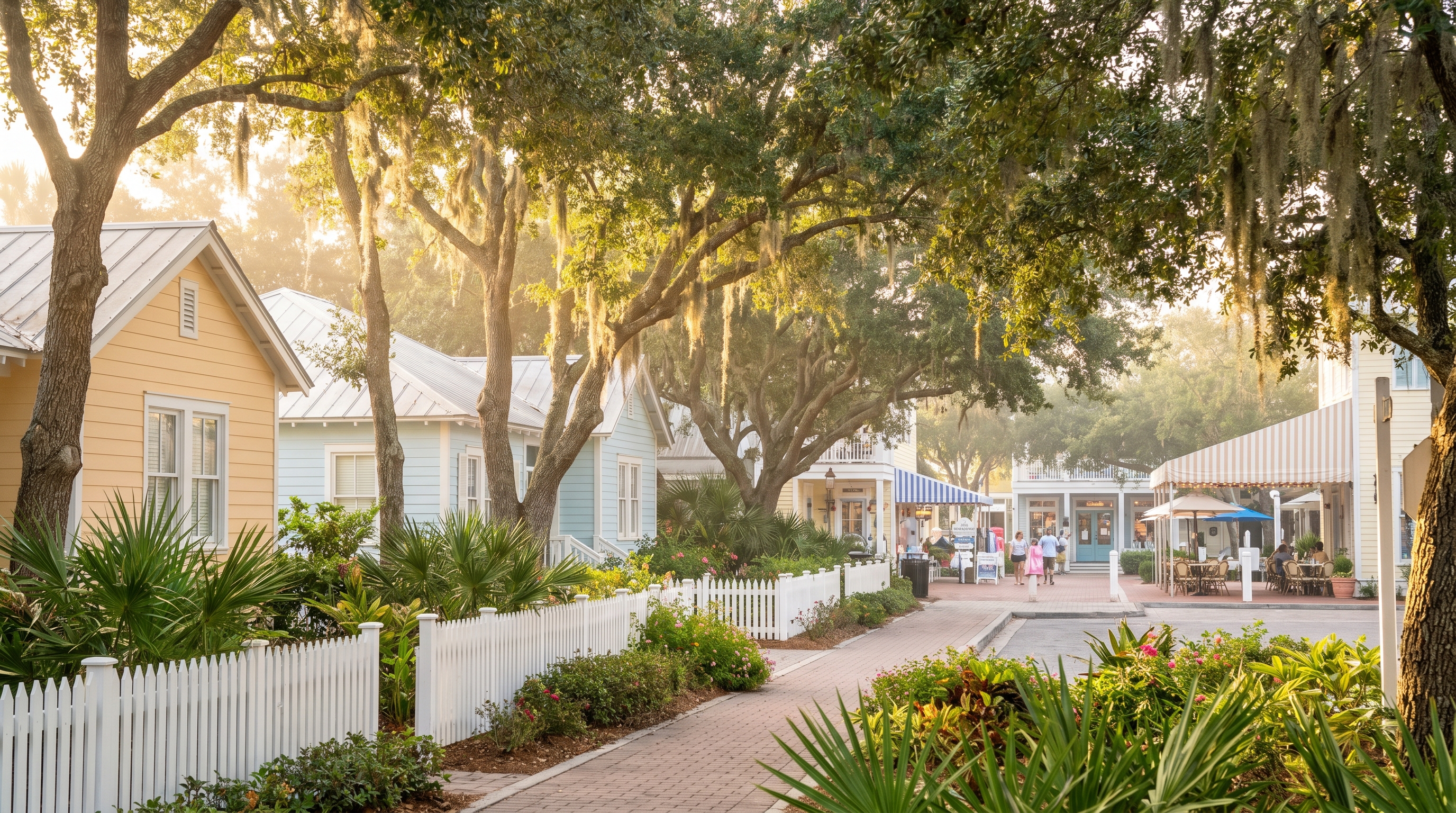
- Crystal Beach (Destin East): The oldest, most established residential neighborhood in Destin, running along the Gulf near Henderson Beach State Park. A mix of classic Florida beach cottages and newer builds. Walkable, tight-knit community feel, close to the water. You'll pay a premium, and summer traffic on US-98 in this stretch can be brutal.
- Miramar Beach: Slightly west of Destin proper (Walton County jurisdiction) with a more residential feel than Destin's tourist core. Baytowne Wharf at Sandestin is in this corridor. Prices are a touch lower than comparable Destin addresses. Quieter off-season, excellent access to beaches and dining. Our vacation rentals are in Miramar Beach — it's genuinely liveable year-round.
- Fort Walton Beach: A real city (pop. ~25,000) about 20 minutes east of Destin on US-98. Diverse, affordable, with a functioning downtown and less tourist traffic than Destin in summer. Okaloosa Island's beaches are a short drive. This is where many of the people who "live near Destin" actually live.
- Niceville / Bluewater Bay: About 30 minutes from the beach via US-85 but one of the best-kept secrets in the area. Quiet, affordable, top-rated Okaloosa County schools, and Bluewater Bay has golf, tennis, and bay access. Hugely popular with Eglin AFB and Duke Field personnel who want great schools over beach proximity.
- Shalimar / Mary Esther: Small, quiet communities on Choctawhatchee Bay between Destin and Fort Walton Beach. Older character, decent waterfront options at lower prices, and a strong military community. Not glamorous, but genuinely liveable with good access to both the bay and the Gulf.
- Freeport / Santa Rosa Beach area: Further inland (45+ min to Destin beaches), but some of the best value around — $250,000–$400,000 buys a real 4-bedroom home with a yard. Popular with remote workers and military families who want the broader lifestyle without the full coastal premium.
Jobs, Economy & Making a Living Here
The Destin–Fort Walton Beach economy runs on three main engines: tourism and hospitality, the military, and real estate. Which lane you're in shapes almost everything about how financially viable full-time life here is.
Tourism & Hospitality: The dominant private employer. Hotels, restaurants, charter fishing, vacation rental management, retail — there's consistent employment, but wages in frontline hospitality aren't high, and the seasonal swing creates real income variability. Management and operations roles in larger hotel groups or rental management companies pay reasonably well.
Military: Eglin Air Force Base and Hurlburt Field are massive economic anchors. Active duty, reserve, and civilian DoD workers find the area very liveable — housing allowances are reasonable, commissary access helps, and base services fill gaps the civilian economy doesn't. Veterans and DoD contractors find consistent employment nearby.
Real Estate: The market has been consistently strong. Agents, mortgage brokers, property managers, short-term rental management companies — there's a robust real estate services economy here. If you have a license and hustle, this area can be quite lucrative.
Remote Work: The single biggest change in the Destin residential market over the last five years. A meaningful share of the full-time population now works remotely in tech, finance, marketing, or other knowledge work. Fiber internet (gigabit from AT&T and Brightspeed) is available throughout most of Destin and Miramar Beach. If your income travels with a laptop, Destin becomes dramatically more viable.
Healthcare: Fort Walton Beach Medical Center (HCA Healthcare) is the main hospital. There's a growing outpatient and specialist clinic scene, and healthcare professionals — especially RNs and allied health workers — are in steady demand.
The Honest Downsides of Living in Destin
Every place worth living has trade-offs. Destin's are real and worth knowing before you commit to a move:
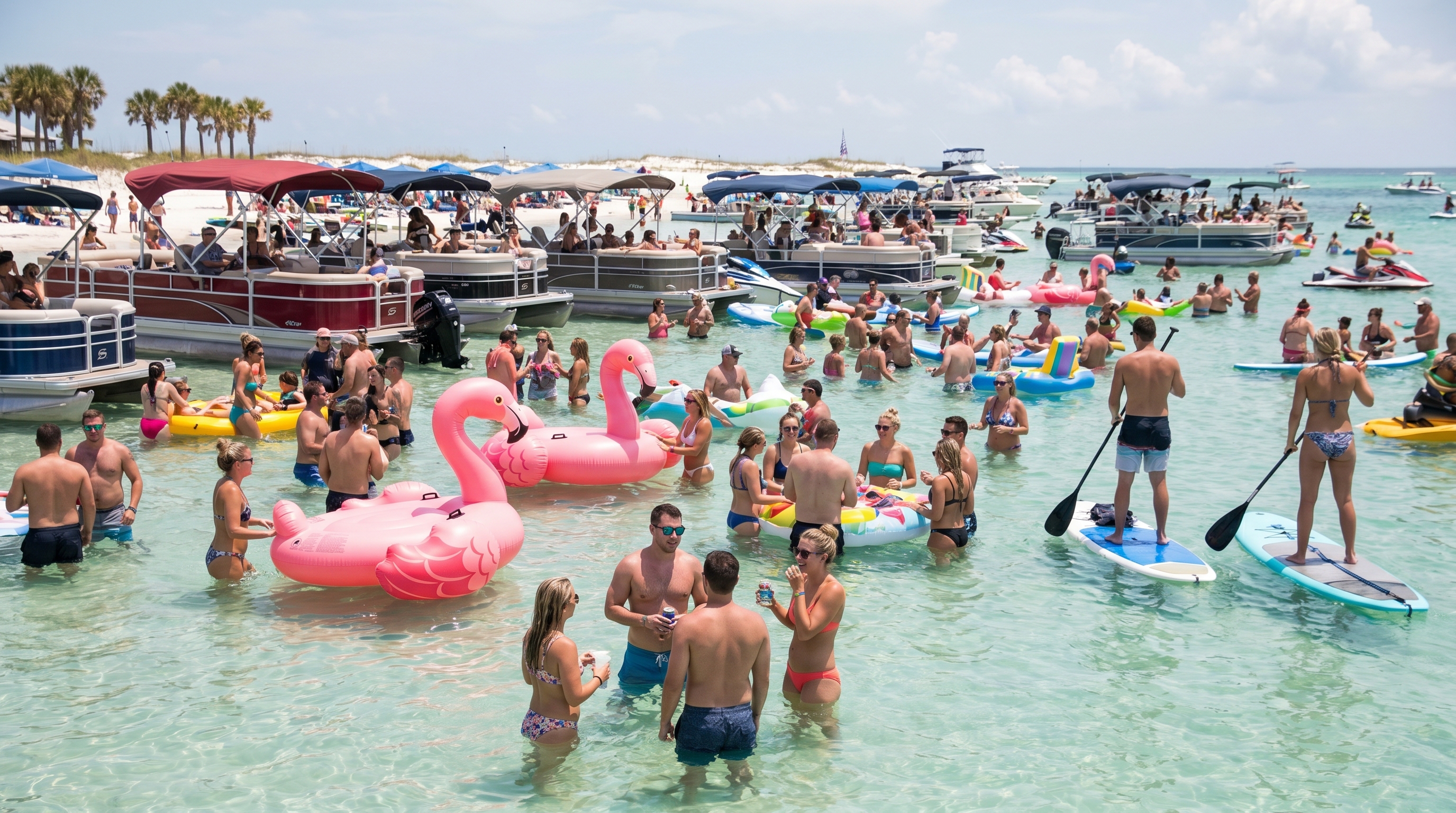
- Summer traffic is genuinely painful. US-98 — the main east-west corridor through Destin — becomes a parking lot from late May through August. A 10-minute errand can turn into 35 minutes on a Saturday afternoon in July. Locals learn the neighborhood shortcuts and time their errands around tourist patterns. The Mid-Bay Bridge (a toll road via Niceville) bypasses the worst of it.
- Hurricane risk is real, not hypothetical. Hurricane Michael (2018) destroyed much of the eastern Panhandle and caused serious damage in parts of this area. Any coastal Gulf home needs a real hurricane plan: impact windows or shutters, a generator, fuel reserves, and evacuation routes memorized. Flood and wind insurance costs reflect this risk.
- The heat and humidity last longer than you expect. May through October is hot and humid — real humidity, the kind that makes 90°F feel like 105°F. Outdoor activities get pushed to early mornings and evenings June through September. People from the Northeast or Midwest adapt over time, but the first summer is a genuine adjustment.
- Off-season can feel isolating. Some businesses close entirely November through February. Some people who moved here for the lifestyle discover by February that the quietude tips from peaceful into lonely. Others love every second of it — know which type you are before you move.
- Tourist-calibrated prices. Destin's service economy is priced for vacation budgets, not local wages. There's a persistent disconnect between what hospitality workers earn and what local costs demand — a tension that shapes the community in ways worth understanding before you join it.
- Healthcare has limits. Complex or rare conditions require travel to Pensacola, Tallahassee, or a major metro. If you have significant ongoing healthcare requirements, build this into your calculations carefully.
Try It Before You Buy It
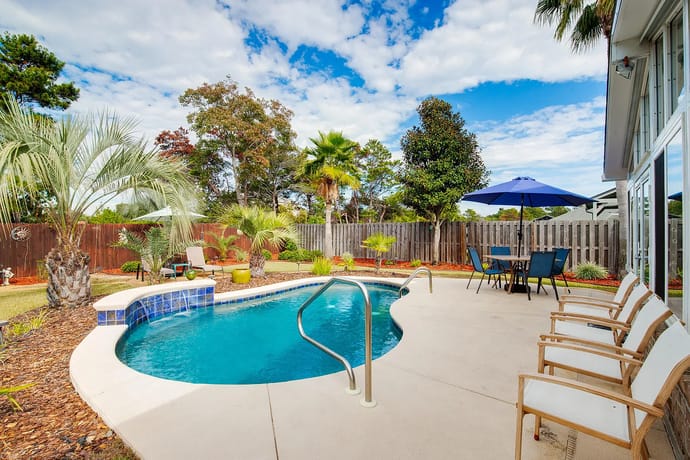
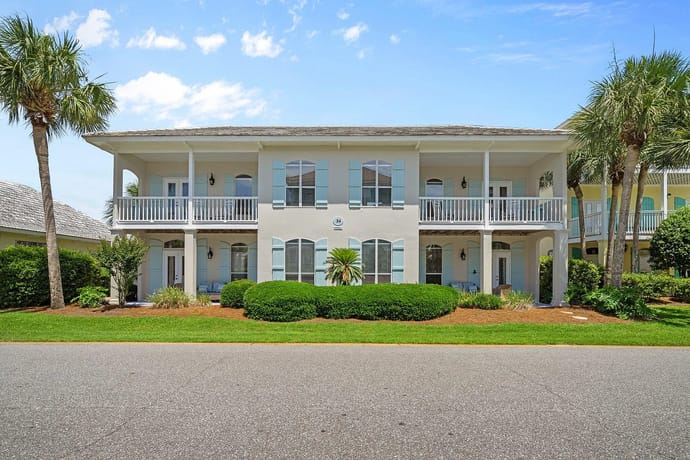
The smartest thing you can do before committing to a permanent move is spend a month here — not a week. Our Miramar Beach rental has 4 bedrooms, a private pool, sleeps 8, and starts from $225/night. It's popular for extended trial stays: a month in January to experience the off-season quiet, or a full summer to test whether you can handle the crowds. Our Destin property — 3 bedrooms plus a bunk room, pet-friendly, sleeps 12, from $110/night — works well for larger families doing the same research.
A month-long stay costs a fraction of a move that doesn't work out. It's the best investment you can make before deciding.