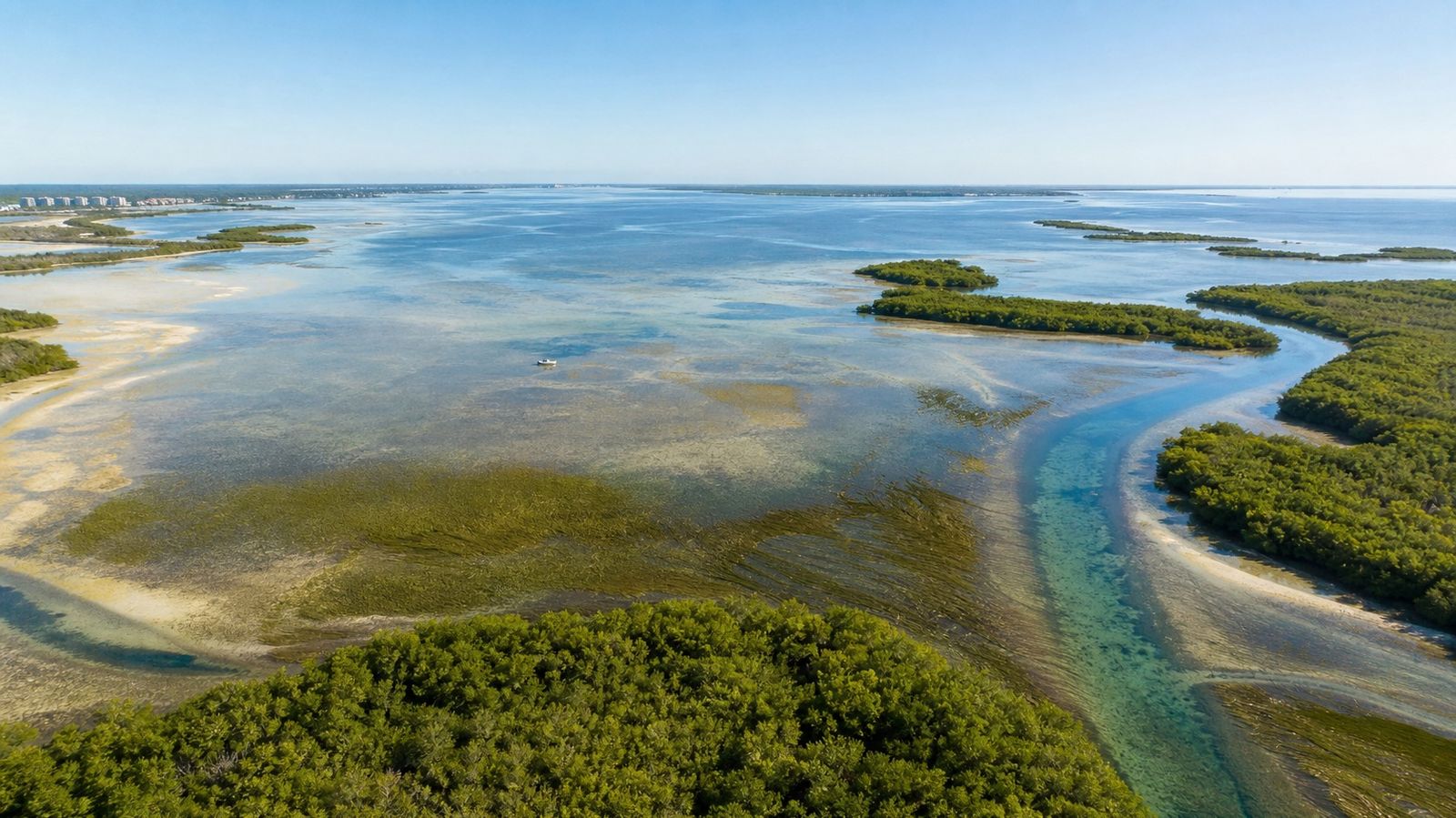
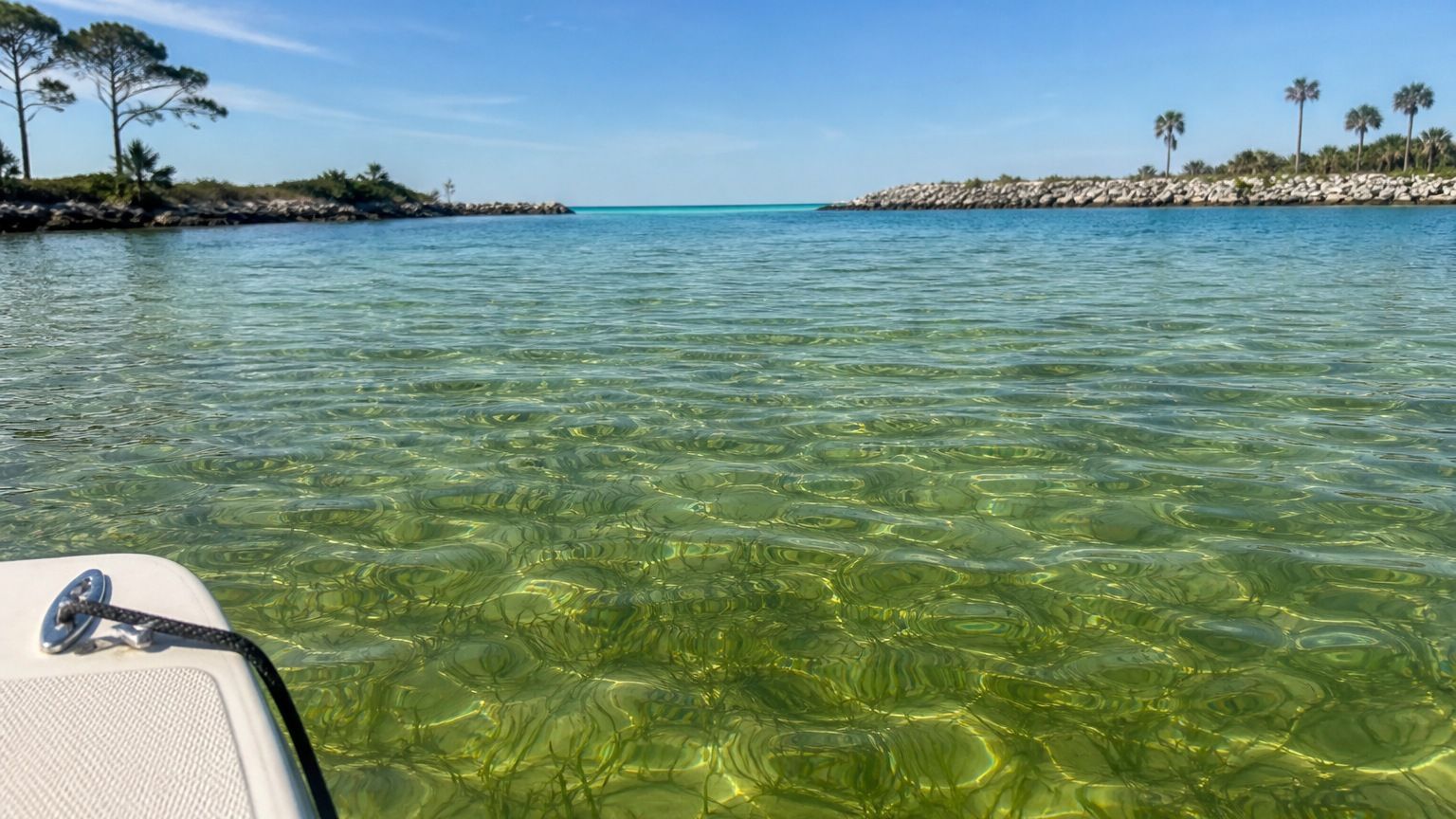
Destin's reputation runs on deep-sea fishing — offshore grouper, amberjack, red snapper — but right behind the beach, Choctawhatchee Bay holds a completely different fishery that most visitors never discover. The bay is one of the largest and most productive estuaries on the Florida Panhandle: 130,000 acres of grass flats, oyster bars, mangrove edges, and tidal creek systems that harbor redfish, speckled trout, flounder, sheepshead, and pompano year-round.
Inshore fishing here is both accessible and productive. You can hire a local guide for a half-day on the flats, fish from a kayak in the bayous, or cast from the shore at the East Pass jetties. This guide covers everything: the species, the spots, the charter options, and the practical details of licenses and regulations so you're not caught off-guard.
What Is Inshore Fishing and Why Destin Is Perfect for It
Inshore fishing targets species that live in nearshore coastal waters — bays, estuaries, tidal creeks, grass flats — generally in water under 30 feet deep. You're not going miles offshore in a large vessel. You're working the structure and shallows in a small flat-bottomed skiff, a kayak, or from shore.
The difference from deep-sea fishing is significant in practical terms. Inshore trips are shorter, the water is calmer (less seasickness risk), boats are smaller, and the experience is quieter and more technical. You're sight-fishing for redfish tailing in 18 inches of water or feeling the tap of a flounder on a soft plastic jig — not battling the open Gulf on a charter vessel with 20 other anglers.
Destin is ideally positioned for inshore fishing because of Choctawhatchee Bay. The bay stretches more than 30 miles east to west behind the barrier island where Destin sits, with extensive grass flats in its shallow eastern reaches, mangrove-lined bayou systems draining from the north, and the critical East Pass inlet connecting bay to Gulf. That pass creates strong tidal flow that concentrates bait and predators alike — it's some of the most productive fishing water on the Panhandle.
- Year-round fishery. Unlike some offshore species with strict seasonal closures, the core inshore species in Choctawhatchee Bay are available year-round, with seasonal peaks that shift the target species rather than shutting down fishing entirely.
- Good for beginners and experienced anglers alike. Inshore fishing with a guide on the bay is very accessible for first-timers — lighter tackle, easier casting conditions, no rough water. It's also technically demanding enough to keep experienced anglers engaged when they're trying to sight-fish tailing redfish on a flat.
- No boat required. You can access productive inshore water in Destin from a kayak, by wading the grass flats, or from shore access points like the East Pass jetties and the Crystal Beach fishing pier. A rental kayak or a pair of wading boots is enough to get started.
- Excellent table fare. Redfish, speckled trout, and flounder are all excellent eating fish. If you keep your legal limit and clean it the same day, you can have a genuinely fresh Gulf Coast seafood dinner at your vacation rental that night.
Target Species: Redfish, Speckled Trout, Flounder, and More
Choctawhatchee Bay hosts a genuinely diverse inshore fishery. Here are the primary target species, what to expect from each, and when they peak:
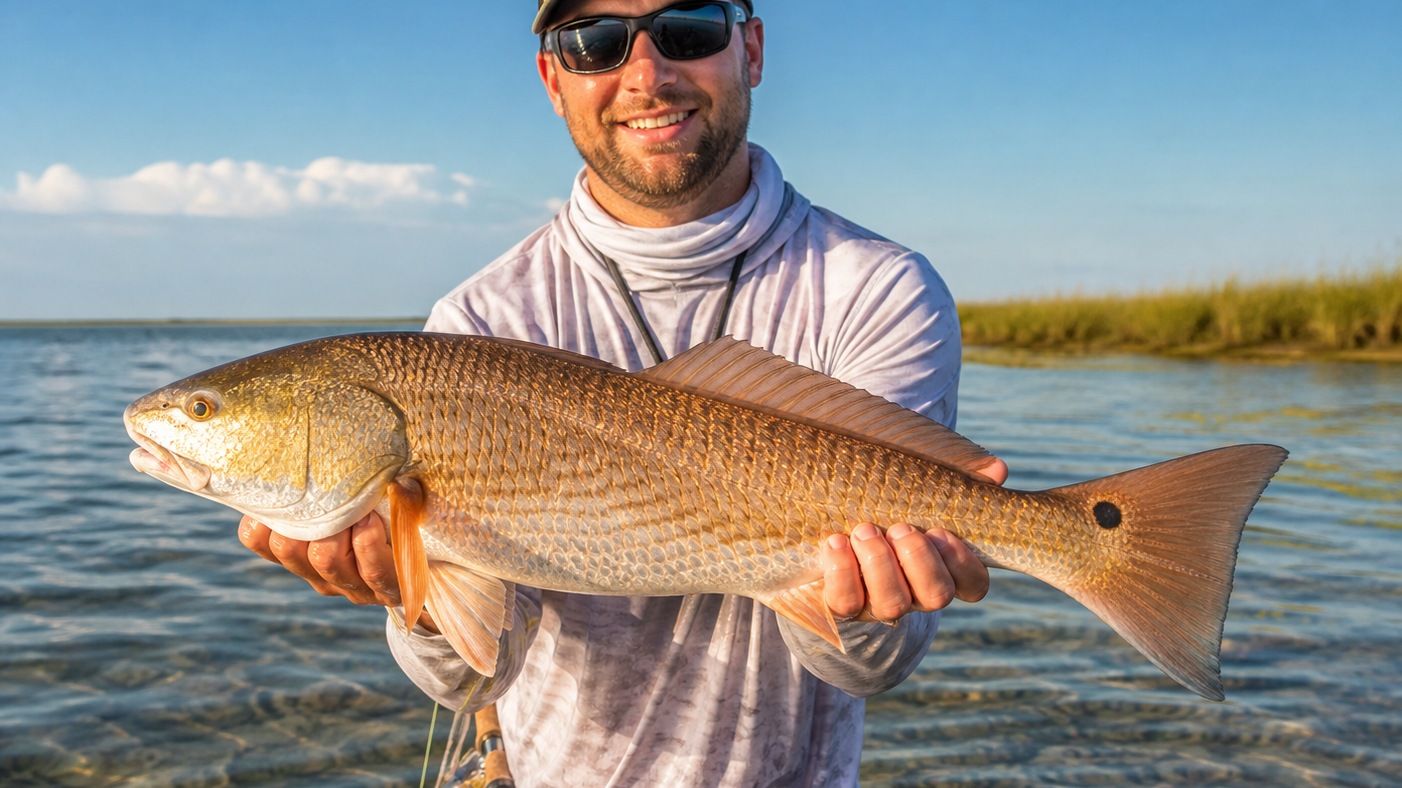
- Redfish (Red Drum) — The top target for most inshore anglers in the Destin area. Redfish are copper-colored, aggressive, and powerful — a 20-inch fish on light tackle will strip drag. They're found on grass flats, around oyster bars, and at the edges of tidal creeks. The Florida slot limit is 18–27 inches, one fish per person per day. Peak season: September through November when fish school up in large numbers in the bay shallows. You can sight-fish tailing reds in as little as 12 inches of water during low tide in fall — one of the most exciting experiences in inshore fishing. Present year-round, but fall is peak.
- Speckled Trout (Spotted Seatrout) — The most popular inshore species for eating. Speckled trout are slender, spotted, and fight hard on light line. They hold over grass flats in 2–6 feet of water and respond well to topwater lures early in the morning and soft plastic jigs during the day. Florida minimum size is 15 inches with a 10-fish bag limit. Best seasons: spring (March–May) and fall (September–November). Summer morning fishing can be excellent before Gulf water temperatures peak and fish push deeper.
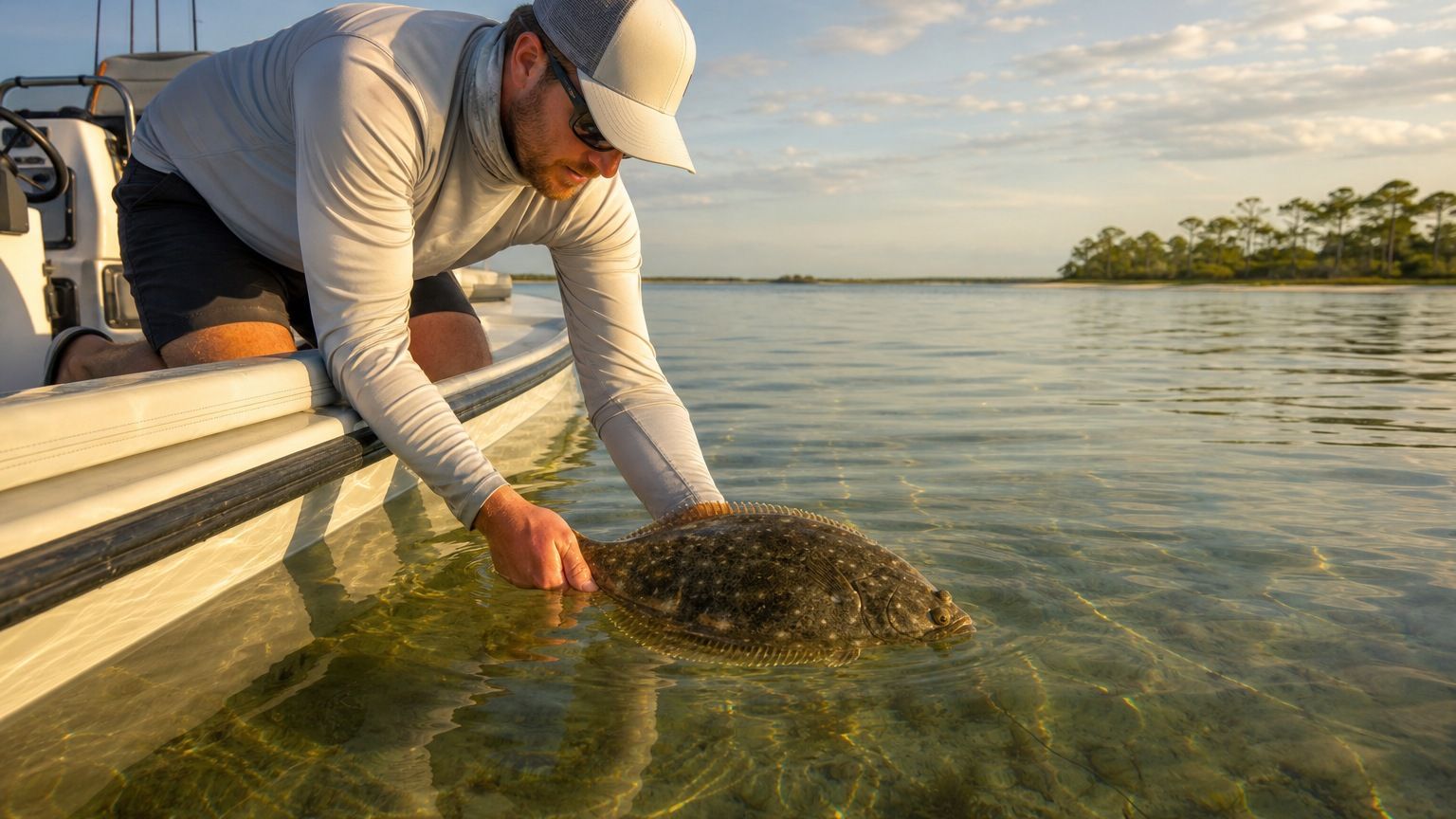
- Flounder — Flatfish that lie camouflaged on sandy and soft-bottom areas waiting for prey. Regarded by many as the best-tasting inshore fish in Florida. They tend to sit in ambush near structure and channel edges. The fall flounder migration (August–November) concentrates fish in tidal channels as they move toward deeper winter habitat — this is when flounder fishing peaks. Important: Florida closes flounder season October 15 – November 30 each year to protect the spawning migration. Check current FWC rules before targeting flounder. Minimum size: 12 inches.
- Sheepshead — Black-and-white striped fish that congregate around hard structure: dock pilings, bridge supports, oyster bars, and jetty rocks. Excellent eating with sweet, firm white flesh. The challenging part is the bite — sheepshead are notorious bait stealers, and detecting their subtle pickup takes practice. Best in winter and early spring (December–March) when they concentrate in warmer bayou creeks and around structure. Minimum size: 10 inches, 15-fish bag limit.
- Pompano — Fast, hard-fighting schooling fish found in sandy-bottom areas, passes, and beach surf. One of the best eating fish on the Gulf Coast. They move through quickly during migrations but when you find a school, the action can be non-stop. Best in spring (March–May) and again in fall (October–November). Often targeted by surf casters at Crystal Beach with fiddler crabs or sand fleas.
- Mangrove Snapper — Found around dock pilings, bridge fenders, and any hard underwater structure. Wary, light-tackle targets that require finesse fishing with small hooks and light leader. Available year-round with a 10-inch minimum size. Excellent pan-fried. Common around the dock structures in Destin Harbor and along the bay bridges.
Best Inshore Fishing Spots Near Destin and Miramar Beach
Choctawhatchee Bay is large — 130,000 acres — so knowing where to focus makes a significant difference. These are the areas that local guides and experienced bay anglers return to consistently:
- East Bay Grass Flats (Rocky Bayou area) — The eastern sections of Choctawhatchee Bay, particularly around Rocky Bayou State Park in Niceville, hold some of the most productive grass flat fishing in the region. Redfish and speckled trout work these flats throughout the year. Water depth runs 1–4 feet at low tide — perfect for sight-fishing. A shallow-draft skiff or a kayak accesses this water easily.
- Destin East Pass — The inlet connecting the Gulf of Mexico to Choctawhatchee Bay is a fish magnet. Strong tidal current pushing through the pass concentrates bait and predators. Redfish, flounder, sheepshead, and even cobia move through the East Pass on tidal changes. Fish the incoming tide in the morning on the bay side of the pass and the outgoing tide on the Gulf side.
- East Jetty / Crystal Beach Area — The rock jetties flanking the East Pass are arguably the best shore fishing in the Destin area. Sheepshead swarm the rocks, flounder hide in the sandy edges, and redfish and pompano move through on tidal surges. Fish an incoming tide for the best action. No boat required — walk the jetty and work the rocks and cuts. Bring polarized sunglasses to spot fish before you spook them.
- Crab Island Outskirts — The waters around Crab Island hold trout and redfish in the grass and sandy-bottom edges, especially on early morning or late afternoon visits before or after the boat traffic peaks. A kayak out there before 8am is very different from the midday pontoon party scene.
- Boggy Bayou (near Niceville) — The bayou system north of Niceville feeds into the eastern bay. Mangrove-lined edges and protected waters make this a productive spot for redfish and trout in a quieter, more natural setting. About 25 minutes from Destin via US-98 to SR-20 north.
- Bay Bridges — The US-98 bridge over Choctawhatchee Bay and structures along US-20 hold sheepshead, mangrove snapper, and redfish around the pilings. Bridge fishing is accessible without a boat in some areas — look for bank access near bridge approaches.
- Crystal Beach Surf — The open Gulf beach along Crystal Beach Drive is productive for pompano surf fishing in spring and fall. Use sand fleas, fiddler crabs, or Fishbites artificial bait in the second sandbar break. Early morning and late evening are the productive windows.
Inshore Fishing Charters: What to Book and What to Expect
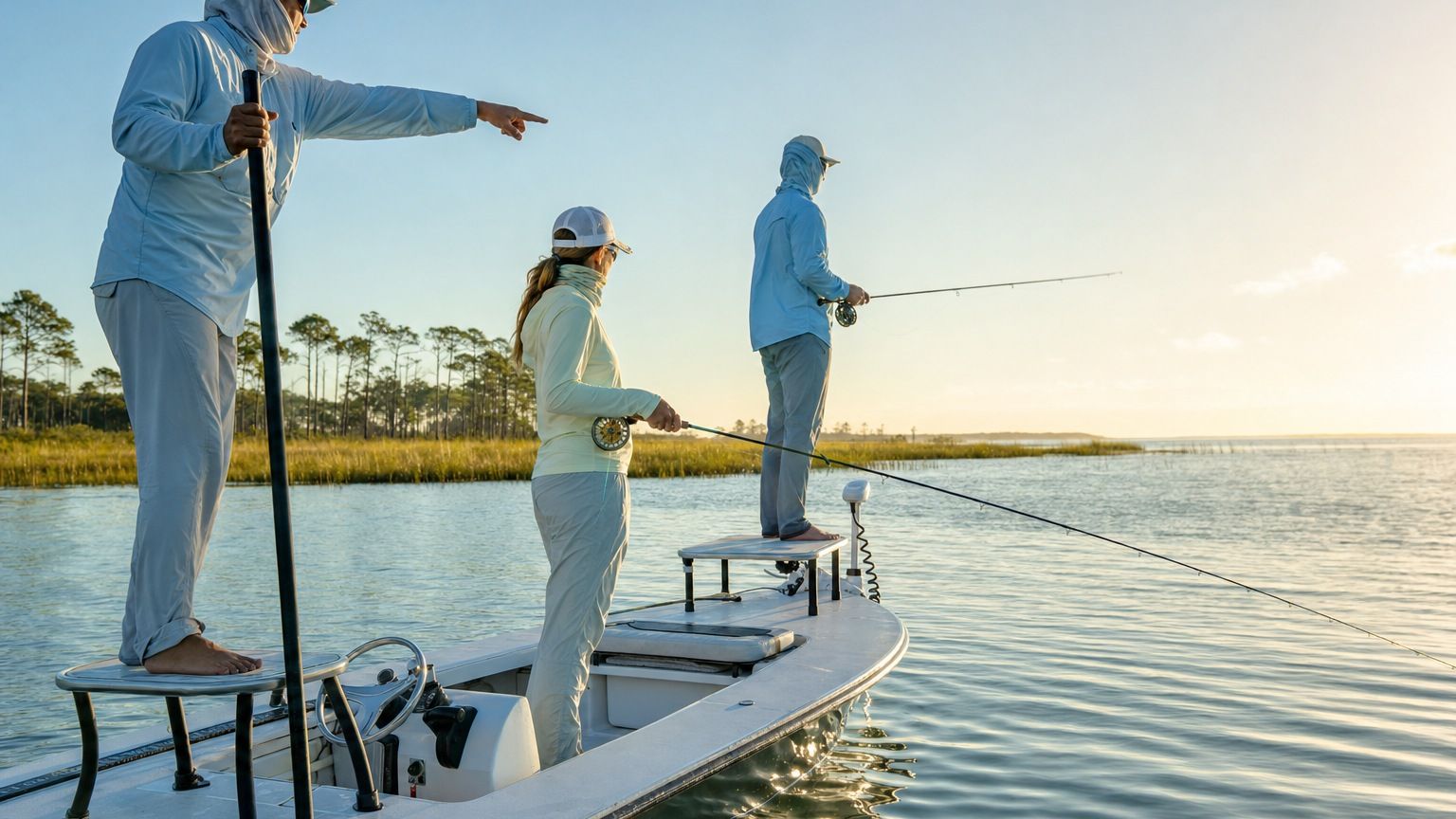
A guided charter is the most efficient way to access the best inshore fishing in Choctawhatchee Bay — especially on a first visit when you don't know the tidal patterns, the current grass flat locations, or which bayou arms hold fish in a given season. Local inshore guides know this water at a level that takes years to develop.
- Half-Day Charter (4 hours) — The standard inshore trip. Departs early morning (6–7am), works grass flats and structure for prime-time feeding windows before afternoon heat sets in. Typically targets redfish, trout, and whatever species is most active that week. Capacity is usually 2–4 anglers on a flats skiff. Cost: $350–$550 for the boat — not per person, so a group of 2–4 splits the total. This covers tackle, bait, and the captain's license. You provide your own Florida Saltwater Fishing License.
- Full-Day Charter (8 hours) — Better for serious anglers, larger groups wanting more time, or when you want to cover multiple spots and species. More opportunity to wait out tidal windows and try different techniques. Cost: $600–$900 for the boat. Worth the extra investment if everyone in the group is a committed angler rather than first-timers trying it once.
- Redfish Sight-Fishing Trips — Several local captains specialize in sight-fishing for redfish on the grass flats — poling the skiff quietly across shallow water and casting to visible tailing fish. This is the most technical and exciting form of inshore fishing here. Best September through November. Ask specifically about sight-fishing when booking if this is what you want — it requires some casting ability.
- Finding Good Captains — Destin's inshore guide community is smaller and more specialized than its offshore fleet. Look for captains on the Destin Fishing Rodeo website, local Facebook fishing groups (Destin Area Fishing, Okaloosa Fishing), or well-reviewed charter listings on FishingBooker and TripAdvisor. Prioritize captains with specific Choctawhatchee Bay experience over generalist offshore captains who do occasional inshore work.
- What to Bring — Polarized sunglasses (essential for seeing fish in shallow water), SPF 50+ sunscreen, light layers for the early-morning bay chill (even in July, the bay at 6am is noticeably cooler than noon), a cooler with ice if you plan to keep fish, and a valid Florida Saltwater Fishing License.
- Booking Advice — Book 2–4 weeks ahead during peak summer. The fall redfish season in September and October books up especially fast — returning anglers who know how good it is reserve spots months in advance. Spring and early summer have more same-week availability. Holiday weekends (July 4th, Labor Day) are always tight.
DIY Inshore Fishing: Gear, Kayaks, and Shore Access
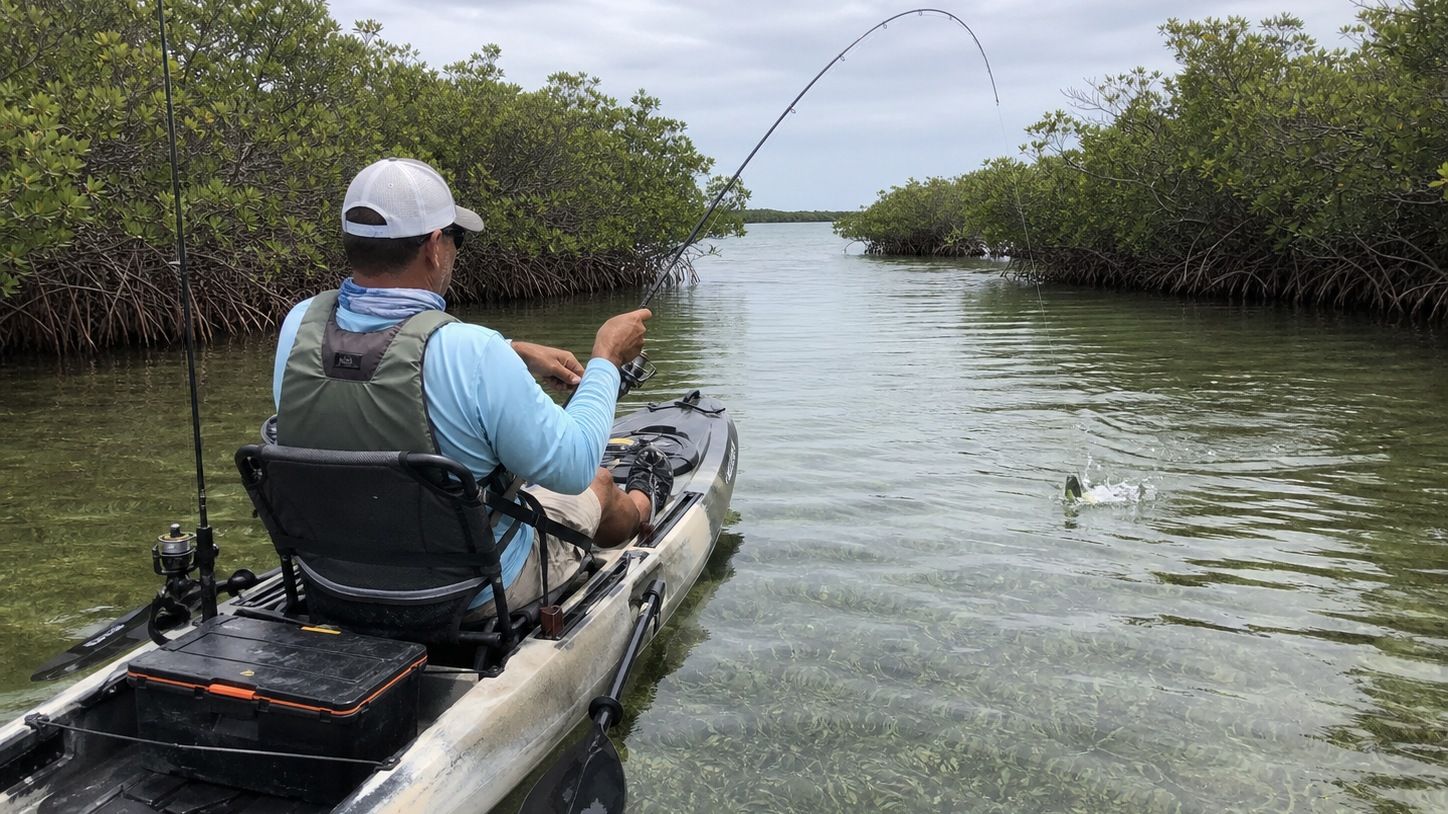
You don't need a charter to access inshore fishing in Destin. Kayak fishing, wade fishing, and shore access at the jetties and fishing pier are all productive and significantly cheaper than a guided trip. Here's how to set yourself up:
- Kayak Fishing — A fishing kayak accesses shallow grass flats and tidal creeks that even a small skiff can't reach. Get Up And Go Kayaking (bay-side) has sit-on-top kayaks available with rod holders for fishing trips. Plan an early-morning paddle out to the grass flat edges east of the East Pass. Rental rates run $30–$60 for a half-day depending on kayak type. A basic bow anchor and a small cooler with ice complete the setup.
- Wade Fishing — The grass flats in the eastern sections of Choctawhatchee Bay (Rocky Bayou area, Boggy Bayou) can be waded at low tide in depths of 1–2 feet. Wear water shoes or wading boots — the bottom is mostly soft sand and sea grass, but scattered oyster shells can cut bare feet. Polarized glasses are essential — you'll spot fish before you step on them. Move slowly. Redfish in clear shallow water can see you before you see them.
- East Jetty Shore Access — The East Jetty rocks at the mouth of the East Pass are the best free shore fishing in the area. Park near the beach access on Crystal Beach Drive and walk the jetty. Fish sheepshead with live shrimp or fiddler crabs on a bottom rig along the base of the rocks. Cast the sandy pocket between the outer rocks for flounder. Time your trip around tidal change — the bite typically starts 30–60 minutes before the tide turns.
- Crystal Beach Fishing Pier — The public pier charges a small access fee (typically $10–15 per person) and has fish-cleaning stations. Good for pompano in spring and fall, sheepshead year-round, and flounder during the migration. Bring a sand flea rake if targeting pompano surf-side in fall.
- Basic Gear Recommendations — Light spinning tackle works for all inshore species: a 7-foot medium-light rod with a 2500–3000 size spinning reel, 10–15 lb braided mainline, and a 20-lb fluorocarbon leader. For lures: DOA Shrimp (pink/glow), Bass Assassin soft plastics (3-inch shad in natural colors), Gulp Shrimp on a 1/4-oz jig head. Live shrimp is the most versatile bait for everything — available from local bait shops and the bait vending machines near the East Pass area.
- Where to Buy Bait and Gear Locally — Bass Pro Shops on US-98 in Destin stocks everything you need for inshore fishing. Walmart Supercenter on US-98 carries affordable tackle and frozen shrimp. For live bait, several marinas near Destin Harbor and the East Pass sell live shrimp by the dozen — call ahead as supply varies with the season and tides.
Florida Fishing Licenses and Inshore Regulations
Florida requires a saltwater fishing license for most anglers age 16 and older fishing in coastal or offshore waters. The regulations for inshore species are specific and enforced — Florida Fish and Wildlife Conservation Commission (FWC) officers actively patrol Choctawhatchee Bay. Know the rules before you go:
- Florida Saltwater Fishing License — Required to fish in Choctawhatchee Bay and the Gulf. Non-resident options: 3-day license ($17), 7-day license ($30), annual license ($47). Florida residents pay $17 for an annual saltwater license. Purchase online at myfwc.com, at any Walmart, or at most local bait shops. If you book a guided charter, confirm whether your fishing falls under the captain's boat license — it usually does, but always verify before assuming.
- Redfish (Red Drum) — Slot limit: 18–27 inches. One fish per person per day, maximum two per vessel. Measured tip of mouth to end of tail. This slot limit is strictly enforced and the conservation reason is real — it protects the most prolific breeding fish while allowing harvest of younger and older fish outside the slot.
- Speckled Trout (Spotted Seatrout) — Minimum size: 15 inches. Daily bag limit: 10 fish per person. Check current FWC rules, as seasonal adjustments have been made in recent years. Generally open year-round in Okaloosa County with standard size and bag limits, but verify before your trip.
- Flounder — Minimum size: 12 inches. Daily bag limit: 10 per person. Annual closed season: October 15 – November 30. This closure protects the fall spawning migration. If your trip falls in this window, flounder is off the target list — there are no exceptions and FWC officers enforce this actively.
- Sheepshead — Minimum size: 10 inches total length. Daily bag limit: 15 per person. No closed season.
- Pompano — Minimum size: 11 inches. Daily bag limit: 6 per person in Florida state waters.
- Always Verify Current Rules — FWC regulations change periodically. Before your trip, check myfwc.com for current bag limits, size limits, and any emergency closures for the species you're targeting. The free FWC app (iOS and Android) lets you purchase your license and access current regulations in the field — download it before you leave home.
Base Camp for Early Fishing Departures
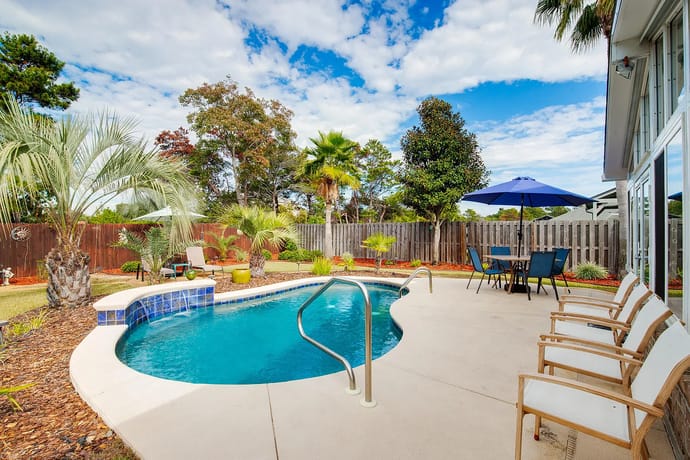
Inshore charters depart at 6–7am, which means the right home base matters. Our Miramar Beach rental (4BR, private pool, sleeps 8, from $225/night) is 10 minutes from the East Pass, the Destin Harbor charter docks, and the Crystal Beach jetties — close enough for a dawn departure without the alarm feeling like a crisis. The private pool is exactly what you want to come back to after a morning on the bay.
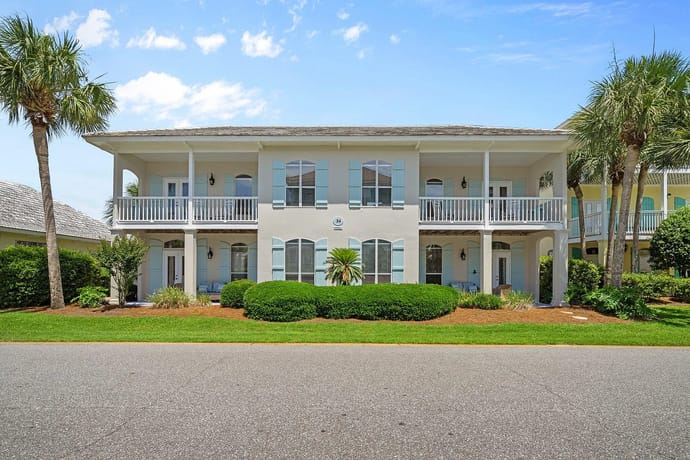
Coming with a larger group splitting charter costs? Our Destin rental is pet-friendly, sleeps 12 across 3 bedrooms plus a bunk room, and starts from $110/night — a full kitchen for cooking your fresh catch dinner and enough room for everyone's rods and gear.