Destin and Charleston are both beloved destinations in the Southeast, both within driving range of most Gulf and East Coast states — and both genuinely excellent. But they deliver completely different experiences. Destin is a beach town through and through: sugar-white sand, emerald Gulf water, fishing charters, jet skis, and endless ways to spend a day in the sun. Charleston is a coastal city with some of the finest beaches in the Carolinas nearby, but its soul lives in its history, architecture, restaurants, and culture.
One trip doesn't replace the other. This guide is for travelers choosing between them — or weighing how to combine both on a longer Southeast trip.
The Beaches: Emerald Gulf vs. Atlantic Coast
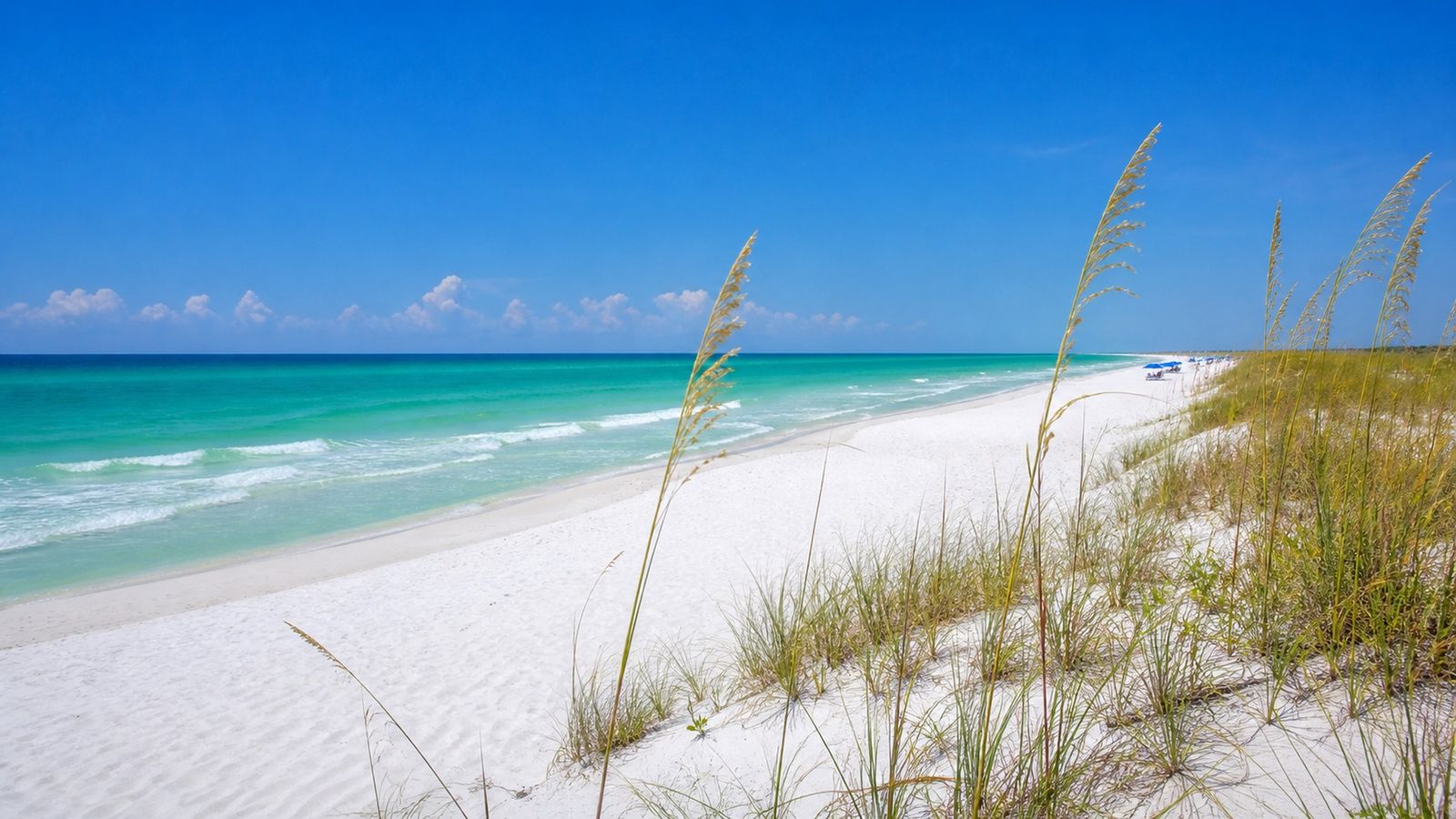
This is where Destin has a lopsided advantage, and there's no use pretending otherwise. The Gulf Coast beach at Destin is extraordinary — sugar-white quartz sand that stays cool underfoot even in August, and water so clear and green that first-time visitors routinely stop and stare. The color comes from the sand itself: fine white quartz suspended just offshore reflects the sky in a way that produces a Caribbean-blue look on a Florida panhandle coastline.
Destin's beach situation:
- Water quality and color: Emerald-green to turquoise, exceptional visibility, warm (84–87°F in summer), and generally calm with minimal wave action — ideal for families and swimmers who want clear, gentle Gulf water
- Henderson Beach State Park: The best of the Destin beaches — pristine natural dunes, wide open sand, $6/car entry. Cleaner and quieter than the main resort stretches, and the dune trail in the morning is one of the most beautiful walks on the coast
- Miramar Beach: About 15 minutes east of downtown Destin, quieter residential neighborhood, the same brilliant Gulf water with less commercial density along the shore
- Overall: Among the top beaches in the continental US by most rankings — the sand and water quality are not marketing language
Charleston's beach situation: Charleston's beaches are on barrier islands a 20–35-minute drive from downtown, not part of the city itself. Each has its own character:
- Folly Beach: The most popular, with real Atlantic surf, a fishing pier, beach bars, and a surfing culture. Water is darker and has more ocean movement. Good fun, but not a visual "wow" in the way the Gulf Coast is
- Sullivan's Island: Quieter and more residential, with historic Fort Moultrie worth a visit while you're there. The beach itself is pleasant without being remarkable
- Isle of Palms: More developed, with rental houses and resort options. The most dedicated beach destination in the Charleston area for a full beach day
- Overall: Solid Atlantic coast beaches — but the water color, sand quality, and sheer visual impact are in a different tier from Destin's Gulf shores
The honest verdict: If the beach is your primary reason for going, Destin wins decisively. If the beach is one element of a broader trip, Charleston's options are perfectly fine and come packaged with a historic city that Destin simply can't offer.
Activities: Water Town vs. Cultural City
This is where the two destinations diverge most sharply. Destin's activity menu is built around the water. Charleston's is built around the city itself.
What to do in Destin:
- Crab Island: The famous shallow sandbar in Choctawhatchee Bay where boats anchor and people swim, float, and socialize in chest-deep water. A quintessentially Destin summer experience
- Fishing charters: Dozens of operators departing HarborWalk Village daily — party boats ($65–90/person) to private offshore charters ($600–800+). The 100-fathom depth curve close to shore puts red snapper, grouper, and amberjack within a half-day's reach
- Water activities: Jet ski rentals, parasailing, kayaking and paddleboarding, snorkeling, sunset cruises, and dolphin tours — nearly all depart from Destin Harbor or beach access points
- Land options: HarborWalk Village, shopping at Destin Commons, Henderson Beach State Park, and a 30A day trip east along the coast to Rosemary Beach and Seaside
- Rainy day reality: More limited — arcades, escape rooms, shopping malls, and indoor dining. Destin doesn't have a museum district or walkable historic city center to fall back on
What to do in Charleston:
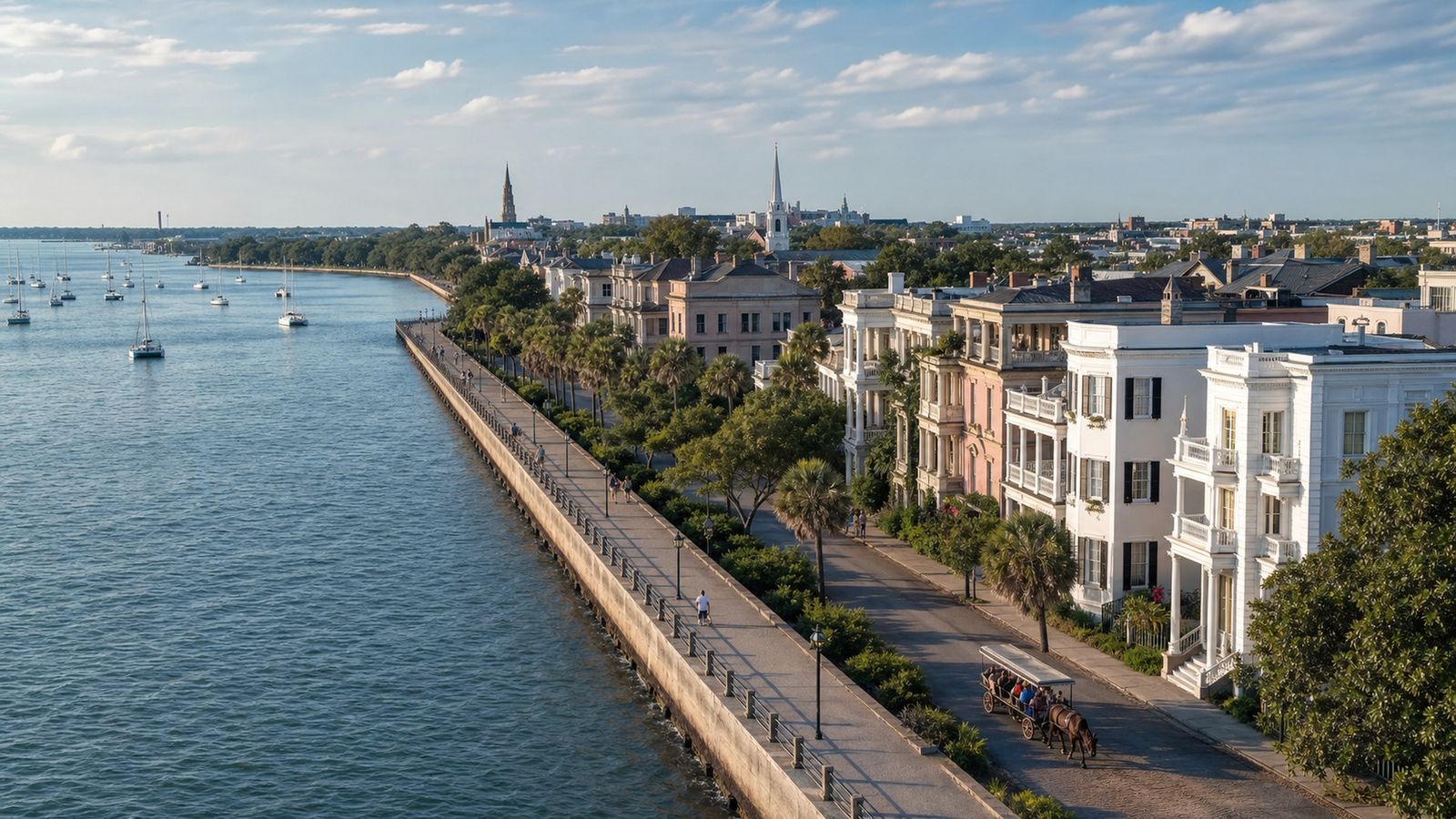
- Historic district: Rainbow Row, Battery Park, the Charleston City Market, and Waterfront Park are all walkable from a central hotel. The density of 18th- and 19th-century architecture on a single peninsula is genuinely rare in North America
- Fort Sumter: The Civil War site reached by ferry from City Market. Genuinely affecting to visit; allow about 3 hours for the ferry and tour combined
- Plantation tours: Magnolia Plantation (famous formal gardens and azaleas), Boone Hall (the iconic oak-lined avenue), and Middleton Place each warrant a half day. Spring is best for Magnolia's blooms but all three operate year-round
- Carriage tours: 90-minute guided carriage tours through the historic district are a well-run local institution — an efficient way to cover the main landmarks with real narration
- Shem Creek: The working shrimp boat dock area of Mount Pleasant, about 10 minutes from downtown, with waterfront seafood restaurants and a pleasant boardwalk walk
- Day trips: Beaufort SC (1 hour), Savannah GA (2 hours), the Lowcountry Sea Islands — all with their own strong appeal
The honest difference: Charleston is significantly better on a rainy day, a hot afternoon when you don't want to be on the water, or for travelers who want substance beyond the beach. Destin's activity roster is excellent but shuts down in bad weather. If your group is strongly water-focused, Destin's depth is real. If anyone in the group has appetite for history, architecture, or culture, Charleston's is irreplaceable.
Food Scene: Gulf Seafood vs. Lowcountry Dining
Both cities have strong seafood traditions, but Charleston has one of the most acclaimed restaurant scenes in the country — a real advantage that any food-focused traveler should weigh before booking.
Eating in Destin:
- What it does best: Fresh Gulf seafood — grouper, red snapper, Gulf shrimp, oysters, mahi-mahi, and amberjack. Some restaurants source directly from that morning's catch. The fresh seafood markets on US-98 sell whole fish and shrimp you can cook at your rental
- Top picks: Harbor Docks (best fresh-caught fish on the harbor, takes reservations), Boshamp's Seafood & Oyster House (chargrilled oysters, waterfront), Pompano Joe's (direct Gulf views, Miramar Beach), and The Gulf and Stinky's Fish Camp on 30A — the area's best tables, about 25 minutes east
- The limitation: Strong for Gulf seafood; thinner on variety. No nationally recognized dining culture beyond the fish houses and waterfront restaurants
Eating in Charleston:
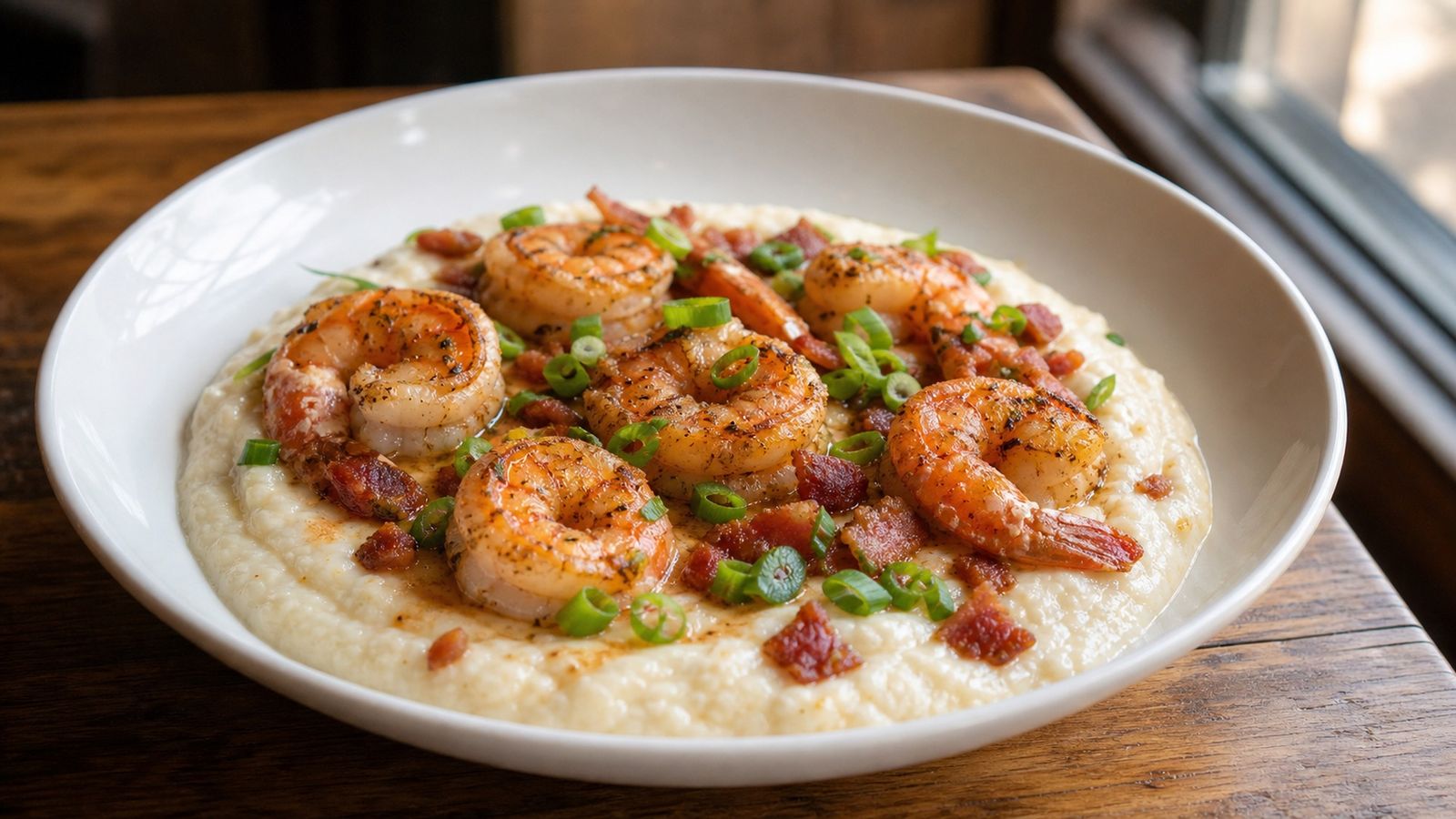
- Lowcountry cuisine: The native food culture — shrimp and grits, she-crab soup, boiled peanuts, fried green tomatoes, and Lowcountry red rice — is specific to this region and worth seeking out at lunch and dinner
- Top picks: Husk (Southern ingredients sourced locally, James Beard-nominated), FIG (outstanding technique, ingredients-first philosophy), The Ordinary (the best downtown oyster bar), Leon's (fried chicken and oysters, lively atmosphere), 167 Raw (the oyster shop everyone recommends)
- Reservation reality: Charleston's best restaurants book 1–3 weeks ahead in summer. Make reservations before you arrive — Husk and FIG fill their best weekend tables well in advance
- Price point: Charleston fine dining runs about $80–150/person with drinks. Destin's best waterfront dinners run $60–100/person. Both have casual options in the $25–40/person range
Bottom line on food: Both have excellent seafood in distinct styles. Charleston wins decisively on variety, culinary prestige, and the depth of the overall dining culture. If a memorable food trip is part of your goal, Charleston's advantage is real.
Cost Comparison: Budgeting for Each Trip
Both destinations are expensive in summer. But their cost structures differ in ways that affect which feels like better value depending on how you travel.
Destin costs (summer peak, July–August):
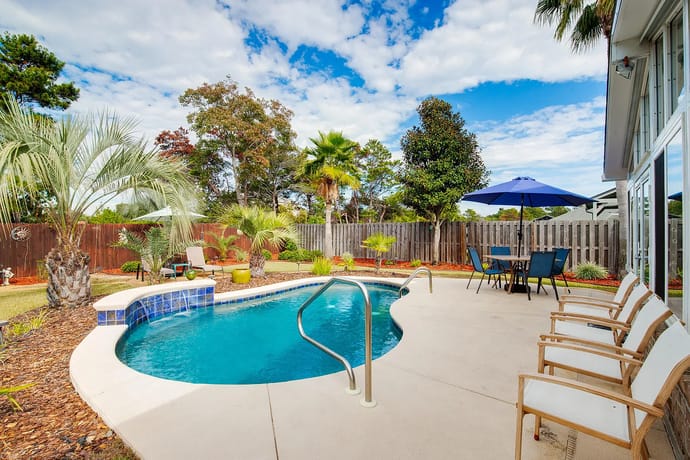
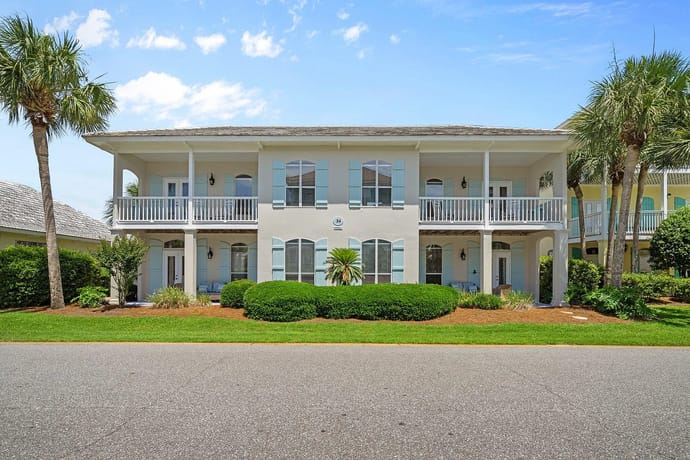
- Lodging: Vacation rentals in Miramar Beach and Destin run $200–600+/night for a house in summer peak. Our Miramar Beach property starts from $225/night (4BR, private pool, sleeps 8) and our Destin property from $110/night (3BR + bunk room, pet-friendly, sleeps 12) — competitive at the lower end of the market
- Activities: Water activities are the main expense — fishing charter $65–200/person, jet ski $80–120/hour, parasailing $80–120/person, boat rentals $300–600+/day. Budget $100–250/person/day on a full activity day
- Food: Waterfront dinner $50–90/person with drinks. Self-catering at your rental from grocery stores on US-98 significantly cuts costs for a group
- Transport: A car is essential — no walkable city center. Budget $20–40/day for gas and parking in peak season
Charleston costs (summer peak, June–August):
- Lodging: Hotels in the historic district run $180–400+/night in summer. Vacation rentals in the South of Broad neighborhood or French Quarter run $300–600+/night for a house. You're paying for proximity to walkable downtown
- Activities: Many Charleston activities are free or low-cost — walking the historic district, Waterfront Park, and Battery Park cost nothing. Paid sites: Fort Sumter boat tour $23/adult, plantation tours $20–30/adult, carriage tours $28–40/adult
- Food: Dinner at the best Charleston restaurants $80–150+/person. Strong lunch options at $30–50/person. Charleston's dining is more expensive than Destin's top restaurants
- Transport: The downtown peninsula is walkable — you may not need a car for 1–2 days. Rideshare to the beaches runs $15–30 each way; car rental makes sense for day trips to plantations or Savannah
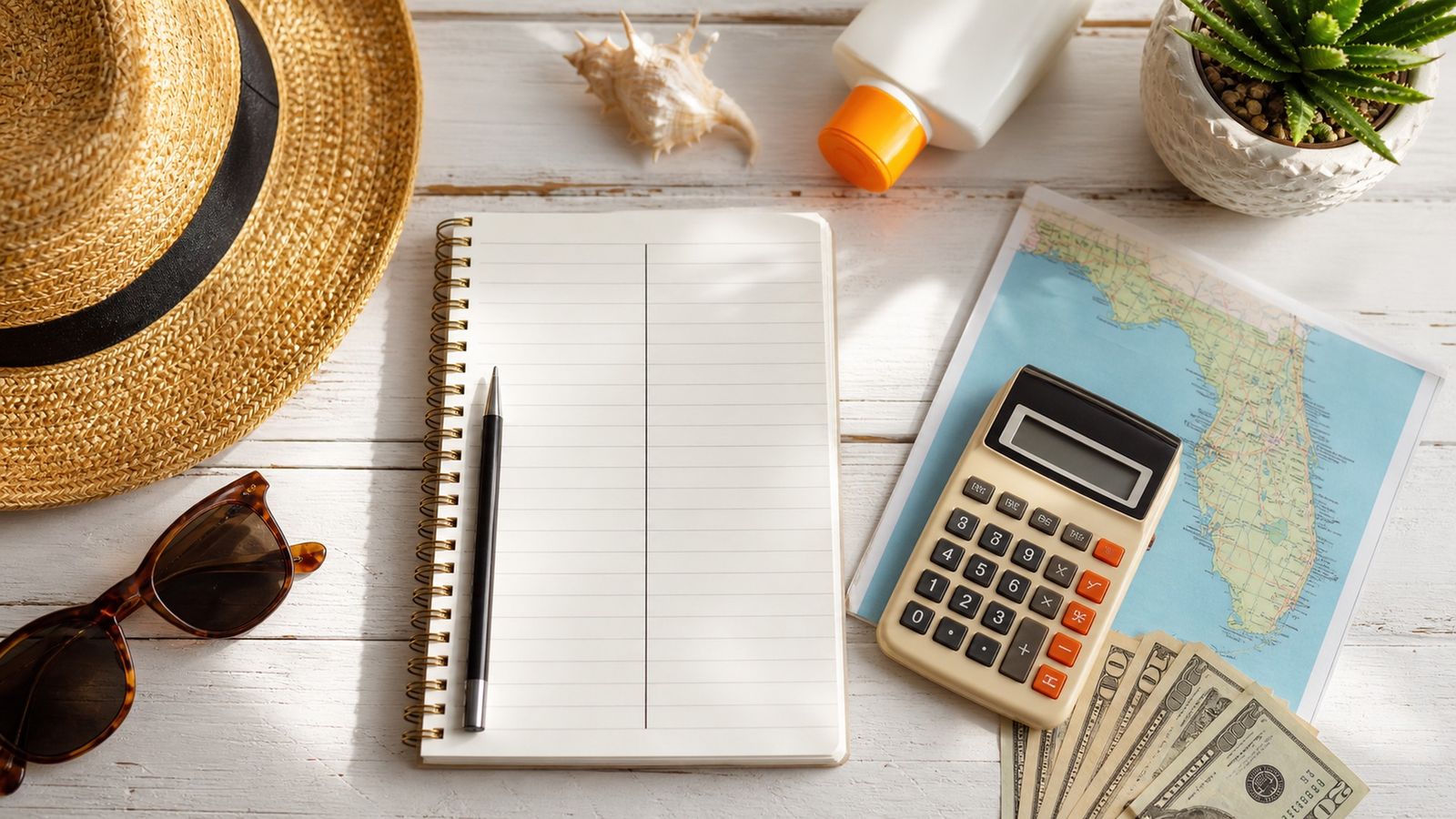
Overall comparison: A summer week at either destination runs $200–350/person/day all-in for a couple, depending heavily on activities and lodging choice. The money splits differently — Destin is more activity-front-loaded (the water activities cost); Charleston is more lodging- and restaurant-heavy. Both cities drop 25–40% in cost during shoulder season (May or October), which is the sweet spot for value at either destination.
If You're Choosing Destin
Both our Destin area rentals cost less than a comparable resort hotel room and give you a full kitchen, private outdoor space, and room to breathe. The Miramar Beach property (4BR, private pool, sleeps 8, from $225/night) is ideal for families and couples who want privacy and pool access between beach days. The Destin property (3BR + bunk room, pet-friendly, sleeps 12, from $110/night) works well for larger groups and anyone bringing a dog.
Best Time to Go: When Each Destination Shines
Both destinations have distinct seasonal rhythms, and timing your trip makes a real difference in what you experience and what you pay.
Destin by season:
- Peak summer (June–August): Gulf water at its warmest (84–87°F), everything open at full capacity, beach at its most crowded, prices at maximum, afternoon thunderstorms common. Still a great time to visit — just plan for crowds and book ahead
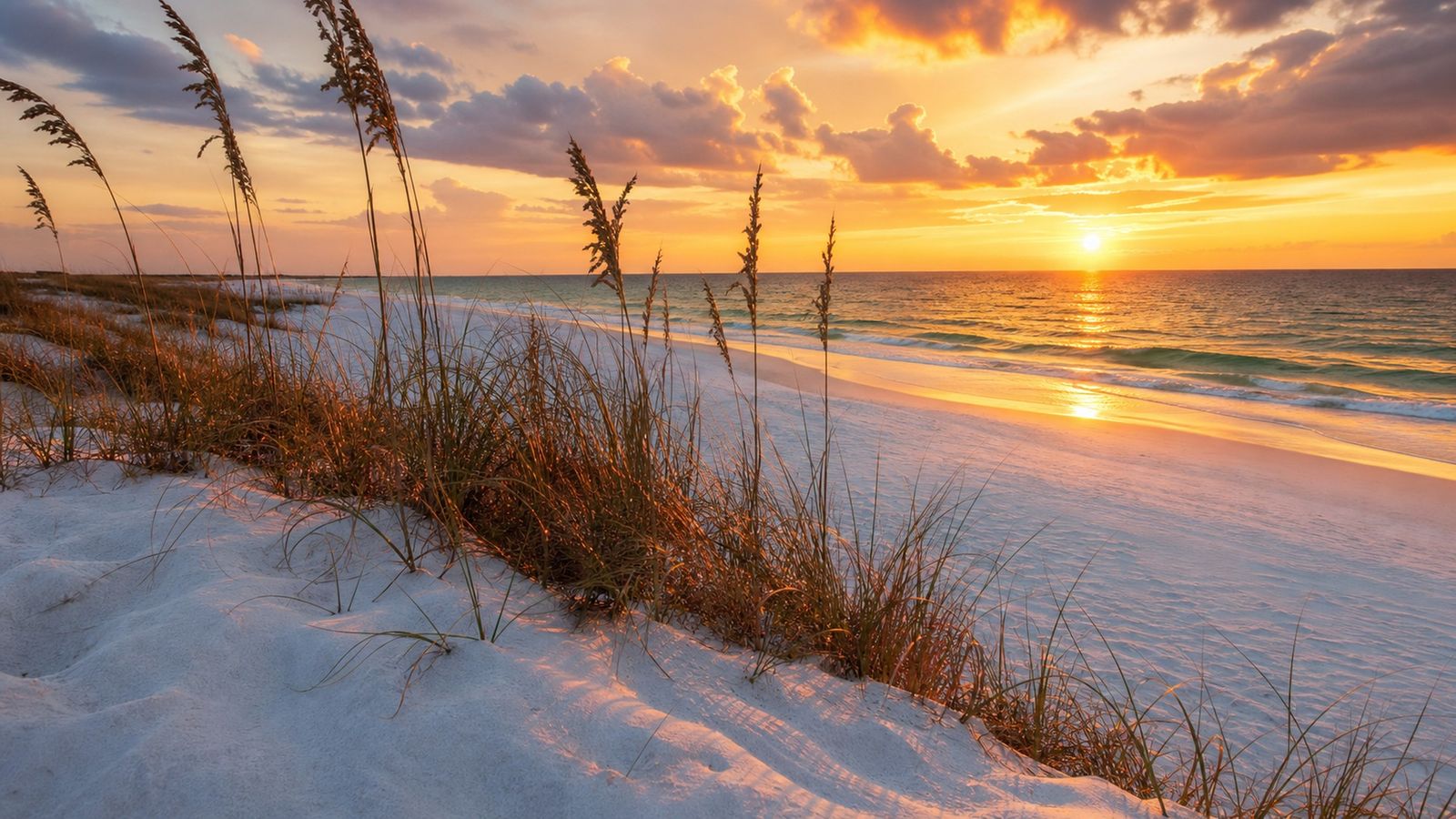
- September and October: The strongest shoulder season picks — Gulf water stays warm from summer heat (77–82°F), crowds drop sharply after Labor Day, rental rates fall 25–40%, and the fall light on the Emerald Coast is genuinely exceptional. October is arguably Destin's best-kept secret
- May: Warming Gulf water (73–78°F), pre-summer pricing, everything open, notably fewer families with school-age kids. A strong choice for couples
- Winter (November–March): Quiet, mild (60–70°F highs), dramatically cheap rates, nearly empty beaches. Swimming is minimal (water drops to 60°F by January) but the beach walks and peace are real advantages
Charleston by season:
- Spring (March–May): The peak season for good reason — azaleas bloom at Magnolia Plantation in March and April, temperatures are ideal (65–78°F), and the city is at its most beautiful. Book lodging 6–8 weeks ahead for the April bloom peak
- Summer (June–August): Hot and extremely humid (90°F+ with high heat index). Beach season is fine but the city streets and plantation tours are taxing midday. Start early, take a long midday break indoors or at the beach, do evenings outside. Still very much tourist season
- Fall (September–November): Hurricane risk in September (low probability but real), then lovely October and November as humidity breaks and temperatures settle into the 70s. The historic district in fall light is excellent for walking and photography
- Winter (December–February): Mild (50–65°F), very few tourists, hotels and restaurants at their most affordable. Christmas in Charleston — decorated historic district, holiday carriage tours — is genuinely charming
The October sweet spot: October is arguably the strongest single month to visit either destination — Destin's Gulf water still carries summer warmth, the beach is uncrowded, and prices are down. In Charleston, the humidity has broken, temperatures are ideal for walking the historic district, and fall light hits the pastel facades of Rainbow Row beautifully. If you're doing both cities in one trip, October is the window to plan around.

How to Choose — Or Do Both
Most travelers comparing these two have a fixed trip window and want to use it well. Here's the honest breakdown:
Choose Destin if:
- The beach is the point — you want to swim in warm, clear Gulf water and spend most of the day on the sand
- You're planning water activities: fishing charters, jet ski, parasailing, snorkeling, dolphin cruise, sunset sailing
- You're traveling with kids who want to be in the water most of the day
- You want a laid-back, unscheduled vacation without a must-see itinerary
- You want a private pool at your rental for evenings and early mornings without driving anywhere
- You're comparing value for a summer beach trip and want the most impressive water in the Southeast
Choose Charleston if:
- History and architecture are a genuine draw for your group — not just a "if we have time" add-on
- You're a serious food traveler; Charleston's restaurant scene is the best between Washington DC and Miami
- The beach is part of your trip, not the entire trip
- You're traveling in fall (October–November) when Charleston's weather is ideal for walking the city
- You'd rather walk to dinner than drive; you want a city that rewards exploration on foot
- You have non-beach travelers in the group who want substantive things to do on hot or rainy days
The case for doing both: Destin and Charleston are about 550 miles apart — roughly a 9-hour drive or a 90-minute flight. On a 10-day trip, splitting time between them is genuinely excellent. A logical routing: fly into Pensacola (the closest major airport to Destin, about 45 minutes away), spend 5–6 days at Miramar Beach or Destin, then drive through Savannah (worth a night's stop) and into Charleston for 3–4 days of city and coast. October makes both segments work at their best.
If you have to choose, the deciding question is simple: do you want to come back having spent most of your time in or near the Gulf, or do you want to come back having also walked through one of the most beautiful cities in the South and eaten some of the best meals of your year? Both are completely valid answers — they're just different trips.
Your Destin Base Camp
If Destin wins your planning, both our properties give you something a hotel room can't — real space, a kitchen, and private outdoor areas. Our Miramar Beach rental (4BR, private pool, sleeps 8, from $225/night) has a private pool that changes the whole pace of a beach trip. Our Destin rental (3BR + bunk room, pet-friendly, sleeps 12, from $110/night) is one of the better values on the coast for groups.