Shore fishing in Destin rarely makes the marketing brochures. The fishing fleet — 150-plus charter boats lined up at HarborWalk before dawn — is what Destin is famous for, and for good reason. But pulling pompano from the surf at sunrise, landing redfish from a jetty in the evening, or watching your rod double over as a bluefish hits a jig on a September morning is its own category of experience. No captain. No $200+ charter ticket. No early wake-up call for a boat you didn't pick. Just you, a surf rod, and one of the most productive stretches of Gulf shoreline on the Florida Panhandle.
This guide covers everything a beach angler needs: where to go, what you'll catch, what gear to bring, how to stay legal, and when the fishing is genuinely worth making the trip for.

Why Shore Fishing in Destin Actually Works
Destin's reputation is built on its charter fleet, but the same geography that makes offshore fishing exceptional also makes beach fishing better than most people expect. The Emerald Coast bottom transitions quickly from shallow nearshore water to deep Gulf — the 100-fathom curve is closer to shore here than almost anywhere else on the Gulf. But right near the beach, the gradual slope creates a series of sandbars, wave-cut troughs, and current channels that funnel baitfish along the shoreline and hold feeding fish within easy casting distance.
The proof is in the species. Pompano — one of the finest-eating fish in the Gulf — feed actively in the surf zone, right in the churning wash where waves break over sandbars. They're chasing sand fleas, tiny crabs, and crustaceans churned up in the wash. In prime conditions, you can see them finning in ankle-deep water. Pompano surf fishing on the Gulf Coast is a tradition that predates every charter boat in Destin harbor, and these beaches deliver it reliably in spring and fall.
The East Jetties at Destin Pass — the inlet connecting the Gulf to Choctawhatchee Bay — are a structure landmark accessible on foot with no boat needed. Tidal currents through the pass push baitfish and attract redfish, sheepshead, and flounder right against the jetty rocks. This is shore fishing with the productivity of a structural spot, and it costs nothing to access.
Fall is when shore fishing peaks across the Emerald Coast. Cooler water triggers feeding runs across multiple species simultaneously. Beaches are dramatically less crowded than summer, morning temperatures are comfortable, and the pompano, bluefish, and flounder are all on the move. If you have one good window per year to fish Destin from shore, September through November is it.

What You Can Catch from the Beach
The species mix reachable from Destin's surf is genuinely diverse. Here's what you'll encounter and when:
Pompano
The target species for most serious Destin surf fishers. Florida pompano (Trachinotus carolinus) is renowned table fare — firm, buttery white flesh with a mild briny sweetness that earns its reputation as one of the finest-eating fish in the Gulf. They typically run one to three pounds in the surf zone. Pompano travel in schools and feed aggressively in the wave wash, so when the bite is on you can catch multiple fish quickly. Peak surf-fishing seasons: March through May and September through November. Sand flea rigs and pompano jigs in chartreuse or orange are the go-to presentations.
Whiting (Gulf Kingfish)
Whiting are the most consistent catch from Destin beaches year-round. They run 8 to 14 inches, hit shrimp and sand fleas readily, and are active across all seasons. They're not as prized as pompano at the table, but they're decent fried whole and they're reliable when other species are slow. Excellent for keeping a young or first-time surf fisher engaged — whiting are willing biters.
Redfish (Red Drum)
Redfish are more reliably taken at the jetties than in the open surf, but they do move through the beach zone in fall and winter. The East Jetties at Destin Pass are your best shore-based bet for reds — tidal currents concentrate baitfish and draw redfish to feed right against the rocks. Cut mullet, live shrimp, or a gold spoon worked slowly near structure all produce. Florida's redfish slot limit runs 18 to 27 inches — measure before you keep.
Bluefish
Bluefish push through on their fall migration, typically September through November. These are aggressive, toothy fish that attack fast-moving lures and cut bait alike. When bluefish are running near the beach, the fishing gets exciting — they'll clear the water chasing bait in the wash. Use a short wire leader or heavy fluorocarbon ahead of any metal jig or plug; bluefish bite through monofilament like it isn't there.
Spanish Mackerel
Spanish mackerel come within casting range of shore in spring and fall when clear, warm water pushes them into the nearshore zone. A fast-retrieved silver spoon, Gotcha plug, or small metal jig is the standard presentation. You need enough casting distance to reach them, which favors a longer surf rod. They're not always available from shore — when they're holding out of range, a charter trip or the Okaloosa Island Pier in Fort Walton Beach will get you to them.
Flounder
Fall is when flounder concentrate near the Gulf before migrating into the bay for winter. They hold in the troughs behind sandbars and near any slight bottom structure or current edge. A soft plastic jig bounced slowly along the sandy bottom in these areas will find them. September through November is the productive window. Florida's flounder minimum size is 12 inches — measure before you decide.
Ladyfish and Bonus Catches
Ladyfish aren't prized for eating but are exceptional fighters for their size — they'll jump and run like a small tarpon when hooked. Black drum and sheepshead show up near the jetties and any hard structure. Sand perch, pinfish, and hardhead catfish are common incidental catches when soaking shrimp on the bottom. All part of the experience.

Best Shore Fishing Spots Around Destin
Location matters more in surf fishing than most people realize. Specific beaches hold fish in different patterns, and the right spot on the right morning can mean the difference between a slow two hours and a serious bite.
East Jetties at Destin Pass
The best structure access for shore fishers in the Destin area. East Jetty Park off Crystal Beach Drive gives you foot access to the granite jetty rocks flanking the inlet to Choctawhatchee Bay. Fish on moving tide — incoming or outgoing — when tidal current pushes baitfish against the rocks. Redfish, sheepshead, and flounder hold here year-round; Spanish mackerel and bluefish hit the pass in fall. The beach just east of the jetty, where the tidal current deflects along the shoreline, is also a good pompano zone. In summer, arrive early — parking fills by 7am on weekends.
Henderson Beach State Park
Henderson Beach State Park sits between two heavily developed sections of beach, which means its shoreline is less disturbed and holds more natural bottom structure than adjacent public access points. The beach has a more pronounced trough pattern here. Fishing is permitted from the beach within the park ($6/vehicle entry). Fewer swimmers than main Destin access points means fewer restrictions on where you can cast and less pressure pushing fish away. Good for pompano and whiting in spring and fall.
James Lee County Park
Located on the Okaloosa Island side (US-98 between Fort Walton Beach and Destin), James Lee County Park is a free county beach access with generous parking and a long open beach to spread out on. The water here is slightly more protected from northwest swell than Crystal Beach, making it fishable on days when other spots have too much chop for comfortable casting. Pompano and whiting are the main surf targets. Arrive before 8am on summer weekends to secure parking.
Scenic Gulf Drive Access Points (Miramar Beach)
Okaloosa County maintains numbered public beach access points along Scenic Gulf Drive in Miramar Beach. These smaller neighborhood accesses tend to see less traffic than the main Destin beach, especially on weekdays. The fishing quality is consistent with the rest of the Emerald Coast — pompano and whiting follow the same seasonal patterns here. Early morning sessions on weekdays can feel genuinely uncrowded even in peak summer. Check Okaloosa County's beach access map online for exact locations and current parking rules.
Reading the Beach Before You Cast
Wherever you set up, spend five minutes reading the water. Look for the dark green-blue trough just behind the first breaking wave — that's the feeding zone for pompano and whiting. A rip current channel (darker, calmer water where the surf doesn't break) concentrates baitfish at its edges. A subtle color change or current edge signals a gathering spot. Set up where these features intersect and you'll be fishing more productive water than someone who just picks a random spot on the sand.

Gear, Bait, and Surf Fishing Setup
A proven surf setup handles the vast majority of what you'll encounter on Destin beaches. You don't need to spend a lot to fish effectively.
Rod and Reel
Rod: A 9 to 11-foot medium-heavy surf rod. The length gives casting distance to reach troughs past the first sandbar and keeps your line above the breaking surf. An entry-level Penn or Ugly Stik surf rod in the $60–$100 range does the job. Reel: A 4000 to 6000-size spinning reel spooled with 20-pound braided main line. Braid casts significantly farther than mono for the same diameter and gives better sensitivity. Tie on an 18-to-24-inch section of 20–25-pound fluorocarbon as a leader before your terminal rig.
Terminal Tackle
Two rigs cover most Destin surf situations:
- Pompano rig: A fish-finder sliding sinker setup with a 1 to 3-ounce pyramid sinker (heavier in rough surf to hold bottom), an 18-inch fluorocarbon leader, and a size 1 to 2/0 short-shank hook. Tip with a fresh sand flea, a chunk of fresh shrimp, or a small artificial sand crab jig in chartreuse or orange.
- Jig rig: A 3/8 to 1-ounce leadhead jig with a soft plastic grub or paddle-tail in white, chartreuse, or pink. Work it slowly through troughs for pompano and flounder; retrieve faster and erratically near the surface for Spanish mackerel and bluefish.
Sand spike rod holder: Essential for hands-free fishing when soaking bait. Drive it into wet sand near the waterline and angle your rod over the surf. Available at any tackle shop for $10–$20. Brings two rods to the beach and you can fish a bait setup and a jig setup simultaneously.
Bait
Live or fresh shrimp is the most reliable all-around bait in the Gulf surf. It catches pompano, whiting, redfish, flounder, and almost anything else feeding in the wash. Buy it fresh from a bait shop, not frozen from a grocery store — the difference in effectiveness is significant. Sand fleas (mole crabs) are the premier pompano bait. Catch them yourself by raking the swash zone with a wire mesh sand flea rake as waves recede — they're the small crustaceans that burrow back into wet sand after each wave. A few dozen sand fleas and you're fishing with the best possible bait. Fresh mullet cut into strips works well for redfish and larger bottom fish at the jetties.
Where to Buy Gear in Destin
Bass Pro Shops at Destin Commons (US-98) carries a complete surf fishing selection including rods, reels, terminal tackle, and live bait in season. Several smaller bait shops near the East Jetty area and along US-98 stock fresh shrimp, sand flea rakes, and ready-rigged pompano setups. A pre-rigged pompano setup from a bait shop saves time if you're new to surf fishing — they'll often give useful tips on current conditions too.

Licenses, Limits, and Beach Fishing Rules
Florida takes saltwater fishing regulations seriously. A few minutes of prep here prevents significant trouble.
Florida Saltwater Fishing License
Anyone 16 or older fishing in Florida saltwater needs a valid Florida saltwater fishing license — this includes fishing from the beach. There is no shore-fishing exemption in Florida. The exception: Florida residents age 65 and older fish for free.
- Florida residents (ages 16–64): Annual saltwater license approximately $17. Purchase at myfwc.com/license, any county tax collector office, Walmart, or Bass Pro Shops.
- Non-residents: 3-day license approximately $17; 7-day approximately $30; annual approximately $47. The 7-day license is the right choice for most vacation stays.
Licenses can be purchased online and displayed on your phone — a screenshot is acceptable during an inspection. License fees change periodically, so verify current pricing at myfwc.com before your trip.
Beach Fishing Regulations in Destin
Okaloosa County restricts fishing within 150 feet of an occupied swimming area when swimmers are present. In summer at busy public beach access points, this means setting up far from the designated swim zone, or fishing at locations like Henderson Beach State Park or the East Jetties where swimmer density is lower. Early morning (before 9am in summer) is typically before the swim crowd arrives and lifeguard restrictions kick in, giving you more positioning options. County beach rangers enforce these rules — the distance requirement is not ambiguous.
Key Size and Bag Limits
The limits you're most likely to encounter from Destin beaches (always verify current regulations at myfwc.com before your trip — regulations can change):
- Pompano: 11-inch minimum total length, 6 fish per person per day
- Redfish: 18-to-27-inch slot limit (must be within this range to keep), 1 fish per person per day
- Flounder: 12-inch minimum, 10 fish per person per day
- Bluefish: No minimum size, 10 per person per day
- Spanish mackerel: 12-inch minimum, 15 per person per day
No minimum size or bag limit for whiting, ladyfish, or pinfish. Carry a measuring tape — inexpensive and removes any guesswork at the waterline before you decide to keep a fish.

When to Go: Shore Fishing by Season
Destin shore fishing produces year-round, but the best months are meaningfully better. Here is the honest breakdown:
Fall — September Through November (Peak)
The best window for Destin beach fishing, and it's not particularly close. September is when summer crowds have gone home, the heat has softened, and multiple species are in the surf simultaneously. Pompano are moving through in schools. Bluefish are arriving on their fall migration. Flounder are fattening up before migrating into the bay for winter. Spanish mackerel are still in the nearshore zone. Water temperature runs 78–82°F in September and 72–78°F in October — warm enough to keep fish actively feeding, cool enough that mornings on the beach are genuinely comfortable. Beaches are uncrowded, which means fewer swim-zone restrictions and easier parking. If you can schedule one shore fishing trip to Destin, this is the window.
Spring — March Through May
The second-best window. Pompano move back into the surf zone as water temperatures rise above 68°F in March and April. Whiting are reliable throughout. By May, Spanish mackerel appear in the nearshore zone and early pompano runs overlap with whiting before the summer heat arrives. Manageable crowds mean open beaches without summer restrictions, and morning sessions are comfortable rather than grueling. Water temperature climbs from around 65°F in March to 74°F by late May, bringing fish steadily into the surf zone.
Summer — June Through August
Surf fishing is possible but requires working around conditions. Busy beaches limit where you can cast without a 150-foot buffer from swimmers, and midday heat limits when you want to be out. The approach that works: arrive before 7am when it's cooler and the swim crowd hasn't arrived. Fish for 2–3 hours and leave by 9–10am. Pompano, whiting, and occasional Spanish mackerel are all catchable in these morning windows. The East Jetties tend to see fewer restrictions than main public beach access points. Parking fills early in peak summer — if the lot is full, it's full.
Winter — December Through February
The slowest season by species count but not without real fishing. Whiting, black drum, and sheepshead are around at the jetties, and redfish come into the surf zone on warmer days. Water drops to 55–62°F, which slows feeding frequency and means fishing slower presentations with smaller bait. The payoff: zero crowds, no swimmer restrictions, and the kind of quiet dawn sessions on an essentially empty beach that are hard to find anywhere else. Warm-spell days in February with air in the mid-60s and calm seas are worth planning around.
Fish Where You're Staying
Both of our Destin & Miramar Beach rentals put you within minutes of the shore fishing spots in this guide — close enough to be on the beach at first light, which is when it matters most.
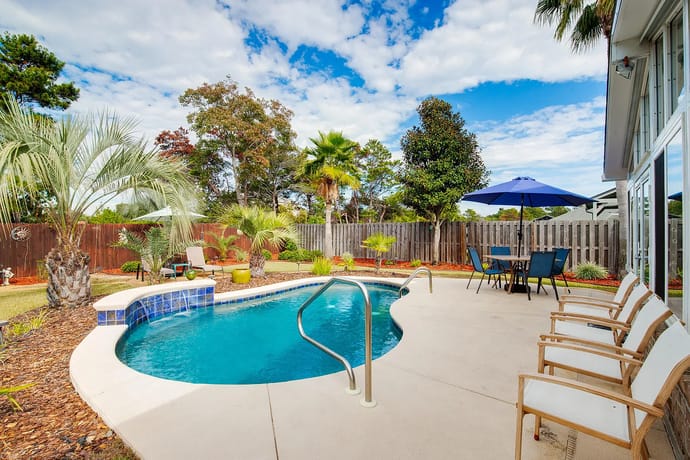
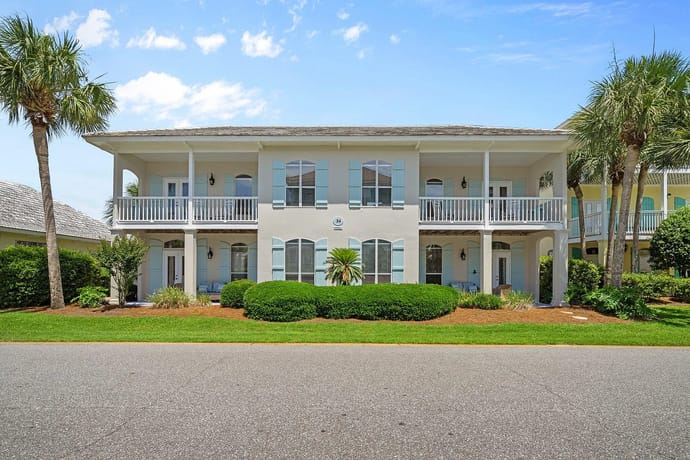
Our Miramar Beach rental has 4 bedrooms, a private pool, sleeps up to 8 guests, and starts from $225/night — a short drive from Henderson Beach State Park and the Scenic Gulf Drive access points. Our Destin rental has 3.5 bedrooms, is pet-friendly, sleeps up to 12 guests, and starts from $110/night — close to the East Jetties and HarborWalk.