Destin and the surrounding Emerald Coast have been drawing retirees for decades, and once you see the beaches, the appeal is obvious. The Gulf water is an unusual emerald green — fine quartz sand reflecting the light — the winters are mild, and Florida's tax structure remains one of the most retirement-friendly in the country. The area isn't without tradeoffs: it's developed, it's seasonal, and housing along the beach corridor runs genuinely expensive. A clear-eyed look at both sides matters.
This guide is for people seriously considering retiring in the Destin, Miramar Beach, or Fort Walton Beach area — not as a vacation pitch, but as a practical resource for understanding costs, neighborhoods, healthcare, and what daily life looks like when the tourists go home.

Why Retirees Keep Coming Back to the Emerald Coast
There's a reason the Destin area consistently shows up on national retirement destination lists, and it's not just the beach. A combination of factors makes this stretch of the Florida Panhandle genuinely compelling for people transitioning out of full-time work:
- No Florida state income tax. For retirees drawing Social Security, pension income, IRA distributions, or investment returns, this is a meaningful financial advantage over states like Georgia (5.49% rate), Tennessee, or the Carolinas (4–5%). Combined with no inheritance tax, Florida's tax structure is one of the most favorable in the country for retirees.
- The weather is genuinely good, not just technically mild. Winters in Destin run 45–65°F most days — cool enough to feel like a season, warm enough to walk the beach in a jacket. Spring and fall are outstanding. Summers are hot and humid (85–95°F), which is either fine or difficult depending on your tolerance. Unlike South Florida, you get four distinct seasons, just compressed and shifted southward.
- The outdoor activity calendar never closes. Fishing is a year-round sport here — nearshore and offshore charters run even in January. Golf courses operate 365 days a year. Kayaking in the state parks, Henderson Beach State Park, and the backwater bays is often best in the off-season when the crowds are gone. Snowbirds from the Northeast and Midwest specifically choose this area because the outdoor life continues through winter.
- Military retirement benefits extend here. The Destin area sits between Eglin Air Force Base (the largest in the world by land area) and Hurlburt Field. Active and retired military have access to commissaries and base exchanges where groceries, gas, and household goods run noticeably below civilian retail. Tricare coverage also continues for military retirees regardless of state of residence.
- The community has more depth than the tourist corridor suggests. Fort Walton Beach, Niceville, and the communities north of the beach have established year-round neighborhoods, civic organizations, arts venues, church communities, and the kind of local infrastructure that makes a place genuinely livable. The beach gets the attention, but the community around it is what makes retirement here sustainable long-term.
The honest tradeoff: Destin is a resort destination first. Summers bring extraordinary crowds, traffic, and price increases across restaurants, services, and activities. Living here full-time means making peace with the tourist season — and learning to live like a local: early mornings, weekday outings, shoulder-season everything. Many retirees manage this by structuring their year deliberately: spending spring and fall in Destin at its best, traveling or visiting family during peak summer, and enjoying the quiet winter coast that genuinely is one of the best-kept secrets about this place.

The Real Cost of Living in Destin and Miramar Beach
The Destin area is not inexpensive. The beach corridor has seen sustained property appreciation that makes it one of the pricier coastal retirement options in the South. Here's a realistic breakdown:
Housing: Single-family homes within a mile of the Gulf in the Destin/Miramar Beach corridor typically start around $600,000–$800,000 for modest 3-bedroom properties and climb quickly from there. Condominiums begin lower ($350,000–$500,000 for a Gulf-proximity unit) but come with HOA fees that frequently run $500–$1,200/month for maintenance, insurance, and amenities. Moving 10–15 miles north — into Fort Walton Beach, Niceville, or the Shalimar area — brings costs down significantly. A 3-bedroom home in Fort Walton Beach runs $350,000–$500,000 in neighborhoods with good walkability and established amenities. Many retirees end up choosing this compromise: a permanent home slightly inland, with the beach a 15-minute drive rather than a backyard.
Insurance: This is the cost that surprises most people. Coastal property insurance in Florida has become significantly more expensive as major insurers have pulled back following hurricane losses in recent years. Wind and flood insurance on a beach-adjacent property can run $5,000–$15,000/year or more depending on location, structure, and elevation. A home in a FEMA Zone AE flood zone (common along the beach corridor) requires separate flood insurance in addition to wind coverage. Get a clear-eyed insurance quote before committing to any coastal property — the annual cost can dramatically alter the economics of an otherwise attractive purchase.
Property taxes: Florida's Save Our Homes provision caps annual increases in assessed value at 3% (or CPI, whichever is lower) for homesteaded properties. This is a real long-term benefit: a property bought at today's market value locks in future tax increases at a predictable rate. The homestead exemption reduces assessed value by $50,000, saving roughly $500–$1,000/year depending on the millage rate. Overall property tax rates in Okaloosa County run about 0.6–0.8% of assessed value after exemptions — moderate by Florida standards.
Everyday expenses: Groceries, dining, and services run at coastal-tourist premiums along the beach. Publix in Miramar Beach costs noticeably more than Walmart or the Eglin commissary. Restaurant prices are elevated year-round and significantly higher in peak season. The upside is that the shoulder and off seasons bring genuine deals — October through April, restaurants are eager for local business and often offer better service, shorter waits, and value that peak-season pricing never delivers.
Total picture: A retired couple in the Destin area in a paid-off home, managing insurance carefully, and spending with local-savvy rather than tourist-mode habits, can live comfortably on $55,000–$80,000/year. Beach-corridor luxury has no ceiling. The most common financial mistake is purchasing a beautiful beachfront property and discovering that insurance, HOA fees, and the cost of maintaining a structure in a salt-air environment cost more than anticipated — sometimes several thousand dollars per year more than initial estimates suggested.

Best Neighborhoods for Retirees Near Destin
The "Destin area" covers several distinctly different communities, each with different character and price points. Here's a realistic breakdown of the main options:
- Sandestin Golf and Beach Resort (Miramar Beach) — A 2,400-acre gated resort community straddling US-98 in Miramar Beach. Sandestin has everything inside its gates: a marina, four golf courses, tennis and pickleball courts, pools, retail and dining at Baytowne Wharf, and private beach access. Popular with retirees who want a low-maintenance lifestyle with activities built in. HOA fees are significant ($300–$600/month for villas; condo fees vary widely). Properties range from $400,000 villas to $1M+ Gulf-front condos. The trade: you're in a resort, not a neighborhood. Excellent amenities, but the character is transient during tourist season.
- Miramar Beach residential corridors — The residential areas off Scenic Gulf Drive, between Sandestin and central Destin, offer the best combination of beach proximity and neighborhood feel. Lower density than the main tourist strip, mix of single-family homes and smaller condo buildings. Less tourist traffic. More year-round residents. Many retirees who want Gulf proximity without a full resort community commitment end up here.
- Destin proper (Holiday Isle, Crystal Beach) — The main corridor is closest to the harbor, HarborWalk Village, and the concentration of restaurants and services along US-98. Condos here perform well as rentals if you're buying partly for investment income. But the summer noise and traffic make it a less-popular choice for full-time retirement. Better for seasonal or split-time use than year-round primary residence.
- Fort Walton Beach and Shalimar — About 10–15 miles west of Destin. More affordable housing, more year-round residential character, and significantly closer to Eglin AFB — essential for military retirees using the commissary or base medical facilities. Fort Walton Beach has a walkable downtown on the Choctawhatchee Bay, its own beaches at Okaloosa Island, and housing costs substantially below the Destin beach corridor. For military retirees, this is often the best practical choice.
- Niceville and Valparaiso — On the north shore of Choctawhatchee Bay, 20–25 minutes from the beach. Small-town residential character, lower costs, easy base access, good schools. The community here has strong ties to Eglin and is popular with military families who retire in place. Not for people who require daily beach proximity, but excellent for those who want the full regional lifestyle without beach-corridor pricing.
- 30A corridor (Santa Rosa Beach, WaterColor, Rosemary Beach) — About 20–45 minutes east of Destin on Scenic Highway 30A. Lower density, architecturally thoughtful planned communities, quieter, upscale. WaterColor and Rosemary Beach are full resort-residential communities with pools, beach access, and walkable village cores. Prices are high but the character is genuinely more livable for full-time residents than central Destin. Many retirees specifically prefer this stretch. See the full 30A guide for the area's personality.
The pattern that works: Retirees who are happiest in the Destin area follow one of two models. The first: buy or rent in the beach corridor (Miramar Beach, Sandestin, or 30A) and learn local strategies to navigate summer. The second: live more affordably in Fort Walton Beach or Niceville and treat the beach as a 15-minute drive for regular outings. Many people who choose the second model report going to the beach frequently enough that the drive normalizes completely — and they're living in a significantly more affordable home with better year-round livability.

Healthcare, Senior Services, and Military Benefits
Healthcare access is one of the most important practical questions about retiring in a resort town, and it deserves a direct answer. The Destin/Fort Walton Beach area has solid primary and urgent care. Serious specialist needs go to Pensacola or further.
- Fort Walton Beach Medical Center — The primary hospital in the immediate area, located in Fort Walton Beach (about 12 miles west of central Destin). Full-service hospital with emergency, surgical, and cardiac services, part of HCA Healthcare. Handles the majority of acute care for the region. Not a major academic medical center, but competent for routine and urgent needs.
- Sacred Heart Hospital on the Emerald Coast — Located in Miramar Beach, approximately 5 miles from central Destin — more accessible for Miramar Beach and Sandestin residents. Part of Ascension, with specialist connections to the larger Ascension Sacred Heart hospital in Pensacola (~45 miles west). For major cardiac events, serious oncology, or complex surgical needs, Pensacola is the regional referral destination — a 45–55 minute drive west on US-98 or I-10.
- Specialist and subspecialty care: Cardiology, orthopedics, and oncology have grown in the Fort Walton Beach area over the past decade as the retirement population has expanded. Telemedicine has further extended access. But retirees with significant ongoing specialist care needs — complex cardiac disease, certain cancers, advanced neurological conditions — should evaluate whether the drive times to Pensacola or Gainesville for the best available care are genuinely acceptable before committing to this area.
- Military retirees and Tricare: Eligibility for care at military treatment facilities (MTFs) at Eglin AFB and Hurlburt Field is a substantial benefit for qualifying retirees. Tricare coverage extends to civilian providers in the network when MTF capacity is limited. The Eglin base hospital, dental facilities, commissary (30–40% below retail on groceries), Base Exchange, and recreational facilities represent a meaningful quality-of-life package for the large military retiree community in this area.
- Senior centers and community resources: The Okaloosa County Council on Aging runs senior centers in Fort Walton Beach and Crestview with meal programs, transportation assistance, and programming. YMCA locations in Fort Walton Beach offer senior fitness programming. These resources matter significantly for day-to-day quality of life — they're less visible from the tourist corridor but used regularly by the year-round resident community.
Medicare Advantage and supplemental coverage: Several strong Medicare Advantage plans operate in the area, including Blue Cross Blue Shield of Florida and Humana, both with reasonable local physician networks. Research your specific plan and confirm your preferred primary care providers participate before committing. Establishing care with a primary physician early matters — the seasonal nature of the local workforce means some providers fill their panels quickly and availability can shift year to year.

What Year-Round Life Actually Looks Like
People who move to Destin after visiting only in summer often have an adjustment period when they discover that year-round life here is a genuinely different experience from the vacation version. Here's what the calendar actually delivers:
October through March — the local season: This is when Destin belongs to the people who actually live here. Traffic is light. Restaurants that made it through summer are grateful for local regulars and often perform their best: attentive service, no wait, dishes made with care rather than volume. The beach is quiet and extraordinary — long empty stretches of the same white sand and emerald water, just without the umbrella rows. Temperatures in the 55–70°F range are comfortable for walks, fishing, cycling, and most outdoor activities. The Gulf water cools into the 60s by November, too cold for most swimming, but the views are stunning. Many retirees describe October and November in Destin as among the finest months of the year to be here.
April and May — the spring window: The Gulf warms back up (reaching 73–78°F by late May), the beach gets beautiful, and crowds haven't yet reached peak summer levels. Memorial Day weekend marks the start of full summer mode. April and May are some of the most pleasant months to be in Destin: warm, manageable, and still feeling like a local's place. The April scene in Destin brings fishing tournaments, festivals, and outdoor events without the summer crush.
June through mid-September — peak summer: This is when locals who can, adapt their routines. The beach before 8am and after 5pm is enjoyable; the middle of the day is crowded and hot. US-98 backs up badly on weekends. Restaurants are slammed, parking lots fill by 9am. Year-round residents develop habits: morning walks before the heat, grocery shopping early, dinners at 5pm before the crowd arrives. Summer is the economic engine that supports the local community — it's not miserable to live through, it just requires a local mindset rather than a vacation one.
Hurricane season: June through November is hurricane season, with the statistical peak in September. The Florida Panhandle's Gulf-facing exposure makes it vulnerable to Gulf-of-Mexico storm tracks. Hurricane Ivan (2004) and Hurricane Michael (2018, which devastated Panama City Beach 80 miles east) both caused significant regional damage. Year-round residents maintain storm plans, keep impact glass or storm shutters in place, carry adequate insurance, and evacuate when directed. Having a prepared house and an evacuation plan is part of responsible coastal homeownership here.
Social life year-round: The retirement community in the Destin/Fort Walton area is active. Golf leagues, fishing clubs, pickleball groups (the fastest-growing sport in the area, with courts expanding at several community parks), church communities, and civic organizations provide real social infrastructure. The military retiree community has particularly strong social networks. The arts scene on 30A — galleries, live music, community events at Seaside and Grayton Beach — has grown into a genuine cultural asset for the region. Retirees who actively engage with the community consistently report high satisfaction; those who retire here expecting a permanent-vacation experience without building local connections sometimes struggle, particularly in the quiet winter months.

Testing the Waters: Long-Term Rentals Before You Commit
The most consistently good advice for anyone seriously considering retiring to Destin: spend an extended period here before buying anything. The difference between a one-week vacation and two months of actual residency is substantial. You'll discover which neighborhood actually suits you, whether the summer crowd density is manageable with local strategies, how the year-round social scene fits your personality, and whether the drives to specialist healthcare or other services you rely on are genuinely acceptable.
What an extended stay reveals that a short trip doesn't:
- Seasonal timing changes everything. A test stay in October will give you a very different — and more representative of permanent life — sense of the area than a visit in July. Both are worth experiencing. Many couples do two extended stays: one in summer to stress-test the tourist-season tolerance, one in the off-season to understand the quieter, more livable baseline.
- Neighborhood feel at a lived level. Two weeks in a rental reveals things a weekend visit doesn't. Is parking manageable? Do you feel comfortable walking or biking the area? How loud is it after 10pm on a summer weekend? Is the restaurant selection at the neighborhood level — not just the tourist strip — sufficient for regular life?
- Actual commutes to services you'll use. The drive from Miramar Beach to Fort Walton Beach Medical Center. Finding and getting an appointment with a primary care physician. Identifying which grocery store you'll actually frequent and what it costs. These practicalities reveal themselves over weeks, not days.
- How often you actually use the beach. Some people who believe they want to retire "at the beach" discover after two weeks that they're going twice a week — and that a home 10 miles inland at half the price would have met their actual beach-use patterns just as well.
Vacation rentals — particularly extended monthly or seasonal stays — make this kind of testing practical and genuinely close to real residential life. A private home with a full kitchen, your own outdoor space, and a neighborhood setting (versus a hotel room) gives you the most accurate preview of full-time life that a test stay can provide. Our Destin area properties are available for longer stays and include the private outdoor space and full kitchen that make extended visits feel like home, not a hotel.
Stay Longer — Our Two Emerald Coast Properties
Whether you're doing a test retirement stay of several weeks or enjoying an extended winter on the Gulf, both of our properties are available for longer visits. A private home — with your own kitchen, outdoor space, and routine — is a meaningfully different experience from a hotel, and a much better approximation of what full-time life here feels like.
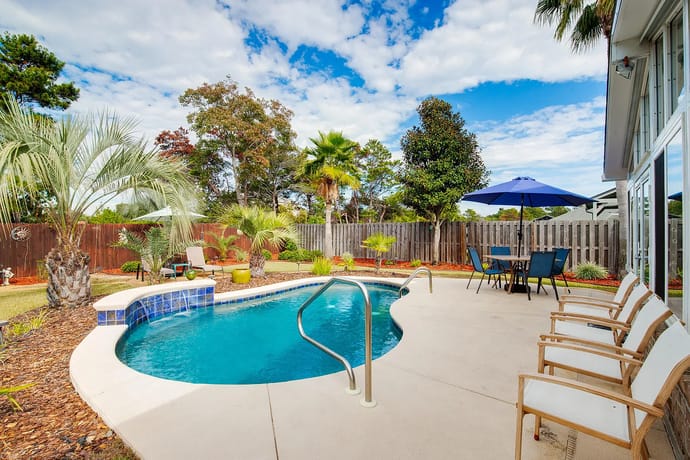
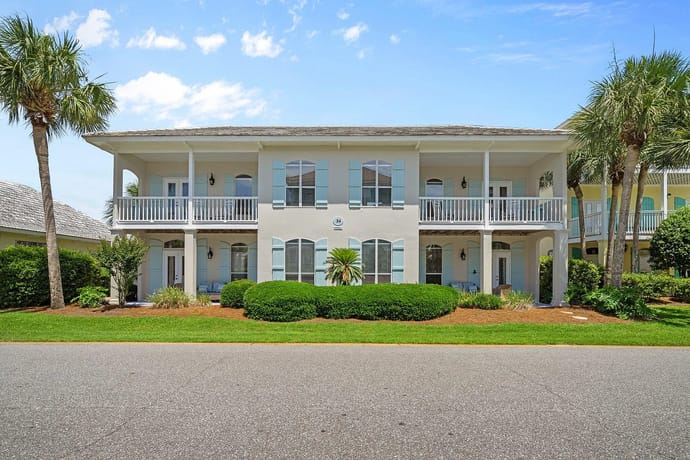
Our Miramar Beach property has 4 bedrooms, a private pool, and starts from $225/night — ideal for couples who want space, privacy, and a neighborhood feel close to the Gulf. Our Destin property is pet-friendly, sleeps up to 12, and starts from $110/night — excellent for extended stays with visiting family or for larger groups testing the Emerald Coast retirement lifestyle together.